Trump Predicts Major Deal Coming
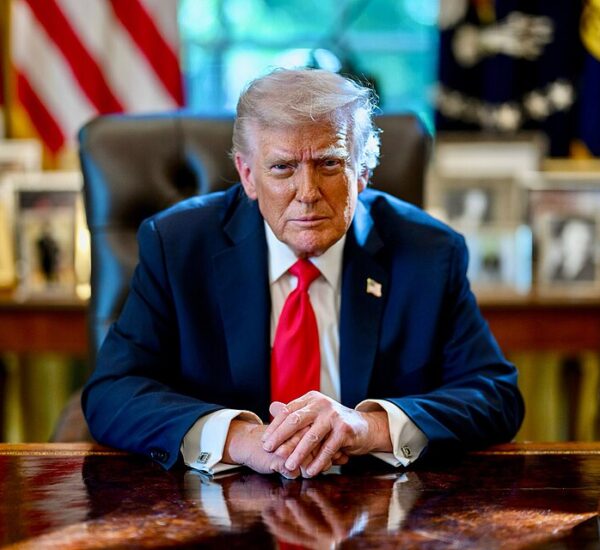
President Donald Trump said Saturday that he believes the United States and Cuba will eventually reach an agreement, while signaling that American military action may not be necessary.
Speaking with reporters at the White House before traveling to Tennessee, Trump expressed confidence that negotiations could produce a breakthrough between Washington and Havana.
“I would say that Cuba and us will make a deal. I don’t think we’ll need the military,” Trump said.
His remarks come as the Trump administration continues applying economic and political pressure on Cuba while calling for major changes on the communist-controlled island.
Trump Says U.S. Wants to Help Cuba
Trump also said his administration wants to improve conditions for the Cuban people and create greater opportunities for Americans.
“We want to help Cuba,” Trump said.
The president added that he wants to “open Cuba up to our people.”
The comments indicate that the White House may see negotiations as one possible path forward, even as Washington maintains a tougher posture toward Havana.
Trump has repeatedly criticized Cuba’s government and has made opposition to communist governments in the Western Hemisphere a major part of his foreign-policy agenda.
Cuba Struggles With Fuel Shortages and Blackouts
Cuba is facing serious economic and energy problems, including fuel shortages and widespread power outages.
Aging infrastructure has contributed to the crisis, while U.S. restrictions affecting oil supplies have placed additional pressure on the Cuban economy.
The worsening energy situation has affected transportation, businesses and daily life across the island.
Cuban officials have blamed U.S. sanctions and trade restrictions for many of the country’s economic problems.
American officials, meanwhile, have repeatedly pointed to Cuba’s economic system and government policies as major causes of the island’s long-running financial difficulties.
Trump Delivers Strong Message at United Nations
Trump’s latest comments came several days after he delivered a forceful message about Cuba during his September 22 address to the United Nations General Assembly.
During the speech, Trump called Cuba a failed state and said that “freedom will be coming” to the island.
Members of the Cuban delegation walked out during his remarks.
Trump also said his administration was applying intense pressure on Havana and reiterated his opposition to communist governments in the Western Hemisphere.
His comments reflected a significant escalation in rhetoric toward Cuba, even as his latest remarks suggest that diplomacy remains possible.
Cuba Says It Remains Open to Talks
Cuban Foreign Minister Bruno Rodríguez also indicated Saturday that Havana remains willing to speak with the United States.
Rodríguez said Cuba is open to dialogue with Washington and would also consider commercial and business relationships with American companies.
At the same time, he strongly criticized the longstanding U.S. economic embargo against Cuba.
Rodríguez did not directly respond to Trump’s prediction that the two countries would eventually reach an agreement.
Still, statements from both governments suggest that communication between Washington and Havana has not been completely ruled out.
U.S. Embargo Has Lasted More Than 60 Years
The United States has maintained broad economic restrictions on Cuba for more than six decades.
Relations between the two countries have changed repeatedly depending on the administration in Washington, but disputes over Cuba’s political system, human rights record, economic policies and alliances have remained unresolved.
The Trump administration has taken a tougher approach toward Havana, increasing economic and diplomatic pressure while calling for political change.
That approach is part of a broader U.S. strategy toward governments in the Western Hemisphere that the administration views as hostile to American interests.
Could Trump Reach a Deal With Cuba?
Trump’s latest remarks raise the possibility that negotiations could eventually play a larger role in U.S.-Cuba relations.
For decades, Cuba has remained one of America’s most complicated foreign-policy challenges.
Washington and Havana continue to disagree over sanctions, political reform, trade, sovereignty and the future of Cuba’s government.
However, Trump’s statement that military action may not be necessary suggests that the administration believes an agreement could still be reached through other means.
Cuban officials are also publicly saying they remain open to discussions.
Whether those statements eventually lead to formal negotiations remains uncertain.
For now, both governments appear to be leaving the door open to diplomacy while the United States continues applying pressure on Havana.
What Happens Next?
The key question will be whether Washington and Havana move beyond public statements and begin substantive negotiations.
Any potential agreement could involve sanctions, trade, energy supplies, diplomatic relations or other long-running disputes between the two countries.
Trump has not yet outlined what specific terms he would seek from Cuba.
But his prediction that the two sides will eventually reach an agreement adds a new dimension to one of the longest-running disputes in American foreign policy.