Judge Orders Mamdani To Release What?
A Manhattan judge has ordered New York City officials to turn over communications with the Rent Guidelines Board, giving landlords new access to records they say could shed light on how Mayor Zohran Mamdani’s historic rent freeze was approved.
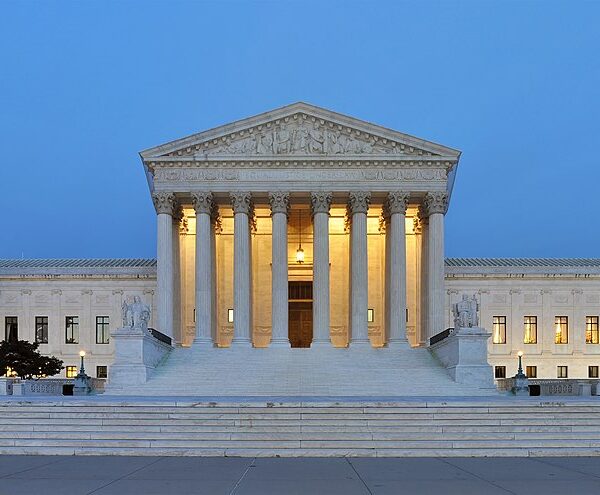
New York State Supreme Court Justice Brendan Lantry authorized limited discovery in the lawsuit challenging the freeze, requiring City Hall to produce written communications between the mayor’s administration and the Rent Guidelines Board covering the period from January 1 through June 26, 2026.
The ruling does not establish that Mamdani or his administration improperly influenced the board. Instead, it allows landlords to seek evidence relevant to their claim that the supposedly independent panel reached a predetermined result.
Judge Questions Mamdani’s Rent Freeze “Guarantee”
The legal fight centers in part on a major promise Mamdani made before taking office: freezing rents for tenants living in New York City’s rent-stabilized apartments.
In his ruling, Lantry raised questions about how a mayoral candidate could guarantee a specific outcome from an independent board.
“The question naturally arises: How would the Mayor comply with his ‘guarantee’ to the voters to ‘freeze’ the rent unless he, or his staff, communicated with the Board to ensure that the Board refrained from imposing any rental increase?” Lantry wrote.
The judge called discovery in this type of proceeding rare, but said the circumstances surrounding the case justified a limited examination of communications between City Hall and the board.
What Communications Must New York City Turn Over?
The order requires the city to produce written communications involving the mayor’s office and the Rent Guidelines Board during the period leading up to the June vote.
However, the discovery order is narrower than what the landlords originally sought.
Internal communications solely between Mamdani and members of his staff are excluded, as are internal communications among Rent Guidelines Board members and their staff.
The records that are turned over could become important evidence as the court considers whether the board followed a lawful and independent decision-making process.
Historic NYC Rent Freeze Affects About 1 Million Apartments
The lawsuit stems from the Rent Guidelines Board’s June 25 decision to approve a 0% rent adjustment for both one-year and two-year leases.
The decision covers approximately 1 million rent-stabilized apartments across New York City.
The new guidelines apply to qualifying leases beginning between October 1, 2026, and September 30, 2027.
The vote marked the first time in the board’s history that rents were frozen simultaneously for both one-year and two-year leases.
Mamdani had made a rent freeze a centerpiece of his affordability agenda before taking office.
He appointed six members of the nine-member Rent Guidelines Board in February, giving his appointees a majority of the panel.
Landlords Say Rent Freeze Process Was Predetermined
A group of landlords filed suit in July seeking to invalidate the board’s decision.
Their lawsuit alleges that the board failed to independently weigh the financial pressures facing property owners and instead worked toward an outcome favored by Mamdani.
Attorney Randy Mastro, who represents the landlords, has argued that the newly ordered communications could support the plaintiffs’ contention that the rent freeze process had a “predetermined outcome.”
Those allegations have not been proven in court.
The landlords are asking the judge to invalidate the freeze and require the Rent Guidelines Board to reconsider its decision.
Property Owners Point to Rising Building Costs
Property owners have argued throughout the rent-setting process that a 0% increase could place additional pressure on buildings already facing higher expenses.
According to the Rent Guidelines Board’s 2026 Price Index of Operating Costs, the cost of operating buildings containing rent-stabilized apartments increased by 5.3%.
Landlords and property-owner groups have pointed to expenses including insurance, maintenance, utilities, labor and property taxes as evidence that operating rent-stabilized housing has become more expensive.
Some small property owners have warned that freezing rents while operating expenses continue to climb could make it harder to maintain older buildings.
That argument has become one of the central issues in the legal and policy fight surrounding the freeze.
City Says Tenants Cannot Absorb More Rent Increases
City officials and defenders of the freeze have emphasized a different concern: affordability for tenants.
They argue that many New Yorkers are already struggling with the cost of housing and cannot easily absorb another rent increase.
The city and the Rent Guidelines Board have defended the 0% adjustment, arguing that the decision took into account tenant affordability as well as the financial condition of property owners.
Supporters of the policy say the freeze provides needed relief to households facing years of rising housing and living costs.
That creates a clear divide at the heart of the case: tenants say they need protection from higher rents, while owners say buildings cannot operate indefinitely without revenues keeping pace with expenses.
Rent Guidelines Board’s Independence Under Scrutiny
The legal challenge also raises a broader question about the independence of the Rent Guidelines Board.
The board is responsible for setting annual rent adjustments for New York City’s rent-stabilized housing stock.
Although its members are appointed by the mayor, the panel is expected to review economic data, operating expenses, tenant conditions, testimony and other information before deciding whether rents should rise, remain unchanged or decline.
Critics of the 2026 process argue that Mamdani’s public promise to freeze rents created pressure on the board to deliver a specific result.
The city disputes the claim that the board improperly surrendered its independence.
The newly ordered communications could provide additional evidence about what discussions took place between City Hall and board officials before the final vote.
Judge Has Not Struck Down the Rent Freeze
The discovery ruling does not overturn the rent freeze.
It also does not mean the court has accepted the landlords’ allegations.
The judge has not yet ruled on the central question of whether the Rent Guidelines Board acted unlawfully, arbitrarily or improperly when approving the 0% adjustment.
For now, the freeze remains scheduled to take effect October 1, 2026.
That means the legal battle could become increasingly important as the effective date approaches.
What Happens Next in the Mamdani Rent Freeze Lawsuit?
City officials must now produce the communications covered by the court’s order.
Attorneys for the landlords will likely examine those records for evidence supporting their argument that City Hall influenced the board’s decision.
The city, meanwhile, can continue defending the process and arguing that the board independently reviewed the economic evidence before reaching its conclusion.
Ultimately, the landlords want the court to throw out the rent freeze and require the Rent Guidelines Board to revisit its decision.
Until the judge rules on those claims, the 0% adjustment remains in place and is scheduled to apply to eligible leases beginning October 1.
The case now puts two major questions before the court: whether the board properly exercised its authority and whether political promises made by the mayor affected a process that is supposed to include independent consideration of both tenant and property-owner concerns.
With approximately 1 million rent-stabilized apartments affected, the outcome could have major financial consequences for tenants, landlords and New York City’s housing market.