Trump Major Plan Moves Forward
The Trump administration is moving forward with preliminary work on an ambitious redevelopment of the historic East Potomac Golf Links in Washington, D.C., setting up a growing debate over federal spending, public access and the future of one of the capital’s best-known public golf facilities.
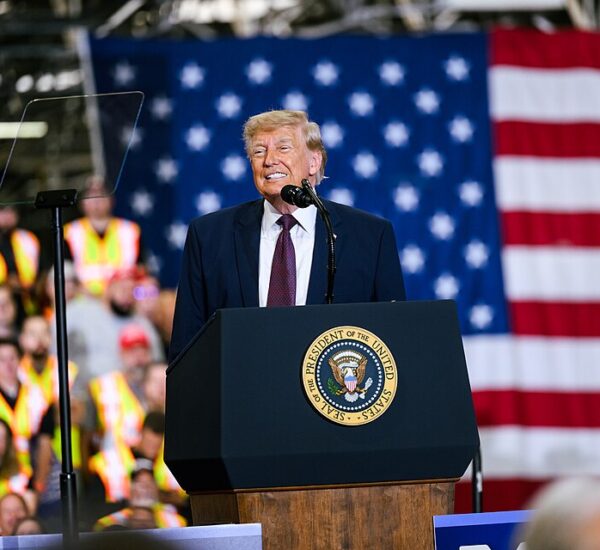
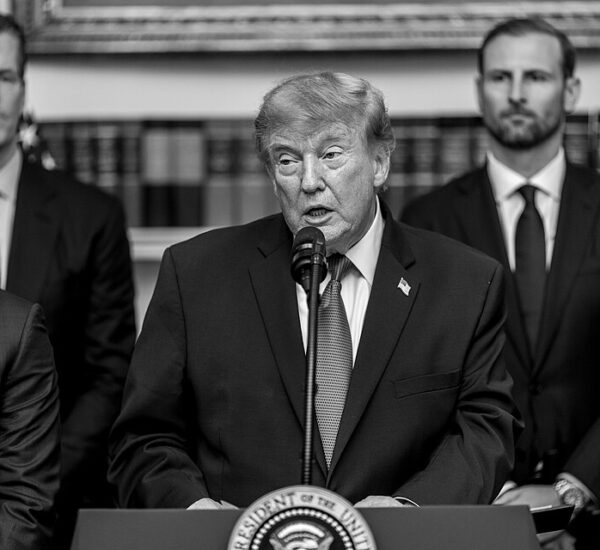
President Donald Trump has said he wants the course transformed into a world-class golf destination capable of hosting major professional tournaments.
The proposal has drawn scrutiny from Democratic lawmakers, local residents and preservation advocates who want more information about the project’s cost, design and long-term effect on ordinary golfers.
At the same time, the administration says the final design has not yet been completed and cautions that preliminary federal contracting figures should not be treated as the final price tag.
Federal Contract Starts Preliminary Work
Democrats on the House Natural Resources Committee said the National Park Service recently awarded a $389,355 contract to Vanasse Hangen Brustlin Inc., an engineering and planning company with operations in Washington and elsewhere.
The contract covers environmental reviews and historic-preservation compliance associated with the proposed redevelopment.
Those reviews are an important step because East Potomac sits on federally managed parkland with significant historical value.
Rep. Jared Huffman of California, the ranking Democrat on the committee, criticized the administration for moving ahead without greater congressional and public notice.
Huffman accused the administration of pursuing a transformation that could ultimately make the property less accessible to ordinary Americans.
Those statements reflect the position of Democratic lawmakers challenging the project. The administration has not announced plans to convert East Potomac into a private club.
Potential Construction Contract Could Reach $49 Million
The preliminary engineering contract is only one part of the developing project.
Federal procurement information cited by lawmakers shows that the National Park Service has also posted an advance notice for a potential construction contract valued at up to $49 million.
A solicitation is projected for January 31, 2027.
That does not necessarily mean taxpayers will ultimately spend $49 million.
An Interior Department spokesperson said the complete course design has not yet been finalized and cautioned against treating an advance contracting notice as a definitive construction estimate.
The eventual cost could depend on the final design, construction requirements, environmental conditions and other factors that have not yet been resolved.
Trump Envisions Major Championship Golf in Washington
Trump has spoken openly about wanting East Potomac to become one of the country’s premier golf destinations.
He has said the renovated course could eventually be capable of hosting events such as the U.S. Open, PGA Championship or Ryder Cup.
Whether those tournaments would actually come to East Potomac would depend on decisions by the organizations that control those events, along with course specifications, infrastructure and other logistical requirements.
The administration previously announced that Fazio Golf Design would work on renovation plans.
For Trump, the redevelopment fits into a broader effort to reshape and upgrade prominent areas of Washington.
Historic Course Has Served the Public for Generations
East Potomac Golf Links has been part of Washington life for more than a century.
Congress designated the reclaimed Potomac Flats as parkland in 1897 for public recreation and enjoyment.
Golf facilities began developing there in the late 1910s, and the site later became one of the capital’s best-known public courses.
Today, East Potomac is one of three historic National Park Service golf facilities in Washington, along with Langston Golf Course and Rock Creek Golf Course.
The National Park Service has previously emphasized maintaining affordable golf opportunities at the city’s federally managed courses.
That history is one reason the proposed redevelopment is receiving so much attention.
Public Access Could Become the Central Issue
For many golfers and nearby residents, one question may matter more than almost any other:
Will East Potomac remain affordable and widely accessible after the renovation?
Some critics fear that transforming the property into a championship-caliber venue could lead to higher greens fees, increased restrictions or reduced availability for recreational golfers.
No final pricing structure has been announced.
The administration has also not released a final operating plan explaining how public access would work once the project is completed.
Until those details are available, claims that the course will become either fully private or significantly more expensive remain speculative.
Still, affordability is likely to remain a major point of debate because East Potomac has historically operated as a public recreation facility rather than an exclusive private golf club.
Democratic Lawmakers Seek More Records
Huffman and several other Democratic lawmakers have asked the Interior Department and National Park Service to turn over documents connected with the redevelopment.
They are seeking information about the proposed design, expected costs, construction plans, funding sources and communications surrounding the project.
Their argument is that major changes to federally owned public parkland deserve substantial congressional and public scrutiny.
The administration has defended the planning process while emphasizing that many important details remain unsettled.
That disagreement is likely to continue as the project moves closer to the construction phase.
Environmental and Historic Reviews Could Shape the Final Plan
East Potomac’s location and history mean the redevelopment must clear several regulatory hurdles.
Federal projects affecting historic properties can require preservation reviews, while major construction may also trigger environmental analysis.
Those requirements could influence everything from the course layout to drainage, landscaping, construction methods and long-term maintenance.
The engineering contract already awarded by the National Park Service appears designed in part to address those obligations before major construction begins.
Why the Project Matters Beyond Golf
Although this controversy centers on a golf course, the larger questions extend well beyond the sport.
The debate touches on how federal parkland should be managed, how much money should be invested in major public recreation projects, and how the government should balance high-profile development with affordable access for local residents.
Supporters of an extensive renovation may see an opportunity to modernize an aging course, improve facilities and potentially bring major sporting events to Washington.
Critics are focused on maintaining public access, controlling costs and preserving the character of a property created for public recreation.
Those competing priorities are likely to shape the discussion as more details emerge.
What Happens Next?
Several important details are still unknown.
The administration has not released a finalized course design.
There is no confirmed total construction cost.
There is no announced post-renovation greens-fee schedule.
And there is no guarantee that any major professional tournament will eventually be held there.
For now, the project remains in the planning and contracting stages.
What is certain is that East Potomac’s redevelopment is developing into a closely watched fight involving public lands, federal spending, recreation and the future of a historic Washington landmark.
As construction plans become clearer, taxpayers and golfers alike will likely be watching one issue especially closely: whether a more ambitious East Potomac can still remain the accessible public golf course Washington residents have known for generations.