Iran Shocking Taunts Trump
Iranian President Masoud Pezeshkian delivered a defiant message to the United States on Saturday, declaring that Iran “won’t surrender” as the conflict involving Iran, the United States and Israel continues.
Pezeshkian accused Washington of targeting civilian infrastructure and putting pressure on ordinary Iranians, allegations that U.S. and Israeli officials dispute. Washington and Israel have said their military operations are focused on Iranian military, nuclear and other strategic targets.
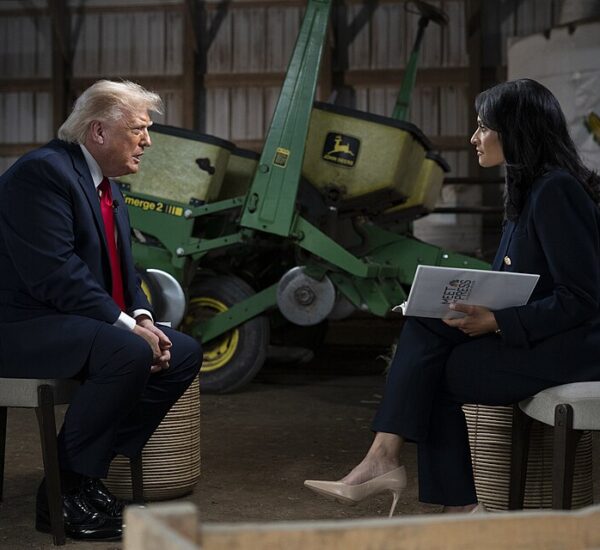
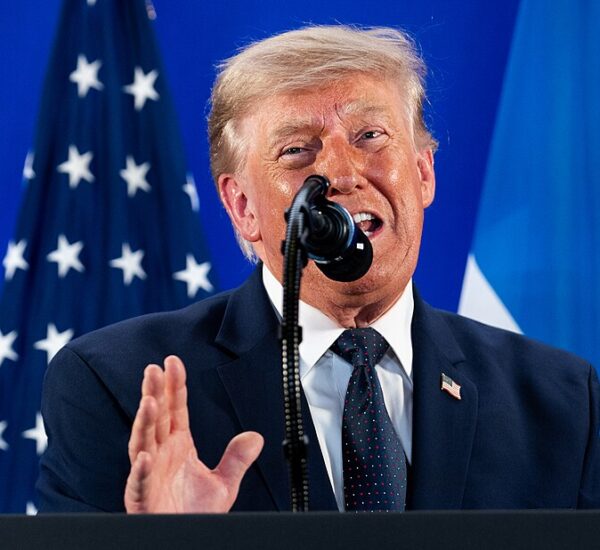
The Iranian president’s remarks come as President Donald Trump argues that mounting military and economic pressure is making it increasingly difficult for Tehran to continue the conflict.
The competing statements highlight how far apart Washington and Tehran remain as international leaders push for diplomacy and concerns grow about the economic consequences of continued instability in the Middle East.
Iranian President Says Iran Will Not Give In
Pezeshkian issued his latest statement on social media Saturday, accusing the United States of attempting to force Iran into submission.
“If Americans are warriors, let them face our valiant military forces,” Pezeshkian wrote.
He questioned why civilian infrastructure and essential supplies were being affected by the conflict before declaring that the Iranian people “can’t be bullied into submission.”
“Iran won’t surrender,” he added.
The statement reflects Tehran’s position and allegations regarding the conflict. American and Israeli officials have maintained that their operations are directed against military and strategic targets rather than civilians.
Pezeshkian Delivers Defiant Message at BRICS Summit
Pezeshkian made similar comments Friday after arriving in New Delhi for the BRICS summit.
Speaking to a gathering of religious leaders, intellectuals and business representatives, Pezeshkian claimed that Iran had successfully resisted both the United States and Israel.
“Since we are seeking truth and justice, we will not yield in front of bullying arrogance,” he said.
His appearance at the BRICS gathering gives Tehran an opportunity to make its case before countries that could play an important economic or diplomatic role as the conflict continues.
The war and its broader economic consequences have become major topics surrounding the summit.
Trump Says Iran Is Under Growing Pressure
President Donald Trump has presented a sharply different picture of Iran’s ability to continue fighting.
Speaking to reporters Wednesday, Trump predicted that the conflict could end shortly after the November 3 U.S. midterm elections.
“I think war is going to end immediately after the election because they can’t hold out any longer,” Trump said.
Trump also accused Iran of attempting to affect the outcome of the U.S. elections.
His comments suggest the administration believes continued pressure could eventually force Tehran toward an agreement or make sustaining the conflict increasingly difficult.
Pezeshkian’s public declaration that Iran will not surrender directly challenges that assessment.
Strait of Hormuz Remains at Center of Crisis
Beyond the military confrontation itself, one of the most important issues is the Strait of Hormuz.
The narrow waterway is a critical route for global energy shipments, making disruptions there important not only for the Middle East but also for consumers and businesses around the world.
Iran has kept the waterway largely closed since U.S.-Israeli attacks on the country began in February, disrupting energy shipments and adding uncertainty to global markets.
Tehran and Oman have reached an understanding involving shipping arrangements in the strait. Iranian officials, however, said Saturday that the waterway would not completely reopen unless the United States meets Iran’s conditions.
That makes control and accessibility of the Strait of Hormuz an important bargaining point in any future negotiations.
Why the Strait of Hormuz Matters to Americans
For American households, developments thousands of miles away can have consequences closer to home.
A prolonged disruption of a major global energy route can put upward pressure on oil and transportation costs. Higher energy expenses can eventually affect everything from gasoline and airline travel to shipping and the cost of moving everyday goods.
That is one reason developments surrounding Iran and the Strait of Hormuz are being closely watched beyond Washington’s foreign-policy circles.
Americans already concerned about household expenses have another reason to pay attention to whether the conflict escalates or moves toward a diplomatic resolution.
India Pushes for Diplomacy
Pezeshkian also met Indian Prime Minister Narendra Modi ahead of the BRICS summit.
The two leaders discussed the conflict along with economic and strategic relations between India and Iran.
India occupies an important diplomatic position because it has longstanding relations with Iran while also maintaining significant partnerships with the United States and Israel.
Modi reiterated India’s support for diplomacy and dialogue as a way to end the fighting.
For Tehran, the BRICS summit provides an opportunity to seek diplomatic support and strengthen relationships with countries outside the Western alliance.
Trump and Iran Remain Far Apart
The statements from Trump and Pezeshkian reveal fundamentally different assessments of where the conflict stands.
Trump argues that Iran is under mounting pressure and may not be capable of sustaining the confrontation indefinitely.
Pezeshkian insists that Iran will continue resisting and will not surrender to American demands.
Whether either side is ultimately willing to compromise remains uncertain.
Much could depend on negotiations, conditions surrounding the Strait of Hormuz and whether international governments can help create a diplomatic path acceptable to both Washington and Tehran.
Until then, the conflict will remain important not only for U.S. foreign policy but also for global energy markets and American consumers watching the cost of gasoline, transportation and everyday necessities.