Trump Taking On Food Prices
American families have spent years watching grocery bills take a bigger bite out of household budgets. Now, Agriculture Secretary Brooke Rollins says the Trump administration is working to reverse that trend and deliver relief at the supermarket.
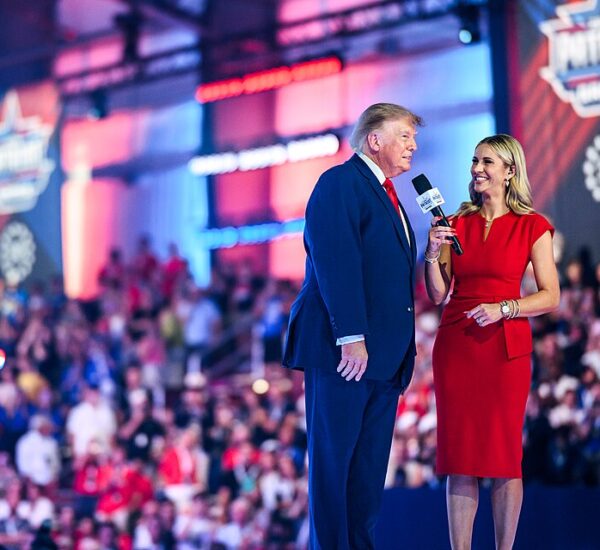
Speaking Wednesday at the Republican midterm convention in Dallas, Rollins acknowledged that food prices remain a major concern for consumers.
She argued that President Donald Trump’s economic agenda—including reduced federal spending, deregulation and tax policies—is helping bring inflation under greater control.
But the latest federal data show that the picture at America’s grocery stores remains mixed, with prices falling in some important categories while others, particularly beef, remain elevated.
Rollins Says Trump Is Focused on Lower Grocery Prices
Rollins placed much of the blame for the sharp rise in food costs in previous years on policies enacted during former President Joe Biden’s administration.
She contended that the current administration has made progress slowing the pace of price increases and said consumers are beginning to see improvements in several areas of the supermarket.
According to Rollins, prices for products including chicken and some dairy items have shown encouraging signs.
Her argument is that reducing government spending and regulation while pursuing lower taxes can help ease inflationary pressure throughout the economy.
For families trying to stretch retirement income, Social Security payments or weekly paychecks, however, the number that matters most is the total at the bottom of the grocery receipt.
USDA Data Show Some Grocery Prices Falling
Recent figures from the U.S. Department of Agriculture provide evidence of declining prices in several food categories.
USDA’s Economic Research Service reported that poultry prices declined 0.5% between June and July 2026. Poultry was also 0.5% cheaper than it had been one year earlier.
Egg prices have experienced an even more dramatic reversal.
Retail egg prices were 25.7% lower in July than they were one year earlier. USDA currently forecasts egg prices will decline substantially for 2026 as a whole.
Milk producers have also experienced lower prices. Farm-level milk prices declined 3.8% between June and July and were 2.4% below their level from July 2025.
Those figures offer signs of relief, although they do not mean everything in the supermarket is becoming cheaper.
Beef Prices Remain a Major Challenge
Beef remains one of the biggest pressure points for American consumers.
USDA says tight cattle supplies have contributed to elevated beef prices. The agency currently forecasts beef and veal prices will increase 9.8% in 2026.
There are, however, some indications that pressures farther up the supply chain may be easing.
Farm-level cattle prices declined 2.6% between June and July, while wholesale beef prices dropped 4.1% during the same period.
Those declines don’t necessarily translate immediately into cheaper hamburger or steak at the local supermarket, but they are important indicators to watch.
Rollins has emphasized that beef remains a valuable source of protein and argued that strong consumer demand has continued despite higher prices.
Trump Administration Moves to Increase Beef Supply
The administration has also looked toward trade policy as one tool for addressing beef costs.
Increasing the supply of lean beef available to American processors could potentially help relieve some of the pressure affecting ground-beef production.
The challenge for policymakers is balancing two priorities: keeping food affordable for consumers while protecting the long-term financial health of America’s cattle producers and ranchers.
That balance becomes particularly important when cattle inventories are tight.
Why America’s Food Supply Is a National Security Issue
Rollins also used her Dallas appearance to make a broader argument about American agriculture.
She said the country’s ability to feed itself should be considered an issue of national security, not simply economics.
America’s farmers and ranchers produce much of the food consumed domestically, and Rollins argued that maintaining that capacity is essential to the nation’s independence.
A country that becomes excessively dependent on foreign nations for critical food supplies can become vulnerable to international conflicts, trade disruptions and supply-chain emergencies.
For that reason, the debate over grocery prices extends beyond what consumers pay for milk, eggs, chicken or ground beef.
It also involves the long-term stability of America’s agricultural system.
Farmers and Ranchers Face Their Own Cost Pressures
Lower supermarket prices may be welcome news for consumers, but policymakers must also consider what farmers and ranchers are paying to operate.
Fuel, equipment, fertilizer, feed, land, labor and financing can all influence the ultimate cost of producing food.
That means reducing food inflation isn’t necessarily as simple as forcing retail prices lower.
A sustainable solution has to allow farmers and ranchers to remain profitable enough to continue producing the food American consumers depend on.
The Trump administration has repeatedly emphasized domestic production as part of its broader economic agenda, and Rollins said the administration intends to make sure American agricultural producers have the resources they need.
Grocery Affordability Could Matter in the 2026 Midterms
The discussion comes at a politically important moment.
Republicans are gathering in Dallas less than two months before the November 3 midterm elections, and affordability remains a significant concern for American voters.
Republicans are using the convention to highlight the Trump administration’s record on taxes, immigration, manufacturing and other economic policies.
Democrats, meanwhile, are criticizing Republicans over the continued cost of living and arguing that many households remain financially strained.
For voters, however, political arguments may ultimately matter less than what happens to everyday expenses.
Gasoline prices, utility bills, health-care costs and groceries are expenses families encounter repeatedly, making them especially visible measures of economic conditions.
Are Grocery Prices Finally Coming Down?
The answer depends heavily on what consumers are buying.
Some food categories are becoming cheaper. Others remain stubbornly expensive.
Chicken and eggs have provided meaningful examples of declining prices, while beef continues to face pressure from limited cattle supplies. Fresh vegetables and several other categories have also remained more expensive than they were a year earlier.
That makes broad claims that either “food prices are falling” or “everything keeps getting more expensive” incomplete.
Different products are moving in different directions.
The bigger question heading into the final months of 2026 is whether falling prices in selected categories eventually become broad enough for families to notice a meaningful difference in their total grocery bills.
For President Trump and his administration, delivering that kind of noticeable relief could become an important test of their economic agenda.
For American families, the test is simpler.
Does the same cart of groceries finally cost less?
That is the number millions of consumers will be watching every time they reach the checkout line.