Newsom needs to get it together!
A new California law signed by Democratic Gov. Gavin Newsom is triggering a growing First Amendment battle, with a Republican state lawmaker now seeking help from President Donald Trump’s Justice Department.
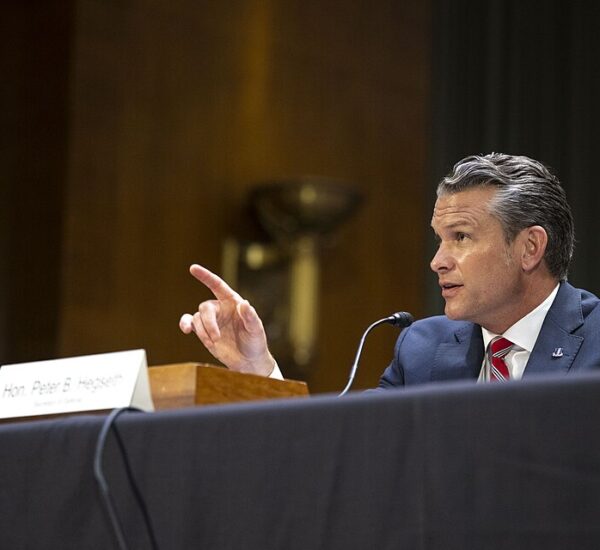
California Assemblyman Carl DeMaio is preparing a legal challenge against Assembly Bill 2624, a controversial measure expanding privacy protections for people who work or volunteer with organizations providing immigration-related services.
Supporters say the law is designed to protect workers from harassment, threats and violence.
Critics, however, warn that its restrictions could have unintended consequences for independent journalists, citizen watchdogs and others investigating organizations that receive taxpayer money.
Now DeMaio wants the federal government involved.
The Republican lawmaker says he has been communicating with the U.S. Department of Justice’s Office for Civil Rights and hopes the Trump administration will intervene in a planned lawsuit challenging the California law.
The developing fight puts Newsom and Trump on opposite sides of yet another major dispute involving California, immigration policy and the limits of state government power.
Newsom Signs Controversial California Law
Newsom signed AB 2624 into law on Aug. 22.
The legislation expands California’s existing Safe at Home program, which allows eligible participants to keep their residential addresses confidential by using a substitute mailing address administered through the state.
Beginning Oct. 1, 2027, qualifying immigration-support service providers, employees and volunteers who face certain threats or harassment because of their work will be eligible for the program.
The law also establishes restrictions involving the online publication of protected participants’ personal information or images under specified circumstances involving threats or intended violence.
Supporters argue those provisions are necessary to protect people who have experienced harassment or intimidation.
Republican opponents see potential First Amendment problems.
DeMaio has become one of the law’s most outspoken critics and has referred to the legislation as the “Stop Nick Shirley Act,” a reference to conservative independent journalist and online personality Nick Shirley.
Republican Warns About Investigating Taxpayer Fraud
DeMaio argues the new law could discourage citizen journalists from investigating suspected fraud, waste or abuse involving taxpayer-funded organizations.
His concern centers on whether journalists recording people associated with protected organizations could potentially face legal consequences depending on how the resulting material is published and the circumstances surrounding it.
Supporters of AB 2624 dispute that interpretation and maintain that ordinary investigative journalism is not what the law targets.
That disagreement could soon move from the political arena into a courtroom.
DeMaio says he is working with a coalition of civil-liberties advocates to challenge the law and that a potential plaintiff has already been identified.
According to the Republican assemblyman, attorneys are now preparing the legal arguments necessary to ask a court to stop the law.
Trump’s Justice Department Asked To Step In
DeMaio also wants assistance from Washington.
He says he has contacted the Justice Department’s Office for Civil Rights about AB 2624 and hopes federal officials will intervene in the expected lawsuit.
DeMaio argues that the law infringes upon First Amendment protections and could have a chilling effect on people attempting to investigate suspected misuse of public money.
The Justice Department has not yet been confirmed as a participant in the expected legal challenge.
Still, federal involvement would significantly raise the stakes.
A dispute that began in Sacramento could quickly develop into another major confrontation between California’s Democratic government and the Trump administration.
California Fraud Concerns Enter The Debate
DeMaio is also connecting the controversy to a broader issue likely to resonate with taxpayers: government fraud and waste.
He claims California has a serious problem involving taxpayer-supported organizations and argues that independent watchdogs should be encouraged to investigate how public money is being spent.
DeMaio compared his concerns to highly publicized fraud controversies involving government-funded programs in Minnesota.
He alleges that some California organizations receiving public funds to provide services to immigrant communities are not delivering the level of services taxpayers have been promised.
The assemblyman has further accused some nonprofit organizations of engaging heavily in political advocacy while receiving government money.
Those are allegations from DeMaio and should not be considered established findings against organizations generally covered by the new law.
But the controversy raises a broader question that could matter to millions of taxpayers:
How much transparency should be required when private organizations receive public money?
For many Californians, particularly retirees and families dealing with high living costs, the answer could have real financial significance.
Every dollar lost through fraud or government waste is a dollar that cannot be used for roads, public safety, education, infrastructure or other basic government responsibilities.
Newsom’s Office Pushes Back
Newsom’s office strongly rejects the Republican interpretation of the law.
Spokesperson Diana Crofts-Pelayo has said AB 2624 has nothing to do with Nick Shirley and disputed claims that it is intended to prevent journalists from uncovering fraud.
The governor’s side maintains that the legislation is about protecting people from threats and harassment rather than concealing wrongdoing from the public.
That distinction is important.
The law does not simply establish a blanket prohibition against photographing immigration-service workers or investigating organizations.
Its provisions concerning the publication of protected personal information and images include specific requirements related to intent, threats and potential violence.
Nevertheless, critics argue that even laws aimed at legitimate safety concerns can create constitutional problems if their language discourages lawful reporting or public scrutiny.
That question could become central to the expected court challenge.
First Amendment Fight Could Be Coming
The controversy presents two competing concerns.
California Democrats argue that workers and volunteers should not have to fear having their home addresses exposed or facing threats because they provide immigration-related services.
Republican critics argue that protecting individuals from genuine threats must not become a tool for restricting journalists, taxpayers or citizen watchdogs from investigating organizations supported by public money.
Both privacy and freedom of the press have significant legal protections.
The question is whether California successfully balanced the two.
DeMaio believes it did not.
He says his legal team intends to challenge the law on constitutional grounds and hopes the Trump administration will join the effort.
Newsom Faces Growing Pressure
The dispute comes at a politically sensitive moment for Newsom as his national profile continues to attract attention.
DeMaio has accused the governor and California’s Democratic legislative majority of failing to adequately confront waste and fraud while making it more difficult for independent investigators to scrutinize taxpayer-funded organizations.
Newsom’s administration rejects that characterization.
But regardless of which side ultimately prevails, the controversy is likely to keep government transparency, immigration spending and First Amendment protections in the spotlight.
And those subjects extend far beyond California politics.
Taxpayers across the country have increasingly demanded greater accountability over how government money is distributed and whether agencies have sufficient safeguards to prevent fraud.
Could Trump And Newsom Be Headed For Another Showdown?
If the Justice Department decides to intervene, the fight could become considerably bigger.
Trump and Newsom have already represented dramatically different approaches to immigration and the relationship between federal and state authority.
AB 2624 could add freedom of speech and freedom of the press to that growing list of disputes.
For DeMaio, the principle is straightforward: Californians should remain free to investigate how their tax dollars are being spent.
For Newsom and supporters of the legislation, the state also has a responsibility to protect workers from credible threats, harassment and violence.
A federal court could eventually be asked to decide whether California went too far in pursuing that goal.
Until then, one thing is certain: a law intended to provide additional privacy protections has instead opened another major political battle in California — and opponents are now looking to President Trump’s Justice Department for help.