Democrats Claim To Be ‘Hot Again’
A Democratic strategist left a CNN panel laughing and visibly surprised after declaring that Democrats are “hot again” during a discussion about the party’s changing political strategy and efforts to attract voters through social media.
Yemisi Egbewole made the memorable remark Saturday on CNN’s Table for Five, where host Abby Phillip and her guests discussed how Democratic politicians are increasingly emphasizing personality, appearance and entertainment as they compete for attention online.
The conversation quickly turned into a broader debate about whether Democrats are attempting to learn from President Donald Trump’s ability to dominate the political conversation and reach voters outside traditional news outlets.
CNN Panel Discusses Democrats’ New Image
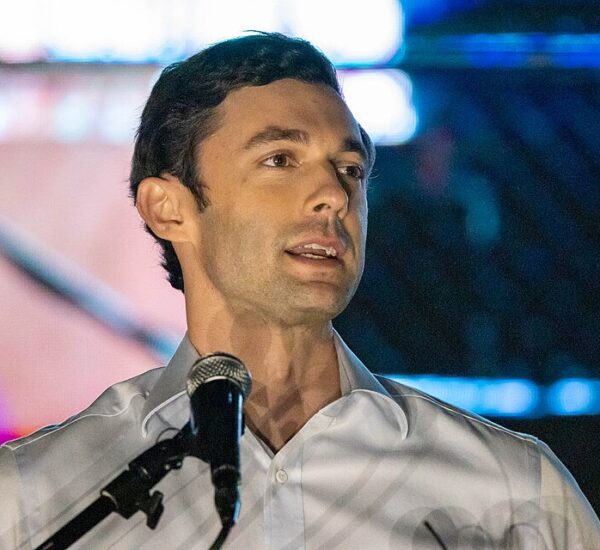
The panel was examining reports that younger Democratic politicians are increasingly embracing social media strategies built around eye-catching photographs, short videos, personal branding and even physical appearance.
Phillip noted that some politicians who could have higher political ambitions have changed their appearance, including growing facial hair that could give them a more traditionally masculine image.
She questioned whether Democrats were deliberately trying to project more youth and energy to voters.
Egbewole responded with a line that immediately changed the tone of the conversation.
“Yeah, Dems are hot again. They’re coming out of the closet as hot people and I’m so excited,” she said.
Phillip appeared stunned before joining other panelists in laughter.
Conservative commentator Pete Seat also jumped into the exchange, sarcastically suggesting that attractive candidates could apparently make policy less important.
“Forget the policies! They’re nice to look at!” Seat joked.
Strategist Says Democrats Are Learning From Trump
Egbewole quickly explained that her larger argument went beyond physical appearance.
She said Democrats are beginning to recognize something Trump has demonstrated throughout his political career: entertainment can be an extremely effective tool for capturing voters’ attention.
“I think they’re learning from Trump. Entertainment really sells,” Egbewole said.
Commentator Geoff Duncan responded with another joke, saying he would not describe Trump himself as “hot.”
Egbewole clarified that she was talking about political presentation rather than simply physical attractiveness.
Her argument was that Trump has successfully blended politics, entertainment and personality in ways that traditional politicians have often struggled to match.
Trump’s Podcast Strategy Gets Attention
Egbewole specifically pointed to Trump’s ability to connect with younger white men through podcasts and other nontraditional media.
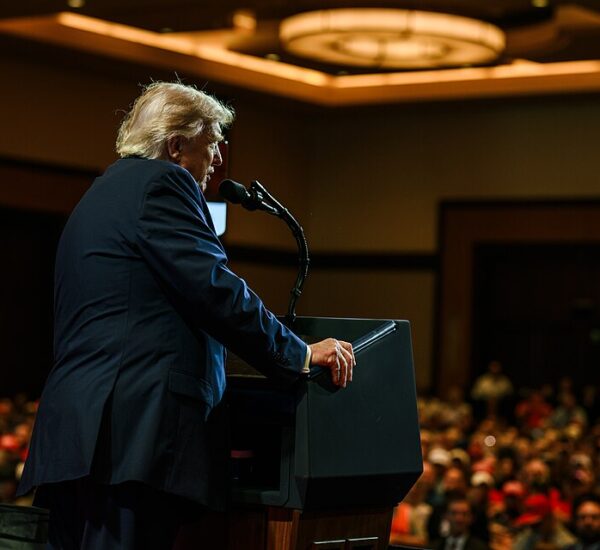
Trump has frequently used long-form interviews, podcasts and entertainment-oriented appearances to communicate with audiences who may not regularly watch conventional political programming.
According to Egbewole, Democrats have recognized that success and are beginning to reconsider how they communicate with voters.
She suggested the party needs to “loosen up” and become more comfortable with media formats that are entertaining first and political second.
That observation reflects a major change in American campaigning.
For decades, presidential candidates and other national politicians relied heavily on television interviews, newspaper coverage, campaign rallies and formal policy speeches. Today, politicians must compete with countless other sources of entertainment for Americans’ attention.
Democrats Face the ‘Attention Economy’
Egbewole described modern politics as part of an “attention economy.”
Her point was simple: candidates can have detailed policy proposals, but those ideas will accomplish little politically if voters never stop long enough to hear them.
She argued that many Americans are no longer willing to sit through hours of congressional proceedings or lengthy political programming.
Instead, candidates may have only 15 or 20 seconds on social media to capture someone’s interest.
That creates a very different political environment from the one many Americans remember.
A memorable podcast clip, viral video or social media post can potentially reach millions of voters before a traditional campaign speech gains significant attention.
For Democrats, Egbewole suggested adapting to that reality is becoming a political necessity.
Can Democrats Copy Trump’s Media Success?
The discussion also highlighted an uncomfortable reality for Democrats: Trump has spent years mastering the type of personality-driven politics they are now discussing.
Whether supporters approve of his style or not, Trump has repeatedly demonstrated an ability to generate enormous media attention.
He has also bypassed traditional political gatekeepers by communicating directly with supporters and appearing on platforms capable of reaching audiences that conventional political television may miss.
Egbewole indicated Democrats have learned from that approach, particularly when examining Trump’s appeal among younger male voters.
The question is whether Democrats can successfully duplicate parts of that strategy without appearing artificial.
Voters can often recognize when politicians are attempting to manufacture viral moments, making authenticity especially important when candidates venture into podcasts and social media.
Policy Versus Personality
Seat’s sarcastic response also raised a larger issue for Democrats.
Personality and presentation may help a politician attract attention, but voters ultimately have concerns that extend far beyond social media.
Americans continue to make political decisions based on issues affecting their families and communities, including the economy, inflation, taxes, immigration, public safety, health care and national security.
For voters age 50 and older in particular, a candidate’s governing record, experience and policy positions can remain important considerations.
That means an entertaining online presence may get a candidate noticed, but it cannot necessarily replace a persuasive agenda.
Egbewole’s argument, however, was that politicians first need an audience before they can sell that agenda.
“If you don’t get elected, who even cares about the policy?” she said while arguing that Democrats need to become more effective at engaging voters.
American Politics Is Changing
The CNN exchange offered a revealing glimpse into how political campaigns are evolving.
Candidates are no longer competing only on debate stages, television networks and campaign trails. They are competing on smartphones, podcasts and social media feeds where politics sits alongside sports, entertainment and countless other distractions.
Trump recognized the power of that environment early and built much of his political brand around generating attention and maintaining a direct connection with supporters.
Now some Democrats appear increasingly interested in adopting elements of that strategy.
Whether a new image and more entertaining candidates will translate into votes remains to be seen.
But Egbewole’s unexpectedly candid “Dems are hot again” declaration revealed something more significant than the laughter it generated on CNN: Democratic strategists are openly thinking about how to compete in a political world where capturing attention can be almost as important as delivering the message itself.