Here’s what Trump just posted.
President Donald Trump is once again putting the Strait of Hormuz in the national spotlight after sharing a striking new image that portrayed the strategically important waterway as “new US territory.”
Trump posted the revised map Tuesday on Truth Social as tensions between the United States and Iran continue to dominate international affairs and energy markets.
The president followed the image with additional statements saying the waterway had been cleared of Iranian mines and indicating that no additional negotiations with Tehran were currently scheduled.
The development adds another chapter to the months-long confrontation with Iran while raising major questions about the future of one of the most economically important shipping routes in the world.
For Americans watching gasoline prices, inflation and household expenses, what happens next in the Strait of Hormuz could have consequences far beyond the Middle East.
Trump Raises Prospect of U.S. Control of Strait of Hormuz
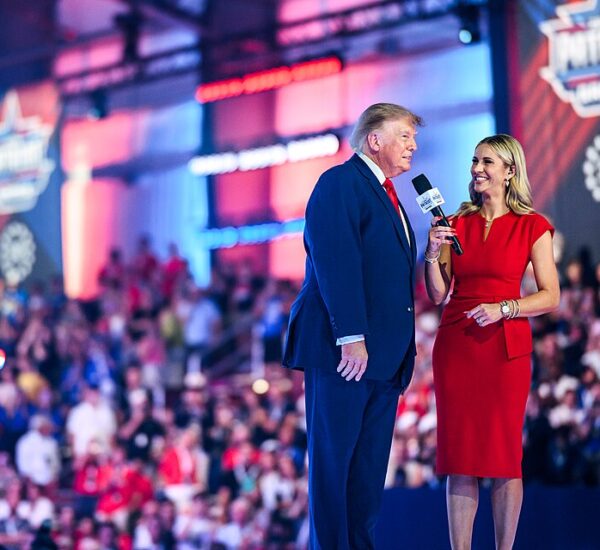
Trump had already discussed the possibility of a permanent American presence in the Strait of Hormuz during a political event on Long Island on Friday.
Speaking while supporting Republican candidates in New York’s gubernatorial and congressional races, Trump suggested that after the conflict with Iran is concluded, he could move toward declaring the strategic waterway a territory of the United States.
It was an extraordinary proposal involving a passage that has long played a critical role in international commerce and global energy supplies.
Trump also defended his broader policy toward Iran, arguing that preventing Tehran from obtaining a nuclear weapon justified Americans potentially paying somewhat more for gasoline in the short term.
The president maintained that he stood behind his decision and believed confronting Iran was necessary to protect U.S. interests.
That argument could resonate with Americans who prioritize national security, although higher energy costs remain an important concern for families, retirees and people living on fixed incomes.
LOOK:
JUST IN: 🇺🇸🇮🇷 President Trump shares map showing Strait of Hormuz as a new US territory. pic.twitter.com/2WIcnFQeGD
— BRICS News (@BRICSinfo) August 18, 2026
Why the Strait of Hormuz Is So Important
The Strait of Hormuz may seem distant from everyday life in the United States, but developments there can have a direct impact on American consumers.
The narrow waterway connects the Persian Gulf with the Gulf of Oman and serves as a crucial route for international oil and natural gas shipments.
When military conflict threatens shipping through the region, concerns about reduced energy supplies can send oil prices higher.
Those increases can eventually reach American households through gasoline prices, transportation expenses and higher costs for goods that must be shipped across the country.
That is one reason Washington’s battle with Tehran has attracted attention well beyond traditional foreign-policy circles.
For millions of Americans concerned about the cost of living, the security of global energy routes can become a pocketbook issue surprisingly quickly.
Cease-Fire Agreement Falls Apart
The latest confrontation comes after an earlier cease-fire arrangement collapsed last month.
Iran subsequently resumed attacks involving the Strait of Hormuz after vessels began traveling along a U.S.-approved route near Oman, according to reports.
Since then, Trump has repeatedly raised the possibility of establishing American control over the waterway once the conflict with Iran comes to an end.
The war is now in its sixth month, and the future status and security of the Strait of Hormuz could become one of the most consequential issues emerging from the conflict.
Trump’s latest social media post makes clear that the president is continuing to publicly press the issue.
Iran Pushes Back Against Trump
Iranian officials have strongly rejected Trump’s suggestion that the United States could take control of the Strait of Hormuz.
Iranian Deputy Foreign Minister Kazem Gharibabadi responded by dismissing Trump’s position and maintaining that Iran would determine when the waterway could be opened or closed.
The response illustrates the enormous disagreement between Washington and Tehran over who should control access to the strategic passage.
It also raises questions about whether the strait could remain a source of tension even if the broader military conflict eventually reaches a conclusion.
For the Trump administration, keeping the waterway open would protect an important international trade route.
For Iran, control and influence over the strait provide considerable strategic leverage.
Those competing interests help explain why the relatively narrow body of water has become such an important part of the confrontation.
Oil Prices React to Latest Developments
Uncertainty surrounding the Strait of Hormuz is already affecting shipping and international energy markets.
Traffic through the passage has remained sharply reduced, with fewer than a dozen ships reportedly crossing each day. Only six vessels made the journey on Monday.
Meanwhile, Brent crude oil climbed to approximately $91 per barrel on Tuesday after the United States ruled out extending the previous cease-fire agreement.
Oil prices can fluctuate rapidly, and an increase in crude prices does not automatically translate into an identical increase at American gasoline stations.
However, prolonged disruptions to major international shipping routes can place upward pressure on energy costs.
That possibility makes Trump’s strategy particularly important for older Americans, retirees and working families trying to manage monthly expenses.
National Security Meets Americans’ Household Budgets
Trump’s approach highlights one of the difficult calculations facing any president during an international conflict.
The administration must weigh immediate economic concerns against longer-term national security objectives.
Trump has argued that preventing Iran from developing a nuclear weapon and securing the Strait of Hormuz are worth temporary economic sacrifices.
Supporters of the president may see that position as evidence that Trump is willing to take decisive action when American security and economic interests are at stake.
Critics, meanwhile, are likely to question whether expanding American claims over the waterway could increase tensions with Iran and complicate diplomatic efforts.
Either way, the consequences could eventually reach American consumers.
Higher transportation and energy expenses can ripple throughout the economy because businesses frequently pass at least some of those additional costs to customers.
That makes the Strait of Hormuz dispute relevant not only to military planners and foreign-policy officials but also to Americans concerned about grocery bills, gasoline and inflation.
Trump’s New Map Sends an Unmistakable Signal
The president’s latest image appears to send a clear message that he does not intend to abandon his push for a major American role in determining the future of the Strait of Hormuz.
Whether Trump ultimately attempts to formally establish U.S. territorial control remains to be seen.
Such a move would raise significant international, diplomatic and legal questions, particularly given the waterway’s location and importance to numerous countries.
For now, Trump’s post demonstrates that the administration intends to keep pressure on Tehran while emphasizing America’s security and economic interests in the region.
The situation also leaves Americans with several important questions.
Could greater U.S. control make the Strait of Hormuz safer for international shipping? Would it help stabilize oil markets over the long term? Or could the proposal deepen the confrontation with Iran and create additional economic uncertainty?
Those questions are likely to become increasingly important as the conflict continues.
One thing is already clear: Trump’s dramatic new map has turned a distant stretch of water into an issue with potentially significant consequences for U.S. national security, global oil prices and the wallets of everyday Americans.