Jeffries Plan As Midterm Approaches
The battle for control of the U.S. House may once again be decided by a relatively small number of competitive congressional races, with Pennsylvania emerging as one of the nation’s most closely watched political battlegrounds.
With just 100 days remaining before voters head to the polls, both Democrats and Republicans are ramping up their campaigns across the Keystone State, where several closely contested congressional districts could ultimately decide which party controls Congress.
Democrats Launch Midterm Push in Pennsylvania
House Democratic Leader Hakeem Jeffries officially kicked off his party’s final campaign stretch on Sunday by unveiling the Democrats’ new “Fighting for an Affordable America” agenda during a campaign stop in Pennsylvania’s 7th Congressional District.
Jeffries was joined by Pennsylvania Gov. Josh Shapiro at a steelworkers’ union hall in the Lehigh Valley to rally support for Democrat Bob Brooks, a retired firefighter hoping to unseat freshman Republican Congressman Ryan Mackenzie.
The event marked the beginning of Democrats’ nationwide push to reclaim the House majority in November.
Why Pennsylvania Matters
Political strategists from both parties view Pennsylvania as one of the most important states in the country—not only during presidential elections but also in the battle for congressional control.
The state’s 7th Congressional District is considered one of the nation’s top swing districts, making it a prime target for millions of dollars in campaign spending and voter outreach during the final months of the election season.
Democrats are also targeting Republican-held districts in Pennsylvania’s 1st, 8th, and 10th Congressional Districts as they work to flip enough seats to regain control of the House.
Jeffries Focuses on Cost of Living and Healthcare
During Sunday’s campaign event, Jeffries argued that Democrats are focusing their message on lowering everyday costs, restoring healthcare funding, and addressing foreign policy concerns involving Iran.
He told supporters that voters have an opportunity to elect a Congress that he believes will focus more heavily on the concerns of working families and provide additional oversight of President Donald Trump’s administration.
The appearance also highlighted a more unified Democratic Party after months of competitive primary elections across the country.
Republicans Begin Their Own Final Campaign Push
Republicans are launching their own aggressive campaign strategy as Election Day approaches.
Rep. Ryan Mackenzie held his own campaign event as the final 100-day stretch officially began, underscoring how competitive the race has become.
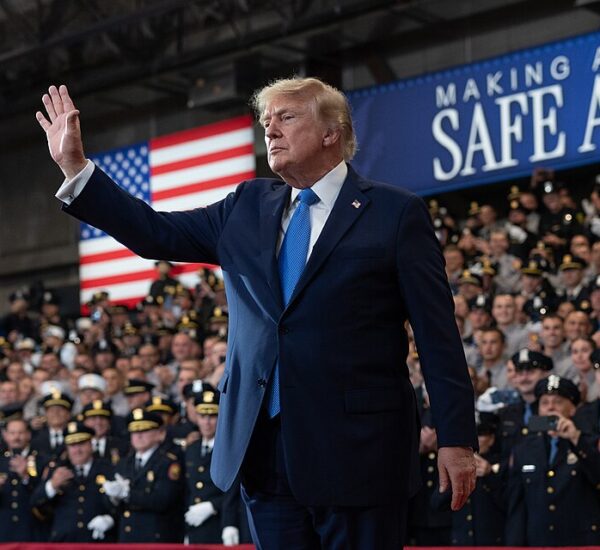
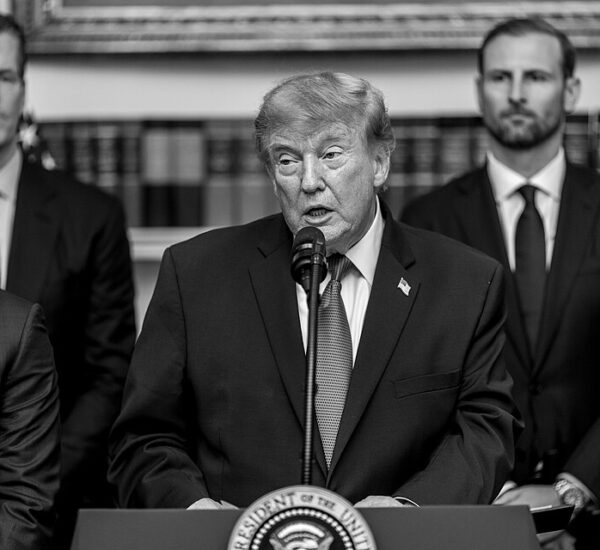
President Donald Trump has already campaigned alongside Mackenzie, visiting a Mack Trucks manufacturing facility in the district last month where he encouraged voters to keep the Republican congressman in office.
The president has also traveled to several other competitive states, including Georgia, and is expected to continue visiting key battlegrounds throughout the fall.
Trump Remains the GOP’s Biggest Campaign Asset
Republican candidates continue to rely heavily on Trump’s popularity among GOP voters as they seek to defend their narrow House majority.
During campaign appearances, Trump has continued highlighting issues that resonate with many conservative voters, including border security, crime, government spending, economic growth, and opposition to progressive social policies.
Republicans also point to recent legislative victories, including the One Big Beautiful Bill Act, along with House efforts designed to restrict members of Congress from trading individual stocks while serving in office.
Party leaders believe those accomplishments will strengthen Republican candidates in competitive districts.
Midterm History Presents a Challenge
Despite holding the House majority, Republicans face a significant historical trend.
The president’s party has often lost congressional seats during midterm elections, making every competitive district especially important this year.
Democrats hope concerns over inflation, healthcare costs, rising prices, and recent military action involving Iran will persuade independent voters to support their candidates.
Republicans, meanwhile, are emphasizing economic policies, tax relief, border enforcement, and legislative accomplishments as reasons voters should keep the current majority in place.
Only a Few Districts May Decide Congress
Although every House seat is on the ballot this fall, political analysts expect control of Congress to be decided by fewer than two dozen highly competitive districts nationwide.
Pennsylvania remains at the center of that battle.
Because several of the state’s congressional districts are considered genuine toss-ups, national party organizations are expected to invest heavily in television advertising, digital outreach, and grassroots organizing throughout the final weeks of the campaign.
Gov. Josh Shapiro Highlights Pennsylvania’s Importance
Gov. Josh Shapiro has been actively campaigning for Democratic candidates across the state while seeking his own second term.
Speaking during Sunday’s event, Shapiro emphasized Pennsylvania’s long-standing role as one of America’s premier swing states.
He argued that the outcome of the state’s congressional races could have a major impact on which party controls the House after November’s elections.
Republicans Hold a Fundraising Edge
While Democrats hope political momentum shifts in their favor, Republicans currently maintain an advantage in campaign fundraising.
House Speaker Mike Johnson is expected to spend much of the coming months traveling across the country to raise money and campaign for Republican candidates as the GOP works to protect its majority.
Campaign resources are expected to play a major role in many of the nation’s closest House contests.
Supreme Court Ruling Could Reshape Campaign Spending
Another factor drawing national attention is a recent Supreme Court ruling involving campaign finance.
The decision allows national political parties to contribute directly to candidates’ campaigns, potentially changing how both parties allocate resources during the closing months of the election cycle.
Political observers say the ruling could significantly influence advertising, fundraising, and voter outreach efforts in competitive districts across the country.
The Bottom Line
With just 100 days remaining until Election Day, the fight for control of the U.S. House is entering its most critical phase.
Pennsylvania has once again become one of America’s most closely watched political battlegrounds, with both Democrats and Republicans investing heavily in a small number of races that could determine which party controls Congress.
As campaign spending accelerates and candidates sharpen their messages, voters in a handful of competitive districts may ultimately decide the future direction of the House—and the balance of power in Washington—for the remainder of President Donald Trump’s second term.