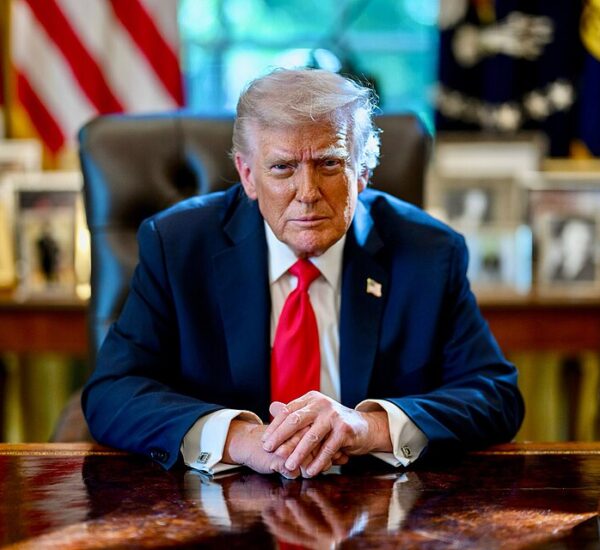
Here’s what Trump decided to do.
Trump Orders Major Reduction of Two Utah National Monuments
President Donald Trump signed a sweeping executive order on Monday that dramatically reduces the size of two of Utah’s largest national monuments, calling the move a victory for local communities and a step toward restoring land that he says never should have been placed under such broad federal control.
The executive order shrinks the combined size of the Grand Staircase-Escalante and Bears Ears national monuments from approximately 3 million acres to about 300,000 acres, reducing the protected land by nearly 90%.
Trump said the federal government expanded the monument boundaries far beyond what was necessary to preserve important historical sites, arguing that millions of acres had been placed off limits without properly considering the people who live and work in the region.
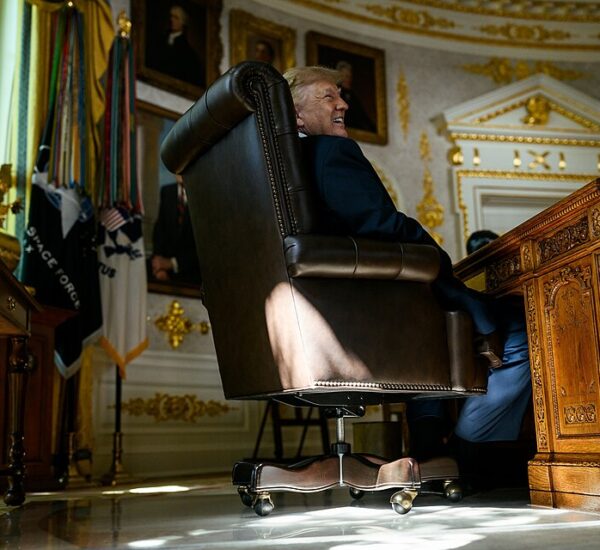
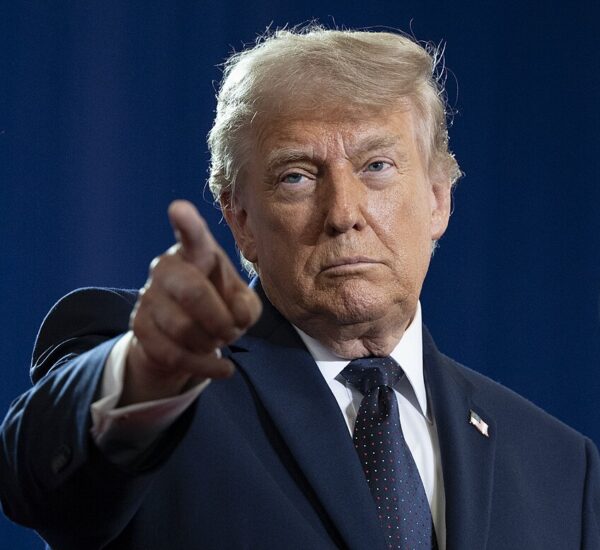
Speaking at the signing ceremony, Trump argued that the federal government had taken land away from local communities and said his administration was returning it to the people.
The decision marks another major step in the administration’s broader effort to increase local control over federal land while expanding opportunities for responsible energy development, mining, and other economic activities.
Why Trump Says the Change Was Necessary
Supporters of the executive order argue that the original monument designations were much larger than required under the Antiquities Act.
Grand Staircase-Escalante was established by President Bill Clinton in 1996, while Bears Ears was designated as a national monument by President Barack Obama in 2016.
Trump and his supporters have long maintained that presidents have increasingly used the Antiquities Act to lock away enormous areas of land instead of protecting only specific archaeological or historical sites.
Under the new order, large portions of land previously included within the monument boundaries will no longer carry the same federal protections.
Supporters believe the change will provide new opportunities for economic growth while allowing communities greater input into how nearby public lands are managed.
Utah Leaders Praise the Executive Order
Utah Governor Spencer Cox joined President Trump during the announcement and praised the administration’s decision.
Cox argued that the Antiquities Act was intended to preserve important landmarks using the smallest amount of land necessary—not millions of acres stretching across vast sections of the state.
According to Cox, monument designations covering areas larger than some U.S. states go well beyond the law’s original purpose.
Supporters also argue that decisions affecting large portions of Utah should involve state leaders, local governments, and residents instead of being made almost entirely in Washington.
Many conservatives have long argued that federal land policies often overlook the needs of rural communities that rely on public lands for jobs, recreation, ranching, and resource development.
Critics Say Cultural Sites Could Be at Risk
The executive order has drawn immediate criticism from several Native American organizations and environmental groups.
Many tribal leaders say Bears Ears is much more than public land. They describe it as a sacred cultural landscape containing ancient cliff dwellings, petroglyphs, ceremonial sites, burial areas, traditional food sources, medicinal plants, and locations that remain deeply significant to tribal history.
Davina Smith-Idjesa, co-chair of the Bears Ears Inter-Tribal Coalition and a citizen of the Navajo Nation, said the monument represents generations of cultural heritage that cannot simply be separated from the surrounding landscape.
Critics argue that reducing the monument boundaries could leave culturally significant areas with fewer federal protections.
Environmental organizations have also expressed concern that the move may increase development in previously protected areas.
Energy Development Could Expand
One of the biggest impacts of the executive order involves natural resources.
National monument status generally limits activities such as mining, drilling, and large-scale construction across protected lands.
Large portions of the original monument boundaries contain significant deposits of coal, uranium, and other valuable minerals.
The Trump administration has repeatedly argued that expanding access to domestic energy resources strengthens America’s economy, creates jobs, and reduces dependence on foreign nations.
Interior Secretary Doug Burgum has also supported increasing responsible energy production on federal lands, including expanded oil, natural gas, and mineral development in several regions across the country.
Administration officials have emphasized that boosting American energy production remains one of the White House’s top priorities.
Legal Challenges Are Expected
The executive order is expected to face immediate legal challenges from conservation organizations and tribal groups.
Opponents argue that presidents may have the authority to create national monuments under the Antiquities Act but question whether a president can significantly reduce an existing monument without approval from Congress.
Supporters of Trump’s order disagree, arguing that previous administrations stretched the law beyond its intended purpose and that presidents have the authority to revise monument boundaries when they believe earlier designations exceeded legal limits.
The dispute will likely be decided in federal court, where judges could determine how much authority future presidents have over national monument designations.
Why This Matters
Trump’s executive order represents another major shift in the ongoing debate over federal land management.
Supporters view the decision as restoring local control, protecting property rights, encouraging responsible energy development, and reversing what they consider years of federal overreach.
Critics argue the move could reduce protections for culturally important sites and environmentally sensitive areas while opening additional land to mining and other development.
With legal challenges already expected, the battle over Utah’s national monuments is likely to become one of the administration’s most closely watched public lands fights. The outcome could shape how future presidents use the Antiquities Act and determine who has the final say over millions of acres of federal land across the United States.