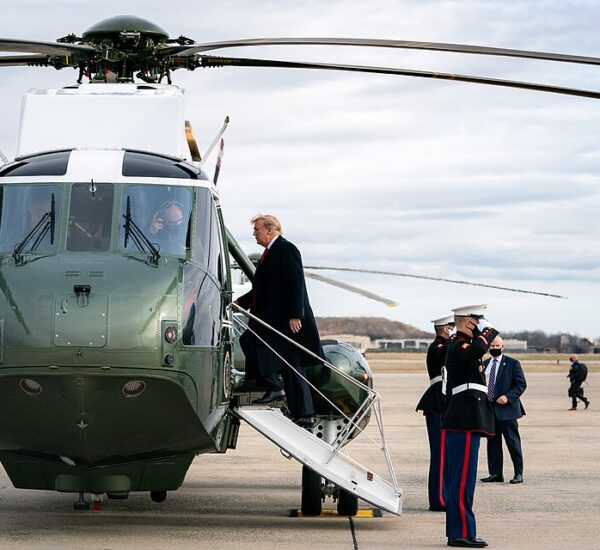
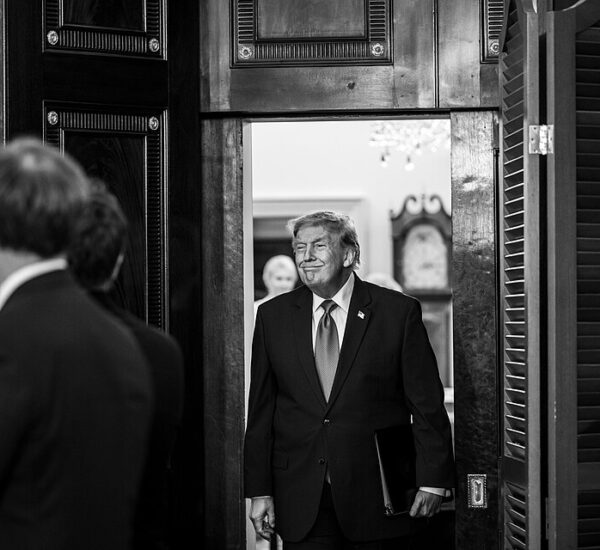
Giorgia Meloni has responded sharply to recent comments from Donald Trump after he questioned her popularity and made claims about her requesting repeated photos with him. Trump also said Meloni was “doing poorly in Italy with her level of popularity” and accused her of not fully supporting U.S. efforts to block Iran from developing a nuclear weapon. In a public statement posted to Instagram, Meloni rejected the criticism and described the remarks as “constant, unprovoked attacks” that she called “senseless.”
BACKGROUND
The exchange follows Trump’s broader comments over the weekend in which he raised doubts about Meloni’s standing in Italy and referenced past interactions between the two leaders. He claimed she had asked “over and over” for a photo together, a point that has now become part of the public back-and-forth. Meloni’s response, delivered via Instagram, directly addressed both the personal and political criticisms. She pushed back on Trump’s assessment of her popularity and insisted it was not his concern, while also telling him to focus on his own standing. The dispute adds a new layer of tension between the two leaders, combining personal remarks with disagreements over foreign policy issues, including Iran.
Trump Issues Warning To Cuba
President Donald Trump is signaling that Cuba could become a growing priority for his administration as the White House continues reshaping America’s strategy across Latin America.
During a recent interview, Trump suggested the communist-controlled island may eventually receive attention similar to what the administration has devoted to neighboring Venezuela, raising new questions about the future of U.S.-Cuba relations.
While Trump stopped short of outlining specific plans, his comments indicate that Cuba remains firmly on the administration’s radar as Washington evaluates economic, diplomatic, and national security challenges throughout the Western Hemisphere.
Trump Says Cuba Could Be Part Of A Broader Strategy
When asked whether Cuba could follow a path similar to the administration’s recent efforts involving Venezuela, Trump made clear he believes such a possibility exists.
The president emphasized that both countries sit close to American shores, making developments there far more significant to U.S. interests than conflicts taking place thousands of miles away.
For decades, policymakers in Washington have viewed instability, authoritarian governments, and foreign influence in the Caribbean and Latin America as matters of direct concern for the United States.
Trump’s latest remarks suggest that perspective remains central to his administration’s approach.
A Key Difference: Venezuela Has Oil
Trump highlighted one major distinction between the two nations.
Venezuela possesses some of the largest oil reserves in the world, making it an important player in global energy markets. Cuba, by contrast, lacks the vast energy resources that have long given Venezuela geopolitical significance.
However, Trump noted that Cuba’s location and extensive coastline still make it strategically important.
That geographic reality has made Cuba a focal point of American foreign policy debates for generations, particularly during periods of heightened tensions between Washington and Havana.
Marco Rubio Expected To Play A Leading Role
Trump also revealed that Cuba appears interested in improving communication with the United States.
According to the president, any future discussions would likely involve Secretary of State Marco Rubio, one of the administration’s strongest voices on Latin American affairs.
Rubio, whose family fled communist Cuba, has spent years advocating for tougher policies toward both Havana and Caracas. He has consistently argued that pressure should remain on authoritarian governments while supporting democratic reforms throughout the region.
His influence within the administration has grown significantly, making him a central figure in shaping America’s Cuba and Venezuela policies.
Why Cuba Still Matters To America
Although the president offered few details about what future action might look like, his comments highlight the continuing importance of Cuba in American foreign policy.
The island sits less than 100 miles from Florida and has remained a source of political debate for decades. Issues involving migration, trade, national security, and human rights have repeatedly placed Cuba at the center of discussions in Washington.
For many conservatives, concerns about communist governments operating so close to the United States remain just as relevant today as they were during the Cold War.
What’s Next?
At this stage, there is no indication that formal negotiations are imminent, nor has the administration announced any major policy changes.
Still, Trump’s remarks suggest Cuba and Venezuela are increasingly being viewed as part of a larger strategy aimed at strengthening American influence throughout the Western Hemisphere while addressing regional security concerns.
Whether that leads to new diplomatic talks, increased economic pressure, or other policy initiatives remains to be seen.
One thing is clear: Cuba is once again becoming a major topic in Washington, and the Trump administration appears determined to keep a close eye on developments just off America’s coastline.