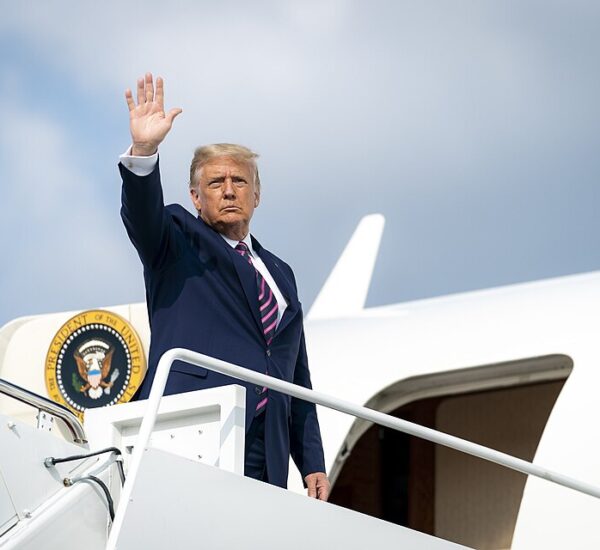
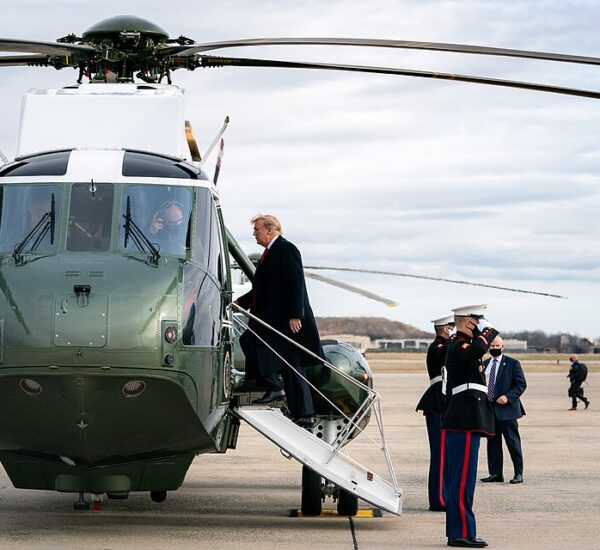
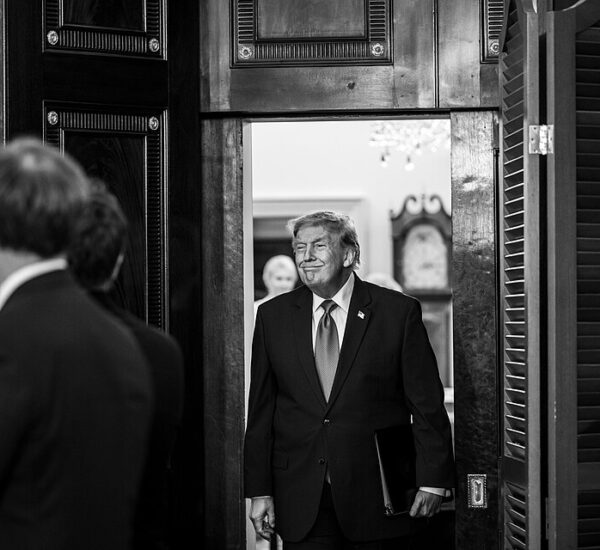
During the final day of the G7 summit, U.S. President Donald Trump walked into a meeting and said, “I’m the boss,” a remark that drew laughter from fellow world leaders. The comment quickly went viral and attracted global attention following the summit. Trump later addressed the moment publicly during an interview, clarifying the intent behind his statement.
BACKGROUND
In an appearance on The Axios Show, Trump said he was “trying to be funny” and insisted he was not attempting to position himself as “the boss.” The discussion centered on his now-viral remark made as he entered the G7 meeting. The host referenced the moment directly, asking Trump about the reaction from other leaders after he made the comment. Trump reiterated that the line was intended as a joke and had been taken out of context.
Trump Official Takes Flight For Peace Deal
Vice President JD Vance traveled to Switzerland on Saturday as the Trump administration launched a new round of negotiations with Iran aimed at securing a longer-term ceasefire, reopening the Strait of Hormuz, and preventing Tehran from rebuilding its nuclear program.
The talks come at a critical moment as tensions remain high across the Middle East and concerns continue to grow over global oil supplies, regional security, and America’s role in the conflict.
Trump Team Moves Quickly To Preserve Ceasefire
The negotiations were originally expected to begin Friday but were delayed after renewed fighting involving Israel and Hezbollah in Lebanon threatened to derail the fragile agreement.
Vance is leading the American delegation alongside Special Envoy Steve Witkoff and Jared Kushner, two of President Donald Trump’s top diplomatic advisers.
Speaking during an interview on Fox News, Vance said both men had already arrived in Europe and were working through the technical details needed to move the negotiations forward.
According to Vance, discussions are progressing smoothly despite the challenges.
Strait Of Hormuz Remains A Major Focus
One of the administration’s primary objectives is keeping the Strait of Hormuz open.
The narrow waterway is one of the most important shipping routes in the world, carrying a significant portion of global oil exports. Any disruption could drive up gasoline prices, increase inflation, and place additional pressure on American families already dealing with higher living costs.
Vance claimed roughly 16 million barrels of oil moved through the corridor during the previous 24 hours, describing the development as a major achievement for the administration.
“One of the President’s highest priorities was reopening the Strait,” Vance said during the interview.
Iran Nuclear Program Remains At Center Of Talks
The temporary agreement extends the ceasefire for 60 days and establishes a framework for future negotiations over Iran’s nuclear program and stockpile of highly enriched uranium.
Vance argued that the administration’s goal is not simply to pause Iran’s nuclear ambitions but to make it impossible for Tehran to rebuild its capabilities in the future.
“The program has been destroyed,” Vance said. “Now we’re working to eliminate any opportunity for Iran to restart it.”
The White House believes the United States enters the negotiations from a position of strength following months of military and economic pressure on the Iranian regime.
Republicans Raise Concerns About Sanctions Relief
Not everyone in Washington is convinced the agreement is a good deal.
Several Republicans have expressed concerns about reports that Iran could eventually gain access to sanctions relief and reconstruction funds worth hundreds of billions of dollars if it complies with the agreement.
According to Sen. Roger Wicker of Mississippi, Iran’s leaders have shown no indication that they have abandoned their anti-U.S. objectives.
Wicker said earlier this week that Iran’s ruling regime has never backed away from its longstanding calls for the destruction of both the United States and Israel.
He cautioned that any financial benefits provided to Tehran could ultimately strengthen the regime rather than moderate it.
The criticism highlights growing concerns among conservatives who support Trump’s tough stance on Iran but remain skeptical about providing the regime with economic incentives.
Vance Says America Holds The Upper Hand
Vance dismissed those concerns, insisting that Iran would only gain access to economic benefits if it fully complies with the agreement.
He also emphasized that American taxpayers would not be funding any reconstruction efforts.
According to Vance, the administration retains significant leverage if negotiations break down.
“The United States wins either way,” he said. “The question is whether Iran chooses to behave differently moving forward.”
Trump Issues New Warning
President Trump added more pressure Saturday by warning that countries using the Strait of Hormuz could face future tolls or fees if a final agreement is not reached before the 60-day deadline expires.
Trump argued that the United States has spent decades protecting critical shipping lanes throughout the Middle East and suggested allies should help shoulder more of the burden.
The warning signals that the administration is prepared to increase pressure if negotiations stall.
Conflicting Claims Raise New Questions
Despite optimism from U.S. officials, confusion remains over the status of the Strait of Hormuz itself.
American officials maintain that commercial shipping traffic is moving normally through the waterway.
Iran’s military leadership, however, claimed Saturday that the strategic passage had once again been restricted.
Those conflicting reports underscore the uncertainty surrounding the negotiations and highlight how quickly tensions could escalate if diplomacy fails.
For now, the Trump administration is betting that a combination of economic pressure, military strength, and diplomacy can secure a longer-lasting agreement.
Whether Iran ultimately accepts those terms could determine not only the future of the ceasefire but also the stability of global energy markets and the direction of U.S. foreign policy in the Middle East.