Whoa! This was unexpected.
President Donald Trump is facing growing pressure from some conservatives as his administration works toward a possible diplomatic agreement with Iran, setting off a major debate inside Republican circles over the future of America’s Middle East strategy.
While Trump officials say negotiations are being handled carefully and from a position of strength, several high-profile Republican voices have expressed concern that any agreement with Iran could repeat mistakes made during the Obama administration.
The disagreement escalated over the weekend after former Secretary of State Mike Pompeo criticized reports surrounding the negotiations and warned against what he described as a weak approach toward Tehran.
That criticism quickly triggered a sharp response from White House communications director Steven Cheung, who accused Pompeo of speaking publicly about matters he was not directly involved in.
The exchange highlighted growing tensions among conservatives over how aggressively the United States should deal with Iran following years of instability in the region.
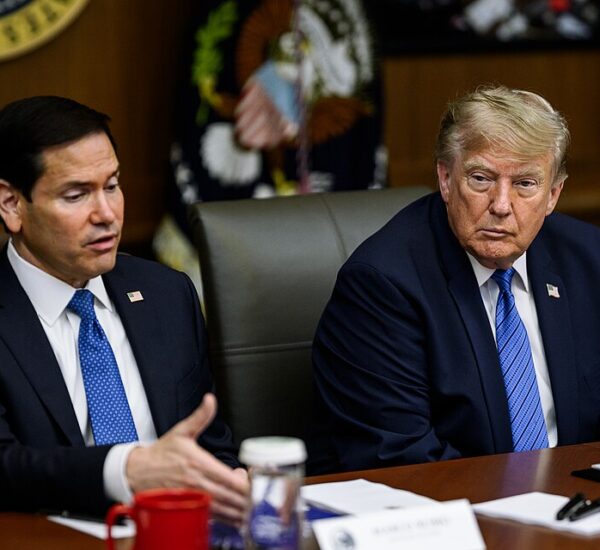
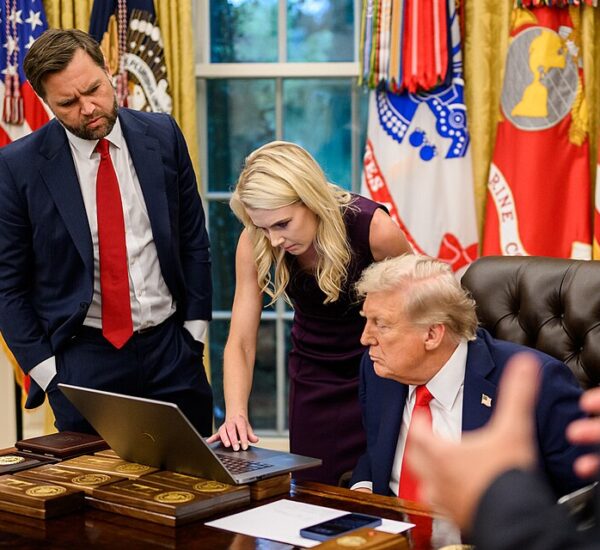
Trump addressed the issue directly Sunday morning, defending his administration’s strategy while drawing a strong contrast between his approach and the Iran nuclear agreement negotiated under former President Barack Obama.
According to Trump, the previous deal gave Iran too much freedom while failing to stop the country’s long-term nuclear ambitions. He argued that the current negotiations are designed to achieve the exact opposite outcome.
The president said talks are moving in a “constructive” direction and stressed that his administration will not rush into any final agreement. Trump also confirmed that economic pressure and restrictions against Iran would remain fully in place unless a verified deal is completed.
Trump emphasized that Iran will not be allowed to obtain a nuclear weapon under his administration.
Secretary of State Marco Rubio also defended the White House strategy, rejecting claims that Trump would ever agree to a deal that weakens America’s position or strengthens Iran militarily.
Rubio said the administration prefers diplomacy over military conflict whenever possible, but added that any agreement must include real enforcement measures and measurable action from Iran — not simply promises on paper.
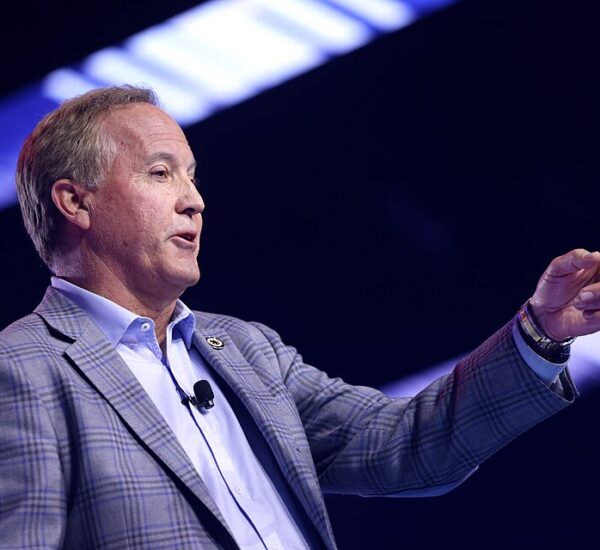
Sen. Ted Cruz joined critics voicing concern over reports that Iran could receive financial relief under a future agreement.
Cruz praised Trump’s earlier military actions against Iran but warned that any arrangement allowing Iran to regain financial strength while maintaining nuclear capabilities could create serious long-term risks for the United States and its allies.
The Texas senator’s comments sparked backlash from some Trump allies, including Trump’s political advisor Alex Bruesewitz, who accused Cruz of publicly undermining the president during sensitive negotiations suggesting him to shut up.
The disagreement quickly spread across conservative social media, exposing deeper divisions within the Republican Party over foreign policy, military intervention, and diplomacy in the Middle East.
However, not all Republican lawmakers opposed Trump’s efforts.
Sen. Rand Paul urged conservatives to give the president room to negotiate, arguing that strong diplomacy backed by military leverage can often produce better long-term results than endless conflict.
Paul defended Trump’s America First approach and said critics should allow negotiations to play out before drawing conclusions.
Trump later pointed to the success of the Abraham Accords as evidence that major diplomatic breakthroughs in the Middle East are possible under strong American leadership.
The president suggested future cooperation between regional nations could continue expanding if stability is restored and security concerns are addressed.
As negotiations continue, the debate surrounding Trump’s Iran strategy is becoming one of the biggest foreign policy discussions inside the Republican Party ahead of the next election cycle.
Supporters argue Trump is pursuing peace through strength while maintaining maximum pressure on Iran. Critics remain concerned that any agreement could eventually weaken America’s leverage in the region.
For now, the White House insists the administration remains focused on protecting American interests, preventing nuclear escalation, and securing long-term stability in the Middle East.