Springsteen Attacks Trump Again
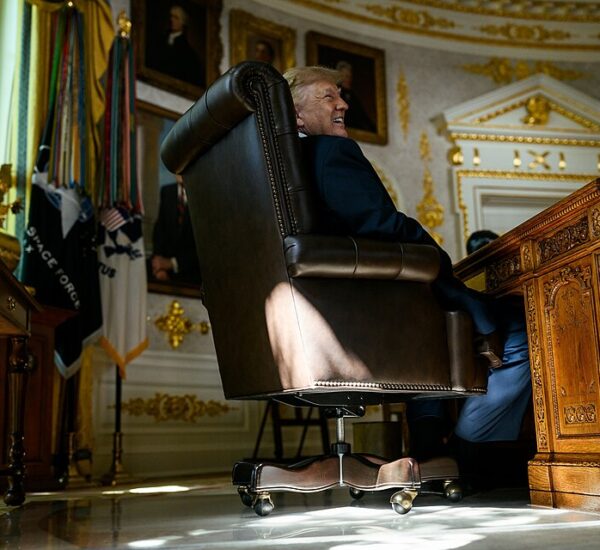
Rock icon Bruce Springsteen sparked controversy this week after taking aim at President Trump and the billionaire owners of Paramount Global during an appearance on The Late Show with Stephen Colbert.
The comments came during one of the final episodes hosted by Stephen Colbert, whose late-night program is set to end in 2026 following CBS’s decision to cancel the long-running show.
After being introduced on stage, Springsteen voiced support for Colbert while criticizing both President Trump and media executives Larry and David Ellison. The legendary singer then performed “Streets of Minneapolis,” a politically charged song released earlier this year that criticizes the Trump administration.
Springsteen suggested Colbert’s show was ending because of growing political pressure in today’s media environment. He also accused the Ellison family of aligning too closely with President Trump in order to protect business interests.
The remarks immediately reignited debate over politics in entertainment and whether Hollywood celebrities are becoming increasingly disconnected from everyday Americans.
CBS has repeatedly stated that canceling “The Late Show” was strictly a financial decision tied to the changing economics of late-night television. Network executives emphasized that the move was not related to politics, ratings controversies, or the show’s content.
Still, the decision has continued to fuel speculation across both political and media circles.
The Ellison family, known for its growing influence in the media industry, has reportedly pushed for broader editorial changes at CBS aimed at reaching a more politically balanced audience. Supporters say the shift reflects growing frustration among viewers who believe mainstream entertainment and news outlets have leaned too far left in recent years.
Colbert first took over “The Late Show” in 2015 and quickly became known for his sharp anti-Trump monologues and politically focused comedy. While the show maintained a loyal audience, critics argued that late-night television increasingly alienated conservative viewers.
The White House responded quickly to Springsteen’s comments.
White House spokesperson Davis Ingle defended the network’s decision and dismissed claims that politics played a role in the cancellation.
Ingle also referenced a previous Truth Social post from President Trump criticizing Springsteen, highlighting the long-running feud between the president and the outspoken musician.
The latest clash highlights the ongoing cultural divide between celebrity activists and conservative Americans, especially as major media companies attempt to adapt to shifting viewer habits and growing political polarization in entertainment.
For many older Americans, the debate surrounding Colbert’s departure represents more than just the end of a television show — it reflects a broader battle over free speech, political influence, and the future direction of American media and culture.