Trump DOJ Considering New Lawsuit
The U.S. Department of Justice is taking legal action against the state of Minnesota, setting up a high-stakes showdown over energy policy, state authority, and rising costs for everyday Americans.
At the center of the dispute: Minnesota’s attempt to hold energy companies accountable for global greenhouse gas emissions through state-level lawsuits—something federal officials say goes far beyond the state’s authority.
Federal Government Pushes Back on State Energy Moves
According to the complaint, Minnesota is trying to influence national energy policy by targeting major energy producers in state court.
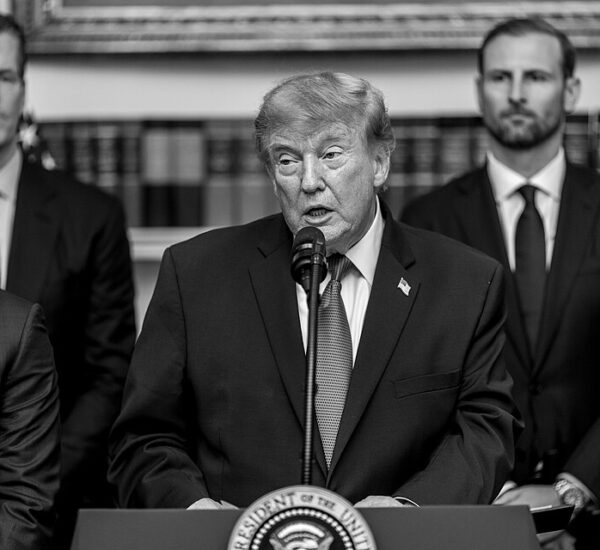
Officials in the administration of Donald Trump argue that this approach could disrupt America’s energy supply, increase costs, and create confusion across multiple states.
Associate Attorney General Stanley Woodward made the administration’s position clear:
States, he said, should not be able to impose policies that impact the entire country—especially when it comes to energy production, fuel prices, and national security.
A Bigger Pattern: Minnesota Facing Federal Pressure
This lawsuit is just one part of a broader wave of federal activity in Minnesota.
Governor Tim Walz has yet to respond publicly, but recent developments have put the state firmly in the spotlight:
- Federal agents recently searched more than 20 locations tied to alleged fraud involving social programs
- Large-scale immigration enforcement operations were carried out earlier this year
- Federal investigators have requested records related to possible interference with immigration enforcement
Together, these actions signal growing tension between state leadership and federal authorities.
Trump’s Energy Agenda Takes Center Stage
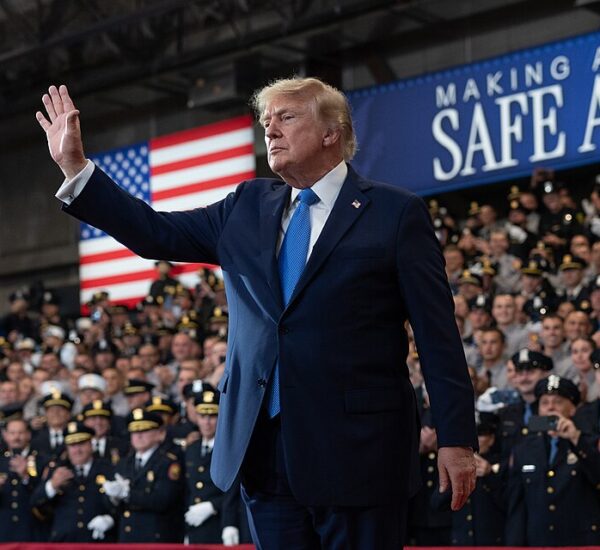
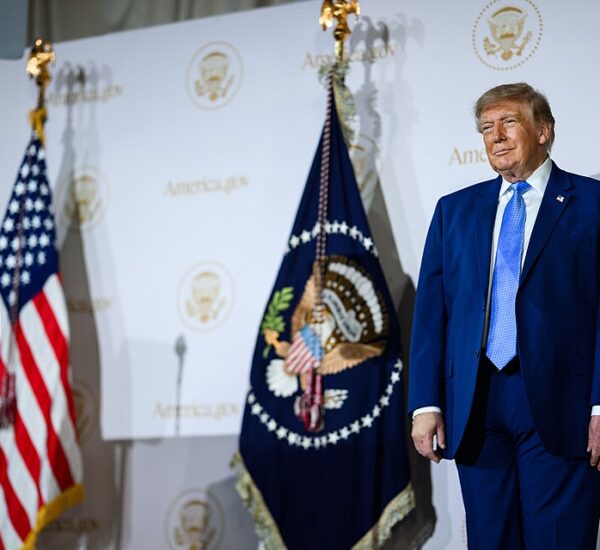
On his first day back in office, President Trump declared a national energy emergency—aimed at boosting domestic production and lowering energy costs for Americans.
His administration has emphasized:
- Expanding oil and gas production
- Reducing reliance on foreign energy
- Keeping fuel and electricity prices affordable
Supporters argue that these steps are critical to protecting American jobs and stabilizing household budgets.
Why This Matters—Especially for Americans Over 50
For millions of Americans—especially those on fixed incomes—energy costs aren’t just a policy debate. They’re a monthly reality.
Heating bills, gas prices, and electricity costs can have a major impact on retirement savings and financial security.
If states begin setting their own aggressive energy rules, experts warn it could lead to:
- Higher fuel prices
- Increased utility bills
- Less stability in the energy market
That’s why this case could have nationwide consequences far beyond Minnesota.
The Bottom Line
This legal battle isn’t just about climate policy—it’s about who controls America’s energy future and how much Americans will pay to power their homes and vehicles.
As the case unfolds, it could shape:
- Energy prices
- Federal vs. state authority
- The long-term affordability of everyday living
For many Americans, especially those planning for or living in retirement, that’s a fight worth watching closely.