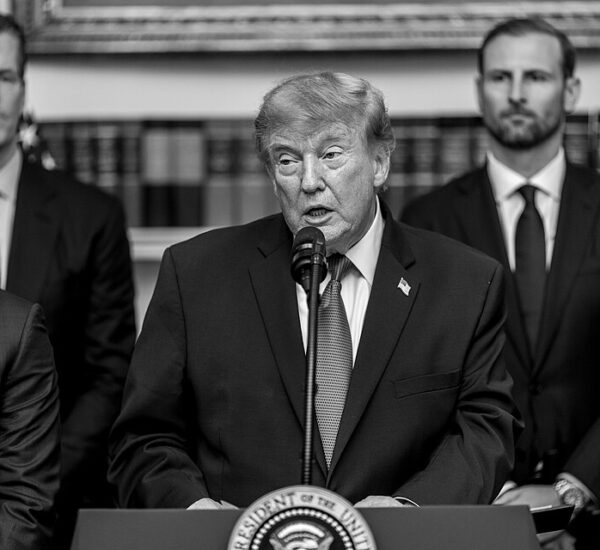
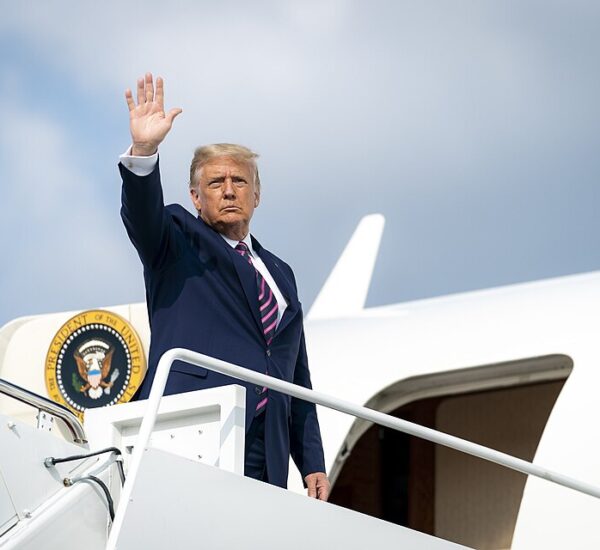
Trump isn’t playing games.
The Trump administration is taking aggressive action to protect taxpayer money, launching investigations into multiple states as part of a sweeping crackdown on fraud in government healthcare programs.
According to Centers for Medicare & Medicaid Services (CMS) Administrator Mehmet Oz, at least five states are already under review—Minnesota, California, Florida, New York, and Maine—with more expected to follow.
“We’ve already sent letters, and this is just the beginning,” Oz said, signaling that all 50 states could ultimately face scrutiny.
A Major Crackdown on Fraud, Waste, and Abuse
The investigations come after a shocking fraud case in Minnesota tied to the “Feeding Our Future” scandal, which reportedly cost taxpayers over $250 million.
Now, federal officials are expanding their focus to high-risk areas like:
- Medicaid services
- Hospice care programs
- Durable medical equipment (DME) billing
These programs, designed to help vulnerable Americans, are now under the microscope for potential abuse.
Why Florida and Other States Raised Red Flags
One of the biggest concerns involves suspicious billing patterns—especially in South Florida.
Oz pointed out that some areas have an unusually high number of medical equipment suppliers, raising serious questions about fraudulent claims for items like:
- Wheelchairs
- Knee braces
- Medical support devices
In some cases, the number of suppliers far exceeds what would normally be expected in a healthy, competitive market.
Task Force Led by Vice President Vance Steps In
To tackle the growing problem, a federal anti-fraud task force led by Vice President JD Vance has already taken action.
Earlier this year, the task force introduced a nationwide moratorium targeting high-risk medical equipment suppliers—one of the biggest sources of suspected fraud.
Officials say the mission is simple:
Stop abuse and ensure taxpayer dollars go where they’re actually needed.
Foreign Crime Networks Under Investigation
Perhaps most alarming are growing concerns about foreign involvement in U.S. healthcare fraud.
Oz revealed that investigators have identified potential links to organized crime groups operating in major cities, including Los Angeles and New York.
These networks may be exploiting gaps in oversight to siphon off taxpayer-funded resources—turning public assistance programs into targets for international fraud operations.
California Hospice Scandal Sparks Immediate Action
In California, the situation has already led to dramatic enforcement action.
More than 400 hospice providers in Los Angeles were suspended after investigators uncovered troubling irregularities.
Hospice care is meant for patients in their final months of life—but officials found cases where:
- Patients were not terminally ill
- Survival rates were unusually high
- Oversight appeared weak or nonexistent
“This shows what happens when no one is watching closely,” Oz warned.
Governor Gavin Newsom had previously approved restrictions on new hospice licenses, aiming to prevent further abuse.
All 50 States Put on Notice
The Trump administration is now demanding immediate action nationwide.
CMS has ordered governors to:
- Review high-risk Medicaid providers
- Verify credentials and services
- Remove noncompliant participants
States were given just 10 business days to respond with a plan—and a longer-term strategy within 30 days.
Failure to comply could trigger federal audits.
Why This Matters to Every American
Fraud in government healthcare programs isn’t just a bureaucratic issue—it directly impacts taxpayers.
Experts estimate that billions of dollars are lost every year due to fraud and abuse.
And because Medicaid is largely funded by federal dollars, that burden ultimately falls on everyday Americans.
“This is about protecting the integrity of the system,” Oz said. “The American people deserve accountability.”
The Bottom Line
The Trump administration’s investigation marks one of the most aggressive efforts yet to root out fraud in government healthcare programs.
With multiple states already under review and more likely to follow, the message is clear:
The era of unchecked spending and weak oversight may be coming to an end.