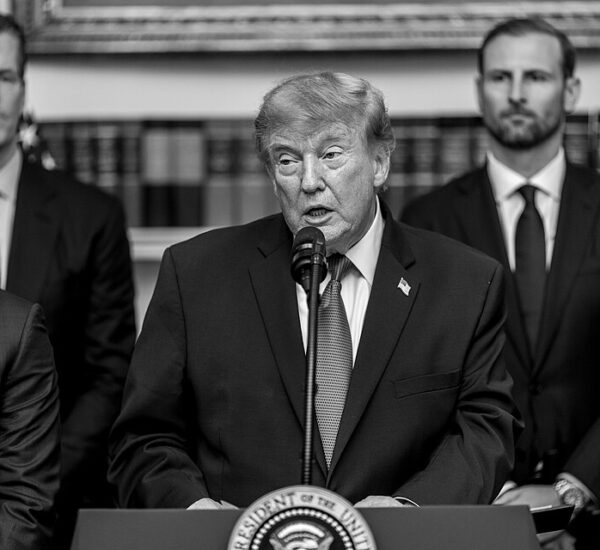
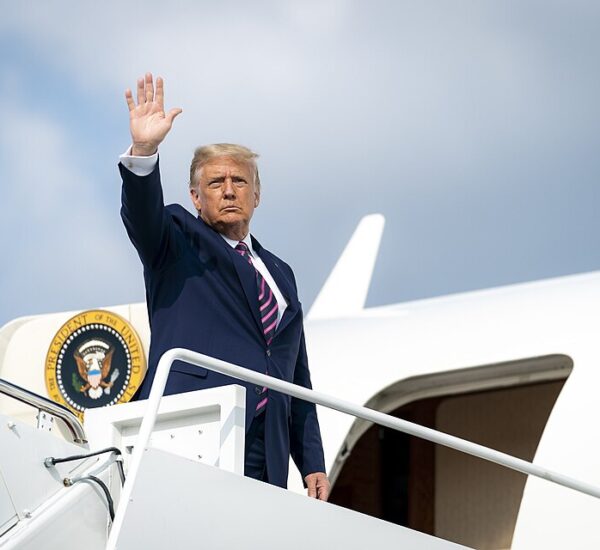
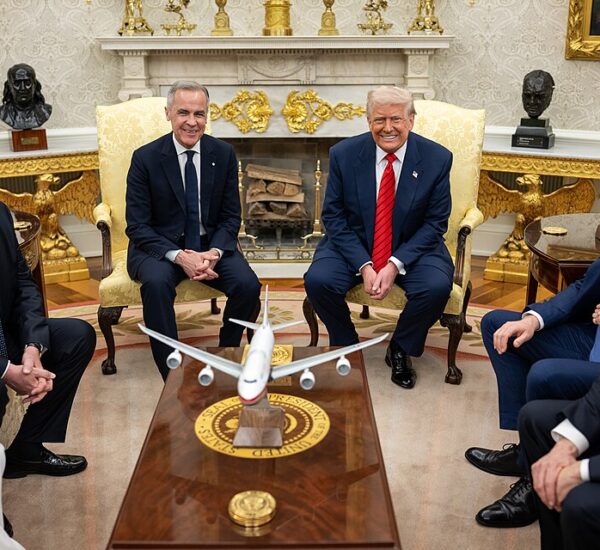
Trump isn’t backing down.
President Donald Trump is taking decisive action once again—this time targeting the financial lifelines of Iran’s regime with a powerful new wave of sanctions aimed at crippling its ability to fund global instability.
On Friday, the U.S. Treasury Department announced sweeping sanctions against three major Iranian currency exchange operations, along with more than a dozen front companies accused of laundering massive sums of money tied to oil sales and military activity.
Officials say these networks have quietly helped Tehran move billions across borders—fueling its military ambitions and supporting proxy groups throughout the Middle East.
Cutting Off Iran’s Financial Lifeline
At the center of the crackdown are three exchange houses:
- Opal Exchange
- Radin Exchange
- Arz Iran Exchange
According to Treasury officials, these entities act as key middlemen—converting foreign oil payments, often made in Chinese yuan, into usable currencies like U.S. dollars and euros.
That conversion process is critical for Iran. Without it, the regime struggles to fund its military operations and international influence.
Treasury Secretary Scott Bessent made the administration’s position clear:
“We are aggressively targeting the financial systems that keep Iran’s operations alive. This is about stopping the flow of money that fuels global instability.”
Shell Companies and Hidden Networks
Officials say these exchange houses rely on a complex web of shell companies spread across multiple countries. Many are registered under foreign citizenships—such as Dominica or St. Kitts and Nevis—to hide their true connections to Iran.
These tactics allow the networks to:
- Open international bank accounts
- Move money undetected
- Support sanctioned Iranian entities
In total, 15 front companies were hit in Friday’s action, with authorities estimating that these networks have processed hundreds of millions—possibly billions—of dollars.
Sanctions With Real Consequences
The penalties are significant:
- All U.S.-based assets tied to these individuals and companies are now frozen
- Americans are strictly prohibited from doing business with them
- Foreign companies risk secondary sanctions if they assist these operations
Several key individuals connected to the networks were also personally sanctioned, tightening the pressure even further.
Part of a Larger Strategy
This move is just the latest step in a broader campaign by the Trump administration to increase economic pressure on Iran.
Since early 2025, more than 1,000 Iran-related sanctions have been issued—targeting banks, oil networks, and even digital financial channels used to evade restrictions.
Despite these efforts, Iran has continued exporting oil through hidden channels and intermediaries. That’s why this latest crackdown focuses on the financial “middlemen” that make those transactions possible.
A Clear Message to Tehran
U.S. officials say the goal is simple: raise the cost of Iran’s actions to a level the regime can no longer ignore.
By targeting the currency exchanges that keep money flowing, the administration is aiming to make it far more difficult for Iran to fund its military, support proxy forces, and expand its influence abroad.
At the same time, officials noted that whistleblowers who provide credible information on sanctions evasion could be eligible for financial rewards through federal programs.
Bottom Line
This isn’t just another round of sanctions—it’s a direct strike at the financial engine powering Iran’s global operations.
And under President Trump, the message is clear: the United States is escalating efforts to cut off the money that fuels instability—and it’s not backing down.