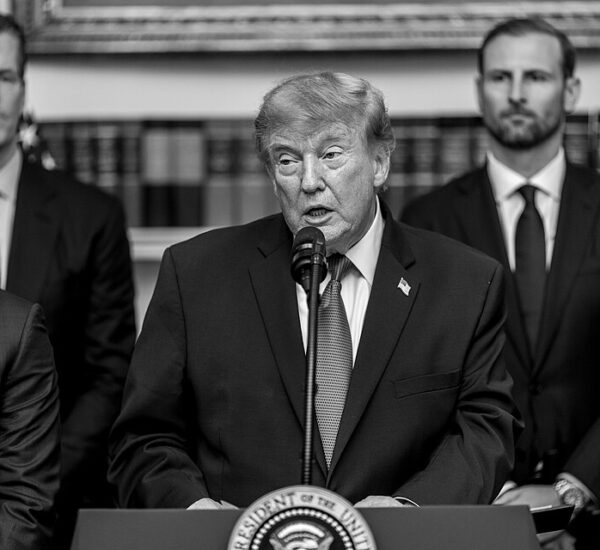
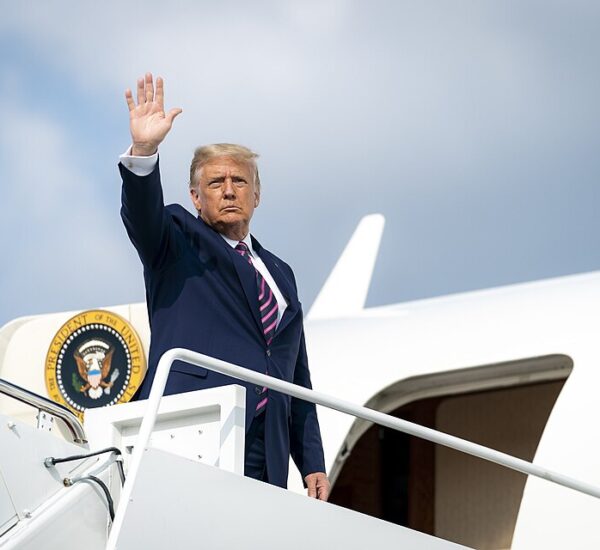
Trump isn’t happy.
President Donald Trump is once again taking a hard line on global trade—this time targeting European auto imports with a major new tariff increase that could reshape the industry.
Tariffs Set to Jump to 25%
On Friday, Trump confirmed that tariffs on vehicles imported from the European Union will soon rise from 15% to 25%. The change is expected to take effect as early as next week.
According to the president, the move comes after the European Union failed to live up to its commitments under a previously negotiated trade agreement.
In a Truth Social post, Trump made his position clear: the United States will not tolerate what he views as unfair trade practices from overseas partners.
A Push to Bring Jobs Back Home
One key detail stands out—companies that manufacture vehicles inside the United States will not be affected.
That exemption is no accident.
Trump has long argued that tariffs are a powerful tool to bring jobs back to American soil, and this latest move appears designed to do exactly that. By increasing costs on imported vehicles, the administration is sending a strong message to global automakers: build in America, or pay the price.
Before leaving the White House, Trump told reporters he expects the policy to push companies to move production into the U.S. much faster.
Billions Already Flowing Into U.S. Manufacturing
The president also pointed to what he described as a historic boom in American manufacturing investment.
According to Trump, more than $100 billion is currently being invested in new auto and truck plants across the country—an unprecedented surge that he says will create thousands of jobs for American workers.
“These plants are being built right here in the United States,” Trump emphasized, highlighting what supporters see as a major win for domestic industry.
Tensions With Europe Continue to Rise
The decision could put fresh strain on relations with the European Commission, led by Ursula von der Leyen.
Back in 2025, both sides agreed to a deal that capped tariffs at 15% on most goods, including vehicles. That agreement followed earlier U.S. tariffs that had reached as high as 27.5%.
European officials have already warned that any increase beyond the agreed cap could lead to consequences, including potential retaliation or suspension of parts of the deal.
What’s at Stake
The economic relationship between the United States and the European Union is massive—totaling roughly $2 trillion annually in goods and services.
That means any escalation in tariffs could have wide-reaching effects, from manufacturing and trade to consumer prices.
America First Strategy Back in Focus
For supporters of Trump’s economic approach, this move is a clear continuation of his “America First” strategy—prioritizing U.S. jobs, strengthening domestic production, and holding foreign partners accountable.
Critics may warn of trade tensions, but backers argue that strong action is exactly what’s needed to protect American workers in an increasingly competitive global economy.
As the new tariff deadline approaches, all eyes will be on how Europe responds—and whether this move sparks a broader shift in global trade.