
Here’s what happened.
Oil prices surged dramatically overnight, sending shockwaves through global markets and raising new concerns for American consumers already feeling the strain at the pump.
The price of Brent crude oil — the global benchmark — briefly soared above $126 per barrel, marking its highest level since tensions between the United States and Iran escalated earlier this year. Although prices later pulled back, the sudden spike highlights just how fragile the global energy supply has become.
At the center of the situation is President Donald Trump and his aggressive strategy toward Iran — a strategy supporters say is putting America first, even as markets react.
Trump’s Iran Strategy Drives Oil Market Volatility
President Trump has doubled down on a strict blockade targeting Iranian shipping routes, particularly in the critical Strait of Hormuz — one of the most important النفط corridors in the world.
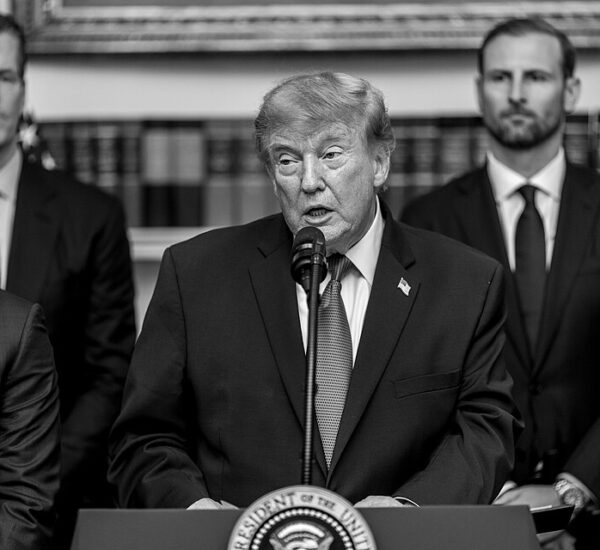
Speaking from the Oval Office, Trump made it clear he believes the pressure is working.
Rather than rushing into another prolonged military conflict, the administration is using economic and strategic force to push Iran toward surrendering its nuclear ambitions — a move many conservatives see as strong, calculated leadership.
At the same time, reports suggest military options remain on the table, including a potential short, targeted strike campaign if Iran refuses to back down.
This combination of economic pressure + military readiness is exactly what’s fueling uncertainty in oil markets — and driving prices higher.
Gas Prices Spike Across the U.S.
For everyday Americans, the impact is immediate — and painful.
According to the American Automobile Association, the national average price for regular gasoline has jumped to $4.30 per gallon, up sharply from $4.03 just one week ago.
That kind of increase hits hardest for:
- Retirees on fixed incomes
- Working families commuting daily
- Small businesses relying on transportation
And experts warn this may only be the beginning.
Why Rising Oil Prices Affect Everything
Higher oil prices don’t just impact gas — they ripple through the entire economy.
Outgoing Federal Reserve Chairman Jerome Powell warned that Americans should expect rising costs across multiple sectors, including:
- Airline tickets
- Groceries and shipping
- Manufacturing and goods
- Home heating and utilities
When oil prices surge, inflation often follows — and that means higher costs for nearly everything.
Strong Leadership or Economic Risk?
Supporters of President Trump argue that confronting Iran head-on is necessary to protect American security and prevent a nuclear threat.
Critics, however, point to rising fuel prices as a growing concern for households already stretched thin.
But one thing is clear: America’s energy policy and national security are now deeply connected — and decisions made in Washington are having real-world consequences at gas stations across the country.
What Happens Next?
With tensions still high and no long-term resolution in sight, oil markets remain on edge. Any escalation — or breakthrough — could send prices sharply higher or lower in the days ahead.
For now, Americans should prepare for continued volatility, especially when it comes to gas prices and everyday expenses.


Now Pres. Trump needs to work on getting the oil prices down.