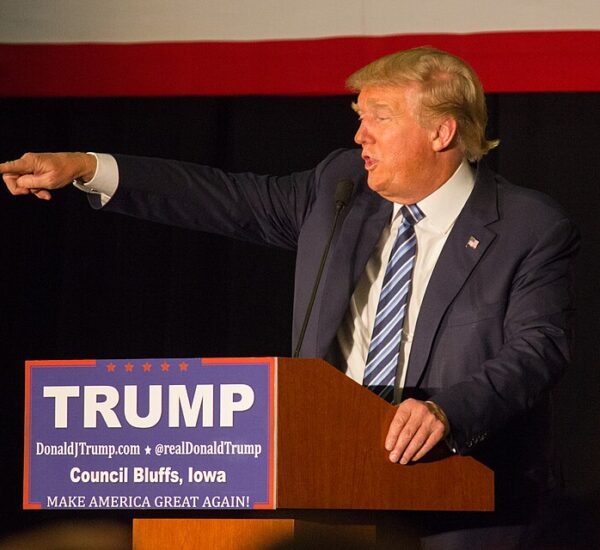
Trump Calls Out German Leaders
President Donald Trump strongly pushed back Tuesday after German Chancellor Friedrich Merz criticized the United States over ongoing tensions with Iran.
The sharp exchange drew international attention as Trump defended America’s negotiating position and warned about the dangers of allowing Iran to gain nuclear weapons capability.
Trump Responds to Merz Remarks
In a post on Truth Social, President Trump rejected Merz’s suggestion that the United States was being embarrassed by Iran.
Trump said the German leader was wrong to imply Iran could be trusted with nuclear power ambitions. He warned that if Iran ever obtained a nuclear weapon, the consequences could threaten global peace and security.
The president also argued that previous world leaders failed to confront Iran effectively, saying stronger action should have happened years ago.
Trump then criticized Germany’s current economic struggles, suggesting the country faces growing problems at home while lecturing others abroad.
German Chancellor Questions U.S. Strategy
Speaking to students in Germany, Merz claimed the United States lacked a clear strategic plan regarding Iran. He said Iranian leaders were using delay tactics during negotiations while frustrating American efforts.
Merz also warned that entering military conflicts is easier than ending them successfully. He pointed to past wars in Afghanistan and Iraq as cautionary examples.
Germany Offers Support After Fighting Ends
Merz said Germany would be willing to send minesweepers to help reopen the Strait of Hormuz once hostilities stop.
The Strait of Hormuz remains one of the most important shipping routes in the world, making stability in the region critical for global energy markets and economic confidence.
Trump Calls on Allies to Do More
President Trump has recently urged several European nations, including Germany, Spain, and the United Kingdom, to contribute more during the Iran crisis.
Many conservatives have long argued that America shoulders too much of the burden while wealthy allies hesitate to act decisively.
Negotiations Continue Behind the Scenes
Reports indicated special envoy Steve Witkoff and former adviser Jared Kushner were expected to travel to Pakistan for talks, but Trump canceled the trip after reviewing Iran’s latest proposal.
The president later said Iran submitted a revised offer that was stronger than its original response.
Iran Reportedly Facing Internal Pressure
Trump said Iranian officials informed the United States they are in a “state of collapse” and want the Strait of Hormuz reopened quickly as they sort out leadership issues.
If accurate, the statement could signal growing pressure inside Iran as sanctions, unrest, and regional instability continue to mount.
Why This Matters
The dispute highlights a larger divide between President Trump and some European leaders over how to handle hostile regimes.
Supporters say Trump’s approach of pressure, strength, and direct negotiation sends a clear message that America will not be pushed around.
With tensions still high, many voters will be watching whether firm leadership can deliver stability without another prolonged conflict.