Trump Approves 10-Day Fix
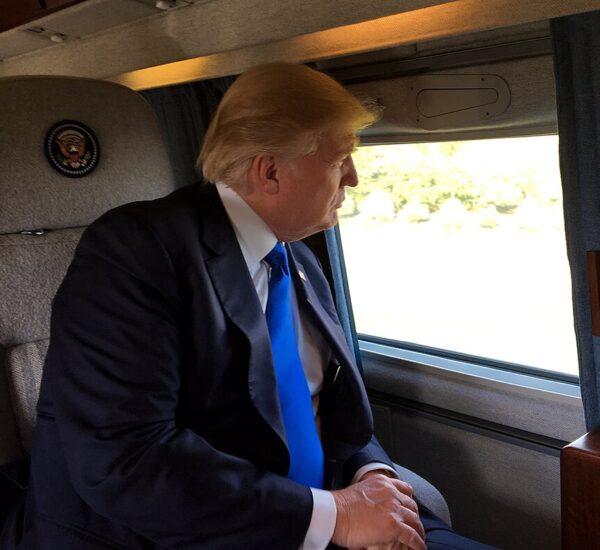
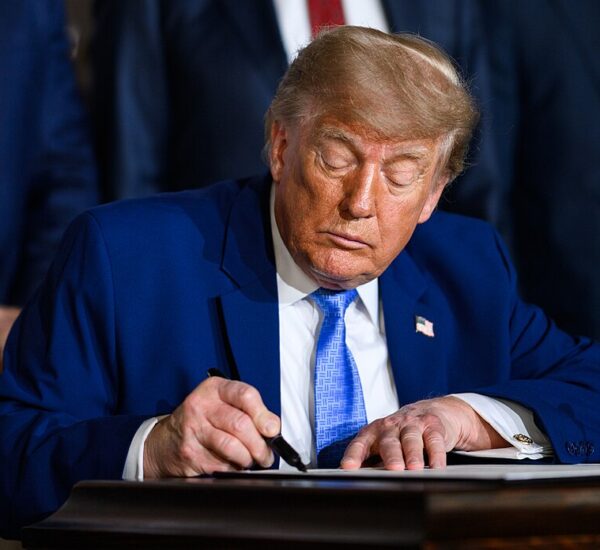
President Donald Trump has stepped in to prevent a major national security lapse, signing a 10-day emergency extension of a powerful surveillance tool after Republicans in Congress failed to reach agreement on a long-term plan.
The move keeps Section 702 of the Foreign Intelligence Surveillance Act alive through April 30—but the political battle surrounding it is far from over.
Why This Surveillance Program Matters to Americans
Section 702 allows U.S. intelligence agencies—including the NSA, FBI, and CIA—to monitor foreign threats overseas without individual warrants.
Supporters say it is one of the most important tools the U.S. has to:
- Track terrorism plots
- Stop cyberattacks
- Monitor hostile regimes like China and Iran
But here’s the concern: Americans can get caught in the dragnet.
When U.S. citizens communicate with foreign targets, their data can be collected—and later searched by federal agencies.
Conservatives Split: Security vs. Privacy Rights
President Trump and House Speaker Mike Johnson pushed hard for a clean 18-month extension, warning that weakening surveillance tools could put the country at risk.
CIA Director John Ratcliffe personally briefed lawmakers, emphasizing the stakes.
Trump didn’t mince words, telling supporters the military and intelligence community “desperately need FISA 702.”
But many conservatives weren’t convinced.
A bloc of Republican lawmakers demanded stronger protections for Americans—especially requiring warrants before the FBI can search U.S. citizens’ data.
Late-Night Chaos on Capitol Hill
Lawmakers scrambled late into the night:
- A five-year extension with reforms failed
- A clean 18-month extension also collapsed
- Roughly 20 Republicans broke ranks
With the deadline hours away, Congress rushed through a temporary 10-day fix just after 2 a.m.
The Senate quickly approved it, and President Trump signed it into law—avoiding a shutdown of critical intelligence operations.
FBI Surveillance Controversy Still Looms
At the center of the fight is one key issue:
👉 Should the FBI need a warrant to search Americans’ data?
Past rulings from the Foreign Intelligence Surveillance Court revealed serious misuse, including searches tied to:
- Political protests
- January 6 investigations
That history has fueled growing distrust among conservatives who fear government overreach.
What Happens Next Could Be Critical
Senate Majority Leader John Thune signaled the Senate may take control of the process, possibly pushing a three-year extension.
But the clock is ticking.
If Congress fails to act by April 30:
- The program could face legal challenges
- Telecom companies may resist cooperation
- Intelligence operations could enter uncertain territory
The Bigger Picture for America
This isn’t just another Washington fight.
It’s a defining debate about:
- National security vs. personal freedom
- Government power vs. constitutional rights
- How far surveillance should go in modern America
President Trump has made it clear where he stands—prioritizing strong intelligence capabilities to keep the country safe.
Now, Congress must decide whether it can deliver a solution that protects both security and liberty.
Bottom Line
The short-term extension may have avoided immediate danger—but it also exposed a growing divide inside the Republican Party.
And with just days left, the next move could have long-lasting consequences for every American.