Trump Releases Federal Funding
The Trump administration has approved the release of federal funding for New York’s long-awaited Second Avenue subway expansion—but only after securing new safeguards aimed at protecting taxpayers.
The agreement ensures that money flowing to the Metropolitan Transportation Authority (MTA) will not be used for controversial diversity, equity, and inclusion (DEI) programs that federal officials say can increase costs and raise legal concerns.
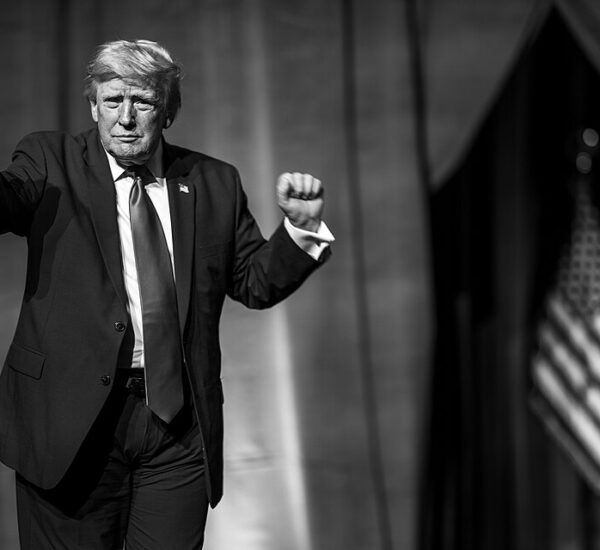
A spokesperson for the U.S. Department of Transportation confirmed that President Donald Trump and Transportation Secretary Sean Duffy signed off on the deal after negotiating new terms.
“This agreement is about protecting American taxpayers and ensuring every dollar is spent efficiently and fairly,” the spokesperson said. “It also prevents funding from being directed toward unconstitutional DEI programs, including race- and sex-based contracting.”
Why Funding Was Initially Frozen
The dispute began when the administration paused billions in federal transportation funding tied to New York projects, including the subway expansion and the Hudson Tunnel.
Russell Vought, director of the Office of Management and Budget, previously explained that nearly $18 billion was put on hold to ensure funds were not being distributed based on DEI policies rather than merit-based standards.
The move sparked a legal challenge from New York officials, who argued the funding freeze was unjustified.
Legal Pressure Leads to New Agreement
After filing a lawsuit, New York officials said they adjusted policies to comply with updated federal guidelines. That ultimately led to Thursday’s agreement to restore funding—with conditions.
Governor Kathy Hochul praised the outcome, while Senate Minority Leader Chuck Schumer also claimed victory.
However, the final agreement reflects the administration’s core demand: federal funds must be used based on fairness, legality, and cost-efficiency—not political priorities.
What This Means for the Second Avenue Subway
The Second Avenue subway expansion has been planned for decades and is considered one of New York City’s most important infrastructure projects.
The current phase will extend the Q line into East Harlem, adding three new stations and improving service for thousands of daily commuters.
Officials estimate the expansion could be completed by 2032.
The Bigger Picture: Accountability in Federal Spending
This agreement highlights a broader policy approach under President Trump—tying federal funding to strict oversight and fiscal responsibility.
Supporters say the move ensures taxpayer dollars are protected, while critics argue it limits state flexibility. Either way, the deal signals a clear shift toward tighter federal control over how infrastructure money is spent.
Final Takeaway
The funding is moving forward—but not without conditions.
For taxpayers, that means a major infrastructure project will continue, while federal officials keep a closer watch on how billions in public funds are used.