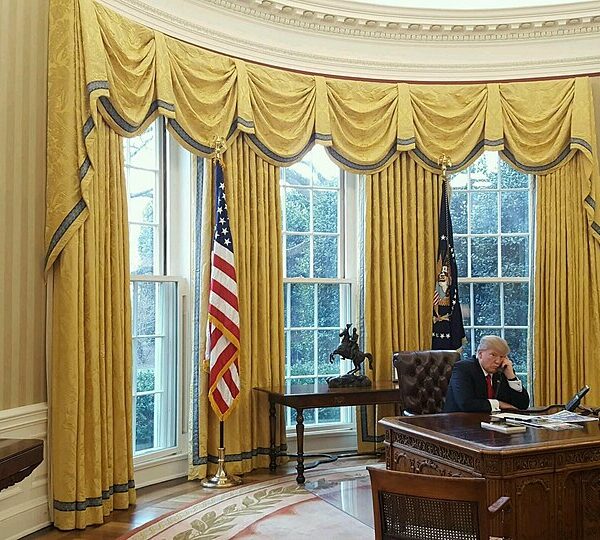
A high-stakes diplomatic effort led by President Donald Trump could reshape the future of U.S.-Iran relations — and potentially bring an end to escalating Middle East tensions.
But the proposal comes with a controversial twist.
$6 Billion Deal on the Table — With a Bigger Goal
According to sources familiar with the negotiations, the United States is considering releasing $6 billion in frozen Iranian assets as part of an initial agreement to de-escalate the conflict.
Even more striking, the total relief package could eventually reach $20 billion — but only if Iran meets strict, multi-phase conditions over time.
The funds in question come from Iranian oil revenues previously held in South Korea and currently secured in Qatar.
America First Strategy: No Blank Checks
Unlike past administrations, this deal is structured to protect U.S. interests at every step.
The plan would roll out over two to three years, ensuring Iran earns access to funds only by meeting clearly defined requirements. Any additional financial relief would depend entirely on full compliance.
At this stage, officials have not publicly disclosed the exact conditions — but one issue remains front and center: Iran’s nuclear program.
Trump Draws a Hard Line on Nuclear Weapons
President Trump made it crystal clear that America will not pay for nuclear concessions.
In a forceful statement on Truth Social, he emphasized that the U.S. expects to secure nuclear materials without handing over taxpayer dollars.
“The U.S.A. will get all Nuclear ‘Dust’… No money will exchange hands in any way, shape, or form.”
The message is unmistakable: no compromise when it comes to nuclear weapons.
For many Americans, especially those concerned about national security, this firm stance reinforces Trump’s long-standing commitment to preventing Iran from developing nuclear capabilities.
Urgent Talks Could Happen Within Days
Behind closed doors, diplomatic activity is accelerating.
U.S. and Iranian officials are working through intermediaries to finalize details, with a potential second round of negotiations expected in Islamabad, Pakistan.
Reports suggest the meeting could take place within days, signaling growing urgency to reach a deal.
President Trump is said to be optimistic that a breakthrough is within reach — though final travel arrangements are still being worked out.
White House Pushes Back on Media Speculation
The administration is also warning Americans to take anonymous reports with caution.
White House deputy spokeswoman Anna Kelly stressed that only official statements should be trusted as negotiations continue.
“Productive conversations with Iran continue, but we will not negotiate through the press,” she said.
Why This Matters for America
This potential agreement could have major implications for:
- U.S. national security
- Oil and gas prices
- Stability in the Middle East
- America’s global leadership
For older Americans who remember decades of tension with Iran, the stakes are especially significant.
The Bottom Line
President Trump is pursuing a high-risk, high-reward strategy: offering limited financial relief in exchange for long-term security gains.
Whether Iran agrees to the terms — especially on nuclear restrictions — will determine if this deal becomes a historic breakthrough or another failed negotiation.
One thing is certain: the outcome could shape global politics for years to come.