Democrats Keep Pressing Forward
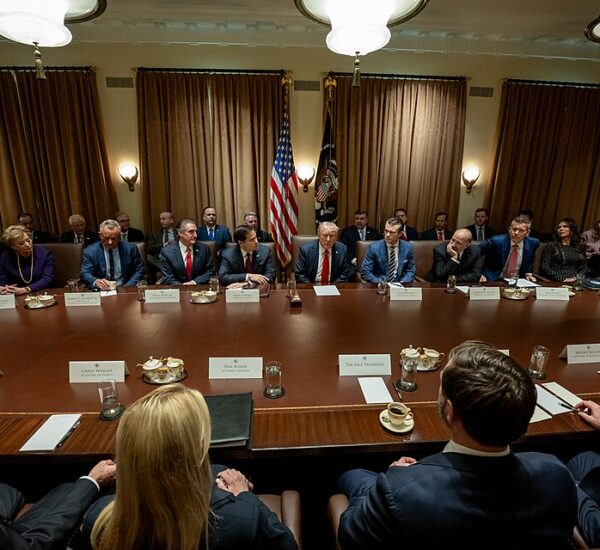
A group of House Democrats is ramping up efforts to challenge President Donald Trump’s authority to take future military action against Iran—despite strong Republican opposition and growing support for the president’s leadership.
Their new strategy? Force repeated votes in Congress until they get their way.
Democrats Target Trump’s Iran Strategy
The push centers on a war powers resolution introduced by Gregory Meeks, which would require congressional approval before any additional U.S. military action involving Iran.
Democrats argue Congress should have more control over decisions that could pull America deeper into conflict. But critics say the move risks weakening the president’s ability to respond quickly to threats.
“This is not a minor operation—this is war,” Meeks said, warning lawmakers not to simply approve military actions without scrutiny.
Republicans Reject Measure, Back Trump
The House narrowly voted down the resolution 213–214, highlighting just how divided Washington remains.
Only one Democrat, Jared Golden, sided with Republicans to oppose the measure. Meanwhile, Thomas Massie was the only Republican to support it, and Warren Davidson voted present.
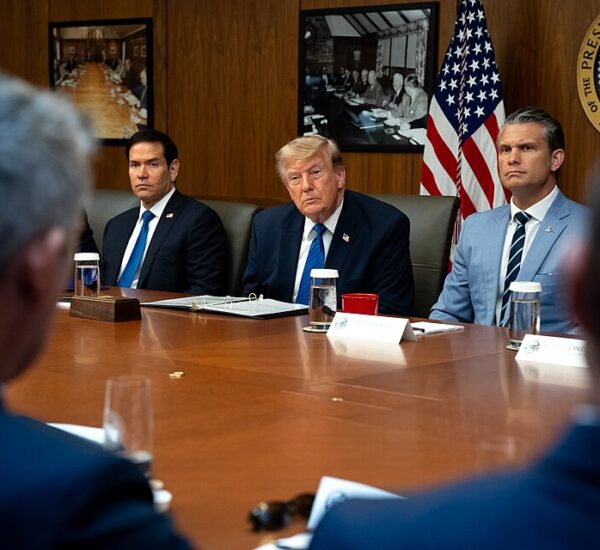
Republican leaders made it clear they stand firmly behind President Trump.
House Majority Whip Tom Emmer praised the administration’s recent military actions, calling them one of the most effective operations in modern history given the scale of the threat.
He pointed to dangers posed not just to U.S. troops, but to the homeland and global stability.
New Strategy: Force Vote After Vote
Despite the defeat, Democrats aren’t backing down.
Lawmakers within the progressive wing are now discussing a tactic to repeatedly introduce the same resolution—forcing continuous votes and keeping pressure on Republicans.
Susie Lee said she supports the idea, while Jared Moskowitz made his position clear: he’ll vote for it “as many times as necessary.”
Sources say the plan is still developing, but momentum is growing among Democrats determined to challenge Trump’s authority on Iran.
Middle East Tensions and Ceasefire Developments
At the same time, tensions in the Middle East remain high.
A 10-day ceasefire has begun involving Israel and forces operating out of Lebanon, a move President Trump announced as part of broader efforts to stabilize the region after weeks of intense fighting.
While Israel’s conflict has primarily been with the Iranian-backed Hezbollah terrorist group—not the Lebanese government itself—the temporary truce could open the door for further negotiations.
What This Means for Americans
For many Americans—especially those concerned about national security—the debate comes down to a simple question:
Should the president have the flexibility to act quickly against threats like Iran, or should Congress have the final say?
Republicans argue that strong, decisive leadership is critical in dangerous times. Democrats, meanwhile, are pushing for more oversight—even if it means repeated political battles in Washington.
The Bottom Line
This fight is far from over.
With Democrats preparing to force vote after vote, and Republicans standing firmly behind President Trump, the battle over war powers, Iran, and America’s role in the Middle East is only heating up.
And as global tensions continue, the stakes couldn’t be higher.