This was unexpected.
Liberal Justice Sounds Alarm as Court Delivers Key Wins for Trump Agenda
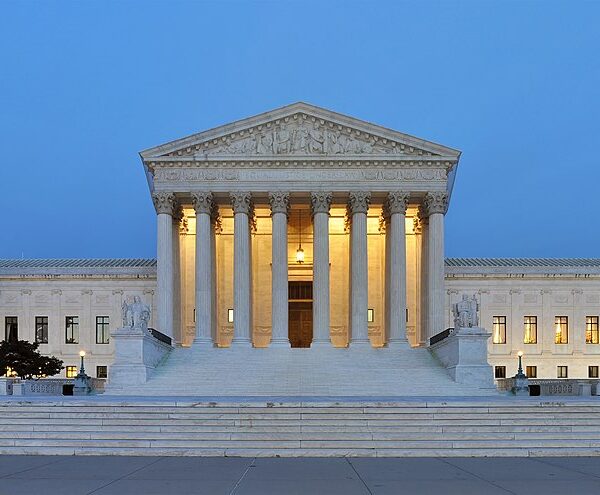
Supreme Court Justice Ketanji Brown Jackson is facing backlash after launching a sharp critique of the Supreme Court’s conservative majority—just as the court continues handing important legal victories to President Donald Trump.
In a speech at Yale Law School, Jackson took aim at what’s known as the court’s “emergency docket,” accusing her colleagues of issuing rushed decisions that she claims could damage public trust.
But for many conservatives, the real issue isn’t the court—it’s the growing number of activist rulings from lower courts that have tried to block Trump’s policies.
Supreme Court Steps In as Lower Courts Block Trump
The Supreme Court’s emergency docket has become a critical tool in recent years, allowing justices to act quickly when lower courts issue nationwide injunctions.
That matters now more than ever.
The Trump administration has faced a flood of legal challenges, with critics using the courts to stall key policies on immigration, national security, and federal authority.
In multiple cases, the Supreme Court’s conservative majority has stepped in—often siding with Trump and allowing those policies to move forward.
Supporters say that’s not controversial—it’s necessary.
Jackson Calls Decisions “Problematic”
Jackson, a Biden appointee, argued that some of these emergency rulings lack detailed explanations and could appear inconsistent.
She warned that quick decisions without lengthy opinions might leave Americans questioning how the court reached its conclusions.
At one point, she suggested that some rulings could come across as “irrational,” a comment that quickly drew attention from legal observers and political commentators.
Still, Jackson insisted she wasn’t trying to eliminate the emergency docket entirely—but rather to limit its modern use.
Conservatives See a Different Problem
Many conservatives see things very differently.
They argue the Supreme Court is acting as a necessary check on what they call “rogue” lower court judges—federal judges who issue sweeping rulings that block policies nationwide.
Without intervention from the high court, they say, a single district judge could effectively override a sitting president’s agenda.
That’s where the emergency docket comes in.
Instead of waiting months—or even years—for cases to play out, the Supreme Court can step in quickly to restore legal balance.
Big Wins for Trump Policies
Through these fast-track rulings, the Supreme Court has already allowed several key Trump policies to proceed, including:
- Immigration enforcement actions
- Limits on nationwide injunctions
- Federal workforce decisions
- Military-related policy changes
While the court hasn’t ruled in Trump’s favor every time, the overall trend has been clear: the conservative majority is willing to step in when lower courts overreach.
Growing Divide Inside the Court
Jackson also argued that frequent intervention by the Supreme Court could undermine lower court judges, suggesting it sends a message that their decisions don’t carry weight.
But critics pushed back, noting that lower courts themselves have increasingly issued broad rulings with national impact—forcing the Supreme Court to respond.
The clash highlights a deeper divide within the judiciary over how much power courts should have—and how quickly that power should be exercised.
What This Means Moving Forward
With major legal battles still ahead, the Supreme Court’s role will remain front and center—especially as Trump continues pushing forward with his agenda.
For supporters, the court’s conservative justices are doing exactly what they were appointed to do: uphold the Constitution and rein in judicial overreach.
For critics like Jackson, the concern is about process and perception.
But one thing is certain—this fight over the Supreme Court is far from over.