
Ships Moving Despite Trump’s Blockade
Growing tensions in the Middle East are raising fresh concerns for global security and energy markets, as several Iran-linked ships attempted to pass through the critical Strait of Hormuz—even after the United States imposed a military blockade.
Iran-Linked Ships Challenge U.S. Blockade
Maritime tracking data shows that at least three vessels departing Iranian ports managed to cross the Strait of Hormuz shortly after the U.S. blockade began Monday afternoon. In total, seven ships connected to Iran were detected moving through the region.
Among them was the bulk carrier Christianna, which had just delivered roughly 74,000 tons of corn to Iran’s Bandar Imam Khomeini port. After unloading, it traveled through the strait near Larak Island and into open waters.
Another vessel, the tanker Elpis, transported around 31,000 tons of methanol from Iran’s Bushehr port and also successfully exited the strait.
A third ship, Argo Maris, was identified as part of the group—suggesting a coordinated attempt to test U.S. enforcement in one of the world’s most strategically important waterways.
Ships Turn Back as Pressure Mounts
Despite early crossings, several vessels abruptly reversed course after entering the Gulf of Oman.
The Christianna turned around while heading toward Oman, while a Chinese-linked tanker, Rich Starry, also changed direction mid-journey. Its final destination remains unknown.
Experts warn that tracking ship movements in the region has become increasingly difficult due to signal interference and possible manipulation during the ongoing conflict.
U.S. Military Says Blockade Is Working
U.S. officials are standing firm, insisting the blockade remains effective.
According to U.S. Central Command (CENTCOM), American forces stopped at least six vessels from leaving Iranian ports within the first 24 hours. Those ships reportedly complied with orders and turned back before reaching open waters.
Military leaders emphasized that enforcement applies to all ships—regardless of country—attempting to enter or exit Iranian ports along both the Arabian Gulf and Gulf of Oman.
Why the Strait of Hormuz Matters to Americans
The Strait of Hormuz is one of the most important shipping routes in the world, responsible for moving a significant portion of global oil supplies.
Any disruption in this narrow passage can:
- Drive up gas prices in the United States
- Impact retirement portfolios and investments
- Threaten global stability and U.S. national security
With tensions rising, many Americans—especially those on fixed incomes—could feel the economic effects quickly.
Stronger U.S. Response Under President Trump
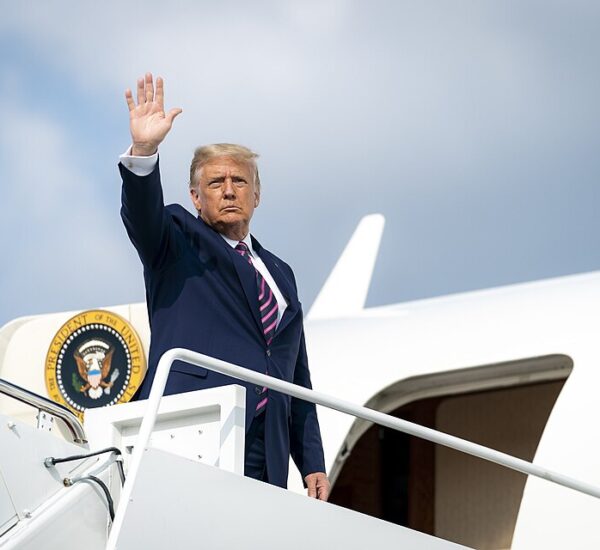
After earlier diplomatic efforts failed, the United States—under Donald Trump—has taken a more aggressive stance, implementing a full military-backed blockade to counter Iranian actions.
Iran initially restricted access to the strait following military strikes on February 28, escalating the conflict and raising fears of a broader regional crisis.
Sanctioned Ships Add to Concerns
Several of the vessels involved, including Elpis and Rich Starry, are already under U.S. sanctions due to ties with Iran.
Other ships identified include:
- Manali, a bulk carrier with past Iran activity
- Kashan, an Iranian-flagged container ship under sanctions
- Moshtari, another Iranian cargo vessel operating near the strait
Bottom Line: A High-Stakes Showdown
While some ships initially slipped through, the U.S. military says its blockade is holding—and sending a clear message.
This is more than a regional dispute. It’s a high-stakes test of American strength, global trade stability, and energy security.
As the situation unfolds, the Strait of Hormuz could become one of the most critical flashpoints in the world—and one that directly impacts Americans at home.

Keep everything tight so the Iranians will capitulate. Regards Gsry