Trump Says There’s No Back Up Plan
President Donald Trump is projecting confidence as the United States enters another critical phase of negotiations with Iran—making it clear he believes America holds the upper hand.
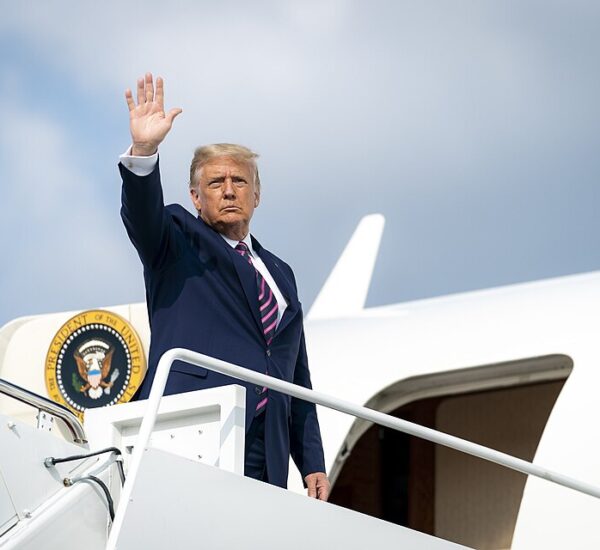
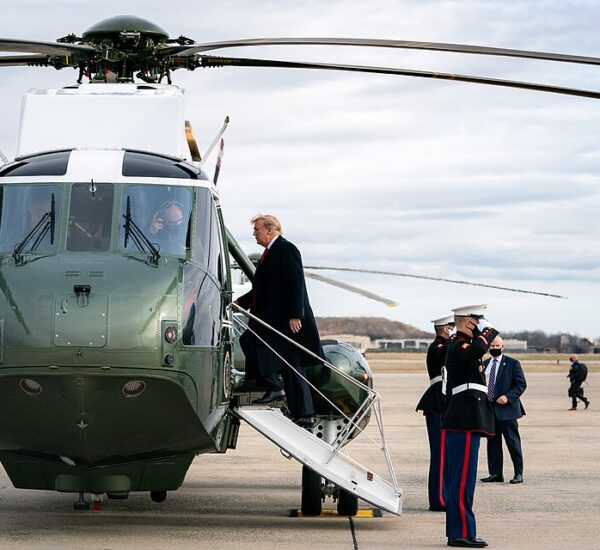
Speaking to reporters before departing Washington, Trump dismissed concerns about the talks collapsing, signaling a firm, no-nonsense approach.
“You don’t need a contingency plan,” Trump said. “Their military capabilities have been effectively wiped out—we’ve significantly weakened nearly everything they had.”
U.S. Officials Head Into Critical Iran Negotiations
Vice President JD Vance is now traveling to Pakistan alongside key Trump allies, including Steve Witkoff and Jared Kushner, for another round of high-stakes discussions.
Their goal is to stabilize a fragile ceasefire and push toward a long-term agreement.
However, behind the scenes, officials acknowledge the situation remains tense and uncertain.
Ceasefire Disputes Raise Serious Concerns
The current ceasefire, which has lasted just two weeks, is already showing signs of strain.
At the center of the dispute is whether the agreement includes Israel’s conflict with Hezbollah.
- Iran and regional leaders argue the ceasefire must include Lebanon
- The U.S. and Israel firmly reject that claim
This disagreement has created confusion, leaving multiple interpretations of what the ceasefire actually covers—an issue that could derail negotiations at any moment.
Iran’s Demands Complicate the Deal
Iran is reportedly pushing for additional concessions before agreeing to a broader deal, including:
- Ending military activity in Lebanon
- Releasing frozen Iranian assets held overseas
U.S. officials see these demands as unrealistic and outside the scope of current talks, making a final agreement harder to reach.
Strait of Hormuz Tensions Impact Global Oil Markets
Another major concern is instability in the Strait of Hormuz, one of the most important shipping lanes in the world.
Oil traffic has not fully returned to normal, keeping global energy markets on edge.
President Trump delivered a clear warning:
“The Strait of Hormuz will be opened, with or without Iran.”
That statement signals the administration’s willingness to take decisive action to protect global trade and prevent disruptions that could impact American consumers.
Trump Signals Strength as Military Pressure Remains
Despite ongoing negotiations, Trump emphasized that military pressure remains a key factor.
“I think it’s going to go pretty quickly,” he said. “And if it doesn’t, we’ll be able to finish it off.”
He also pointed to what he described as the dismantling of Iran’s military capabilities, reinforcing his administration’s hardline stance.
Defense Secretary Pete Hegseth has echoed that message, stressing that this approach avoids the prolonged conflicts seen under George W. Bush and Barack Obama.
Uncertainty Still Looms Over Final Outcome
Even with strong messaging from the White House, some officials have acknowledged that the final outcome remains unclear.
Special envoy Steve Witkoff has previously admitted he does not know how the situation will ultimately be resolved.
That uncertainty highlights just how fragile the current framework is.
What Happens Next Could Shape the Region
With multiple high-stakes issues still unresolved—including ceasefire terms, regional conflicts, sanctions, and global shipping security—the coming days will be critical.
A single breakdown in negotiations could shift the entire trajectory of the situation.
For now, President Trump is signaling confidence—and making it clear that, in his view, the United States is negotiating from a position of strength.