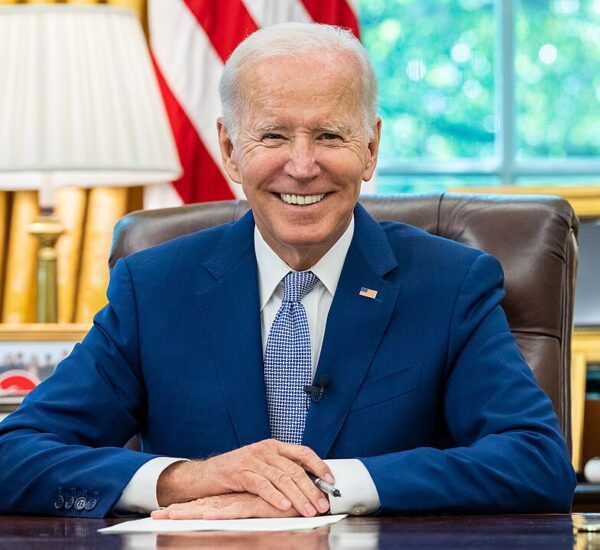
All eyes on Vance.
A high-stakes diplomatic showdown is unfolding overseas—and President Donald Trump is watching closely as his administration pushes for a breakthrough that could reshape the Middle East.
Vice President JD Vance led a powerful U.S. delegation into Islamabad this weekend for urgent face-to-face talks with Iranian officials, aiming to bring an end to a six-week war that has disrupted global oil markets and raised fears of a wider regional conflict.
Why This Meeting Could Change Everything
At the center of the բանակցations is control of the critical Strait of Hormuz—one of the most important energy corridors in the world.
With oil shipments restricted since the fighting began, global markets—and American consumers—are feeling the pressure.
At the same time, the Trump administration is demanding strict limits on Iran’s nuclear program to prevent the regime from ever developing a nuclear weapon.
This isn’t just another meeting. It’s a potential turning point.
First Direct Talks in Years
This historic sit-down marks the highest-level meeting between the U.S. and Iran since the Iranian Revolution—and the first direct engagement in more than a decade following the controversial Iran Nuclear Deal.
For many Americans, the contrast is clear: where past administrations pursued deals, Trump is pushing for strength and results.
Key Players Behind Closed Doors
Vice President Vance was joined by top Trump allies, including Special Envoy Steve Witkoff and senior advisor Jared Kushner.
Across the table sat Iran’s leadership team, led by Mohammad Baqer Qalibaf and Abbas Araqchi.
The talks, held at Islamabad’s Serena Hotel with Pakistan acting as mediator, quickly turned tense.
Inside the Heated Negotiations
Sources described the discussions as volatile, with emotions running high and positions hardening.
“There were serious mood swings. The temperature of the room kept changing,” one source revealed.
Iran is reportedly demanding:
- Control over the Strait of Hormuz
- Financial compensation
- A broader ceasefire deal including Lebanon
Meanwhile, the Trump administration remains focused on:
- Restoring free oil flow
- Crippling Iran’s nuclear capabilities
Trump Sends a Clear Warning
President Trump made it clear the United States is prepared for any outcome.
“We’re ready to go,” he said in a phone interview, signaling that America will not be pushed around if negotiations collapse.
That message is resonating strongly with supporters who favor a firm, America-first approach to foreign policy.
What Happens Next?
Talks stretched late into the night, with negotiators racing to reach even a basic framework.
Iranian state media suggested this could be a make-or-break moment.
At the same time, additional peace talks involving Israel and Lebanon are already scheduled in Washington—showing just how serious the situation has become.
The Bottom Line
With global oil supplies, national security, and stability in the Middle East all on the line, this meeting could define the next phase of Trump’s foreign policy legacy.
One thing is certain: the world is watching—and the stakes couldn’t be higher.