
This was unexpected but needed for President Trump.
In a surprising political twist, John Fetterman is breaking with many in his party by defending Donald Trump following recent U.S. military action targeting Iran’s nuclear capabilities.
The Pennsylvania Democrat’s comments are drawing national attention as tensions in the Middle East continue to rise—and as debate intensifies in Washington over America’s role abroad.
Fetterman: Strength Against Iran Sends a Clear Message
During an appearance on Fox News, Fetterman suggested that decisive military action may be the only language Iran’s leadership understands.
“Historically, the Iranian regime responds to strength,” Fetterman said. “Recent actions have significantly disrupted their nuclear ambitions.”
Reports indicate that coordinated strikes—alongside Israeli operations—have damaged key nuclear facilities and removed several individuals tied to Iran’s weapons development efforts.
Fetterman emphasized that these developments could slow Iran’s progress and improve global stability, even as concerns remain about existing nuclear materials.
Support for U.S. Military Mission
Fetterman also voiced opposition to calls from some Democrats to limit the president’s authority through a new war powers vote.
According to him, shifting course too early could weaken the effectiveness of ongoing operations.
“We need to support our military and allow them to complete their mission,” he said.
His position highlights a growing divide within the Democratic Party, with some lawmakers prioritizing national security outcomes while others focus on congressional oversight.
Democrats Push Back on Trump’s Iran Strategy
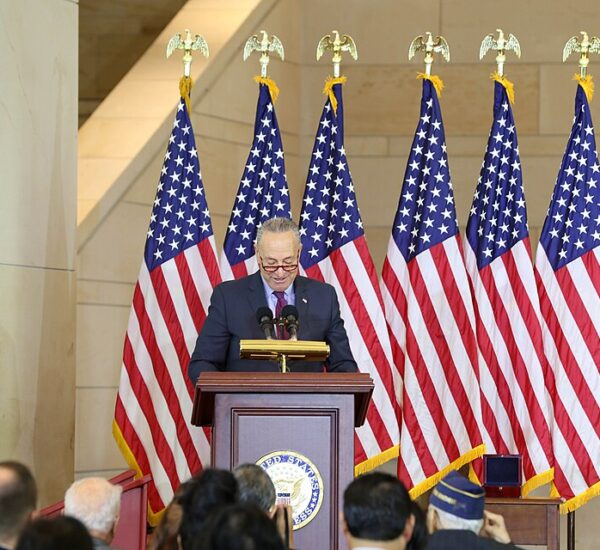
Meanwhile, Chuck Schumer and other Democratic leaders are raising concerns about escalation and long-term strategy.
Schumer announced plans to push for a vote aimed at reasserting Congress’s role in military decisions.
“Iran still maintains elements of its nuclear program,” Schumer said. “We need clarity on the path forward.”
Several Democrats have described the situation as a risky expansion of U.S. involvement in the region, warning of potential consequences if tensions continue to rise.
Growing Divide in Washington Over Iran Policy
The contrast between Fetterman and other Democrats underscores a broader debate in Washington over how best to handle Iran.
Key questions remain:
- Should the U.S. prioritize military deterrence or diplomacy?
- How much authority should the president have in launching operations?
- What is the long-term strategy for preventing nuclear escalation?
For many Americans—especially older voters concerned about national security—these issues are front and center.
What This Means Moving Forward
Fetterman’s stance signals that support for a tougher approach to Iran is not limited to one party. As global tensions evolve, bipartisan agreement on national security could become increasingly important.
At the same time, ongoing disagreements in Congress suggest the debate is far from over.
With the situation still developing, Americans can expect continued discussion around U.S. foreign policy, military strategy, and leadership on the world stage.


Fetterman is the only Democrat that has brains and smarts. I feel he is an intelligent person….Differently Not the rest of the moron Demo Rats..