This was a wild way for the mainstream media to twist this.
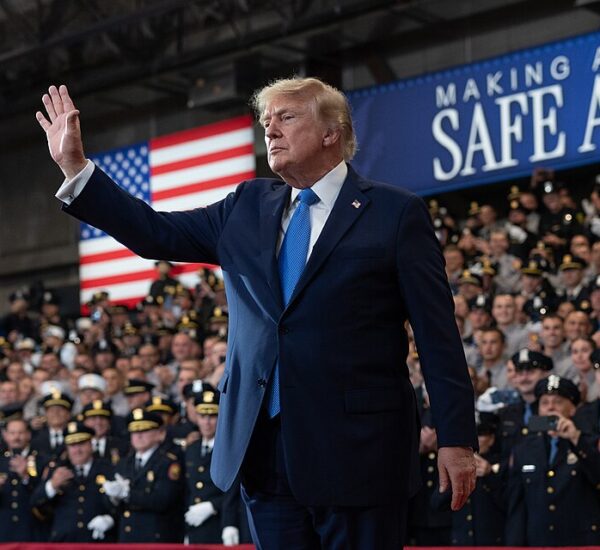
A new report from the Financial Times is drawing attention after suggesting that President Donald Trump privately sought help from Pakistan to broker a ceasefire with Iran.
But before jumping to conclusions, many observers are asking an important question: Is this really weakness—or smart leadership behind the scenes?
Behind the Headlines: What the Report Claims
According to the report, the Trump administration had been working quietly for weeks to reduce tensions with Iran, particularly due to growing concerns over global energy markets.
At the center of the issue is the Strait of Hormuz—a vital النفط shipping route that directly impacts fuel prices here at home. Any disruption there can quickly hit American families, especially retirees and those on fixed incomes.
Sources cited in the report claim that Pakistan stepped in as a mediator, with Army Chief Asim Munir reportedly communicating with both U.S. and Iranian officials.
Those discussions allegedly included key figures such as:
- Steve Witkoff
- JD Vance
- And President Trump himself
Strong Public Stance, Quiet Private Strategy
While critics are portraying this as a contradiction, many foreign policy experts see something entirely different.
President Trump has long used a “peace through strength” approach—speaking firmly in public while leaving room for negotiation behind closed doors.
This strategy isn’t new. In fact, it has been used by multiple administrations to:
- Avoid unnecessary wars
- Protect American economic interests
- Maintain leverage over adversaries
Just days ago, Trump made his position clear:
“They are begging to make a deal, not me… They’re begging to work out a deal.”
Supporters argue that applying pressure publicly while negotiating privately is not weakness—it’s how strong deals are made.
Why This Matters for Everyday Americans
For many Americans—especially those over 50—foreign policy isn’t just about headlines. It’s about real-world impact.
Instability in the Middle East can lead to:
- Higher gas prices
- Increased cost of living
- Market uncertainty affecting retirement savings
By working to stabilize the situation, even quietly, the administration may be aiming to protect American wallets first.
Talks in Pakistan: What Comes Next?
Reports indicate that potential discussions between U.S. and Iranian officials could take place in Islamabad.
However, tensions remain fragile. Iranian leadership has already suggested that ceasefire conditions may have been violated, raising concerns about whether any agreement will hold.
That leaves many Americans wondering: Is this the beginning of a breakthrough—or just another round of global posturing?
The Bottom Line
The media narrative may focus on the word “begging,” but the bigger picture tells a more complex story.
Behind the scenes, diplomacy often looks very different than public statements. And in high-stakes situations like this, multiple strategies are often used at once.
For supporters of President Trump, this may reinforce a familiar belief: strength doesn’t always mean avoiding negotiation—it means controlling it.