Trump Holding Key Meeting
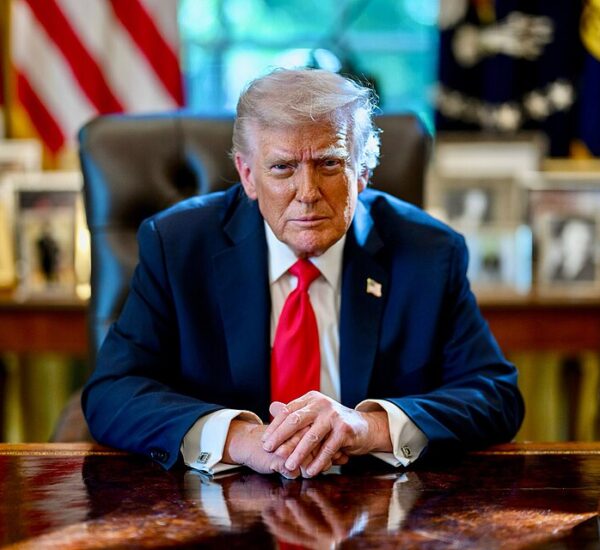
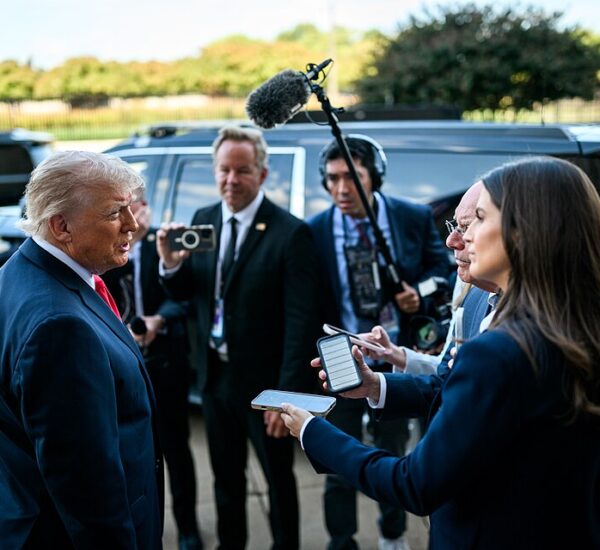
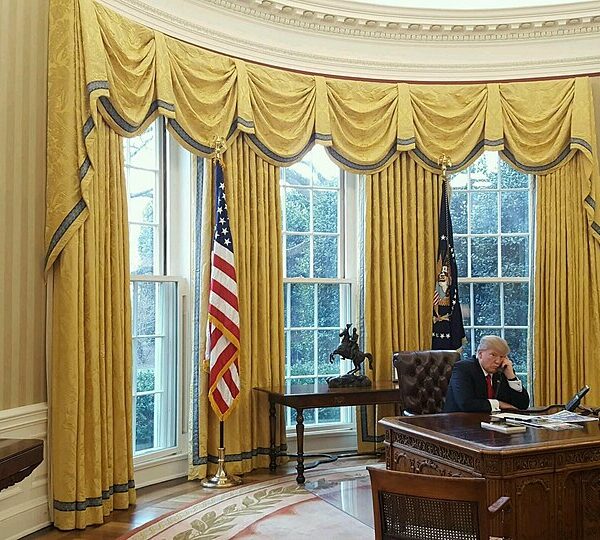
President Trump is preparing for a high-stakes meeting with NATO Secretary-General Mark Rutte in Washington next week—at a time when America’s role in the alliance is facing serious new scrutiny.
While officials say the meeting was scheduled in advance, its timing couldn’t be more significant. With tensions rising in the Middle East and global energy routes under threat, President Trump is making it clear: the United States may no longer carry the weight of defending other nations.
America First: Trump Pressures NATO Allies
The growing debate comes as several NATO countries have been slow to support U.S. efforts to secure the Strait of Hormuz—a critical oil shipping route now disrupted amid the Iran conflict.
That hesitation hasn’t gone unnoticed.
President Trump delivered a blunt message this week: nations relying on Middle Eastern oil must be prepared to protect their own interests.
In other words, the era of America footing the bill for global security may be coming to an end.
Trump Doubles Down on NATO Criticism
President Trump has long questioned NATO’s value to American taxpayers, and this week he made one of his strongest statements yet.
He suggested that continued U.S. involvement in NATO is no longer guaranteed—raising the possibility of a historic shift in foreign policy.
For many Americans, especially those concerned about rising costs and endless overseas commitments, it’s a message that resonates.
Top Officials Confirm Strategic Review
Secretary of State Marco Rubio confirmed that the administration is actively reviewing America’s relationship with NATO, emphasizing that the final decision will rest with President Trump.
U.S. Ambassador to NATO Matthew Whitaker echoed that position, stating that the administration is reevaluating not just NATO involvement, but broader commitments abroad—including support for Ukraine.
This signals a larger shift toward prioritizing U.S. interests over international obligations.
What Happens If the U.S. Leaves NATO?
A U.S. withdrawal from NATO would be one of the most significant geopolitical changes in decades.
The United States has been a central pillar of the alliance since its creation in 1949. Today, NATO includes more than 30 countries, most of them in Europe—many of which rely heavily on American military strength.
Without the U.S., the balance of global power could shift dramatically.
What This Means for Americans
For everyday Americans—especially those watching energy prices, inflation, and national security—this moment matters.
- Will U.S. taxpayers continue funding global defense?
- Should European nations take more responsibility?
- Is it time for a stronger America First strategy?
These are the questions now front and center as President Trump prepares to meet with NATO leadership.
The Bottom Line
As the Iran crisis unfolds and global tensions rise, President Trump is signaling that America’s role in NATO is no longer automatic.
Next week’s meeting could mark a turning point—not just for the alliance, but for the future of U.S. foreign policy.
And for millions of Americans, the message is clear: the days of one-sided commitments may be coming to an end.