
Trump To Visit Supreme Court
President Donald Trump is once again taking center stage in one of the most consequential legal battles in modern American history.
According to his official schedule, Trump plans to attend Wednesday’s Supreme Court hearing on birthright citizenship—an extraordinary step that could make him the first sitting president ever to personally observe oral arguments at the nation’s highest court.
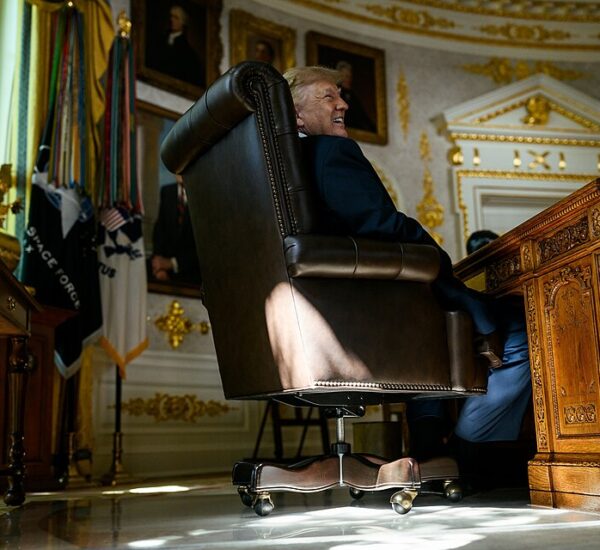
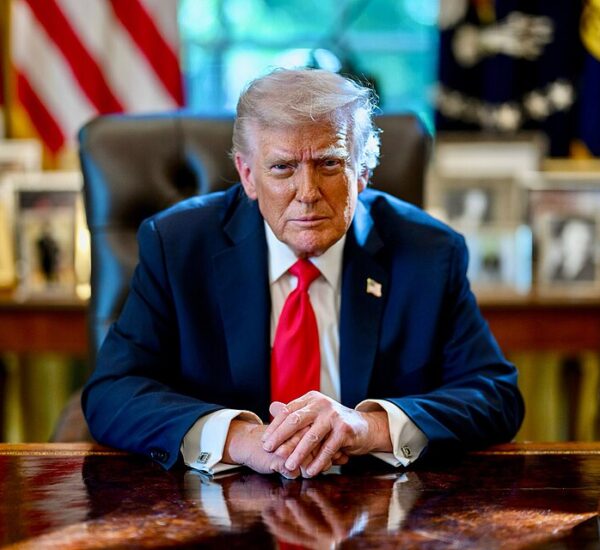
Speaking from the Oval Office, Trump made it clear this is no routine appearance.
“I’ll be there,” he told reporters. “I’ve been hearing about this issue for years, and it’s time.”
A Defining Issue for America’s Future
At the heart of the case is a policy that has sparked debate for decades: birthright citizenship.
Upon returning to office, President Trump issued an executive order on day one seeking to limit automatic U.S. citizenship only to children born to parents who are either American citizens or lawful permanent residents.
Supporters say the move is about restoring fairness and protecting American sovereignty—arguing that the current system has been widely abused and was never intended to apply so broadly.
Critics, however, immediately challenged the order in court, triggering a legal battle that has stretched on for more than a year.
Courts Block Trump’s Order—For Now
So far, several lower federal courts have blocked the policy from taking effect, claiming it conflicts with the 14th Amendment.
That amendment grants citizenship to those born in the United States who are “subject to the jurisdiction” of the country. The key question now is what that phrase truly means—and whether it has been interpreted correctly for generations.
Many conservatives argue that the original intent of the amendment has been distorted over time, opening the door to policies never envisioned by the Founding Fathers.
All Eyes on the Supreme Court
Now, the issue is heading to the Supreme Court, where justices will hear arguments that could reshape U.S. immigration policy for decades.
Early signals suggest the case may face resistance, with some justices—both conservative and liberal—raising concerns about the legality of Trump’s executive action.
Still, nothing is decided yet.
This case represents a rare opportunity for the Court to revisit a long-standing constitutional question that affects millions of Americans and the future of national immigration policy.
Trump Sends a Clear Message
Trump’s decision to attend the hearing in person is being viewed as a powerful statement.
It underscores just how seriously his administration is taking the issue—and signals to supporters that he is willing to fight for major structural changes, even in the face of intense legal opposition.
For many Americans, especially those concerned about border security and immigration enforcement, this moment represents a potential turning point.
What Happens Next Could Change Everything
The Supreme Court’s ruling—expected in the coming months—could either reinforce the current interpretation of birthright citizenship or open the door to sweeping changes.
Either way, the stakes couldn’t be higher.
With President Trump personally showing up at the Court, one thing is certain: this is no ordinary legal dispute. It’s a battle over the meaning of citizenship itself—and the future direction of the United States.

“Judge Halts Trump’s White House Ballroom, Is This Wrong?”
yes it is WRONG!! this so-called “judge” is a TOTAL IDIOT!! i heard on the news that his reason for halting this is due to his position that the president is only a care-taker of the White House, and not the “owner”. well, if being a “care-taker” prohibits the president from making changes, why weren’t all the past presidents prohibited from making their own changes over the decades??!! what about all the 1st ladies down through history that totally re-decorated the White House to their own liking??!! and to top it all off, at least President Trump is doing this change with NO TAXPAYER FUNDS!! something that past presidents did NOT do!!