Trump Announces Another Military Move
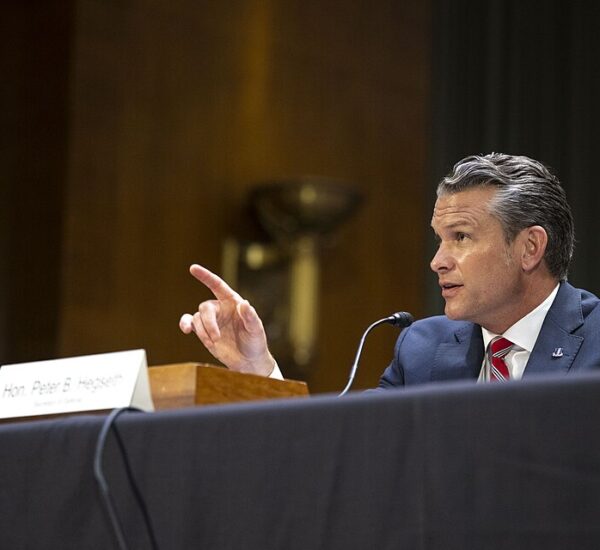
In a major move signaling a return to traditional values inside the U.S. military, Defense Secretary Pete Hegseth has announced sweeping changes designed to strengthen the spiritual backbone of America’s fighting force.
The decision marks a sharp shift away from the policies of recent years—and a renewed focus on faith, leadership, and moral clarity within the ranks.
Chaplains to Drop Rank Insignia, Emphasize Religious Calling
Under the new policy, U.S. military chaplains will no longer wear standard officer rank insignia on their uniforms. Instead, they will display symbols representing their religious affiliation.
While chaplains will still hold officer status, their rank will no longer be the first thing seen.
According to Hegseth, this change reflects a simple but powerful truth:
Chaplains are spiritual leaders first—and military officers second.
“This is about restoring the identity of the chaplain,” Hegseth explained. “They are called to serve God and guide our troops—not just operate within a chain of command.”
Making Chaplains More Approachable for Troops
The Pentagon believes removing visible rank will make chaplains more accessible to service members—especially those dealing with deeply personal struggles.
For many troops, speaking openly to a superior officer can feel intimidating. By removing that barrier, officials hope more service members will seek out guidance, counseling, and spiritual support when they need it most.
This change could have a direct impact on morale, mental resilience, and unit cohesion—key factors in military readiness.
A Historic Role Rooted in America’s Founding
Military chaplains have served alongside American troops since 1775, when George Washington established the Chaplain Corps during the Revolutionary War.
What began as a Protestant-only institution has since expanded to include a wide range of faith traditions, reflecting the diversity of those who serve.
Today, chaplains provide:
- Spiritual guidance
- Crisis counseling
- Religious services
- Support for military families
Their role has long been considered essential—not optional—to maintaining the strength of the force.
Pentagon Simplifies Religious Categories
In another major reform, Hegseth announced the Pentagon will reduce the number of recognized religious categories—known as “faith codes”—from over 200 down to just 31.
He described the previous system as bloated and ineffective, noting that the vast majority of service members identified within only a handful of categories.
By streamlining the system, the Department of Defense aims to:
- Improve efficiency
- Reduce confusion
- Help chaplains better serve troops based on real-world needs
The goal is simple: less bureaucracy, more meaningful ministry.
Restoring Moral Clarity in the Military
Hegseth made it clear these changes are part of a broader mission to restore what many see as lost values within the military.
He emphasized that spiritual strength is just as critical as physical fitness and mental toughness.
“A warfighter needs more than coping tools,” Hegseth said. “They need truth. They need conviction. They need strong spiritual leadership.”
He also criticized past approaches that, in his view, weakened the Chaplain Corps by pushing political correctness and minimizing faith-based guidance.
According to Hegseth, chaplains should serve as moral anchors—not just counselors.
Part of a Larger Cultural Shift Under Trump
These reforms align with wider efforts by the Trump administration to bring the military back to its traditional foundations.
Recent policy reviews have focused on:
- Military readiness and standards
- The role of faith and values in service
- Strengthening discipline and cohesion
Hegseth has also hosted regular prayer gatherings at the Pentagon, reinforcing the belief that faith remains a critical pillar of national strength.
What This Means for America’s Troops
For many service members—especially those who value faith, tradition, and purpose—these changes represent a meaningful course correction.
By making chaplains more visible as spiritual leaders and less defined by rank, the Pentagon is reinforcing a powerful message:
America’s military is not just a fighting force—it is a force grounded in values.
And for those on the front lines, that foundation may matter more now than ever.