Burgum Talks Oil Prices
Americans are once again feeling pressure at the pump as oil prices spike due to rising tensions with Iran. But according to Interior Secretary Doug Burgum, this surge may be short-lived—and relief could be closer than many expect.
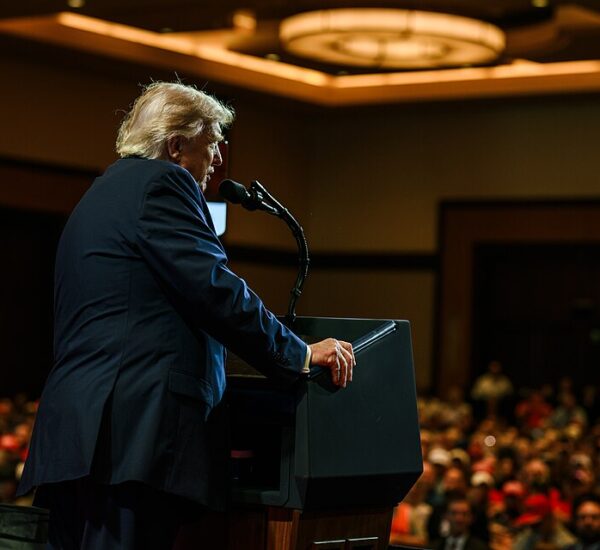
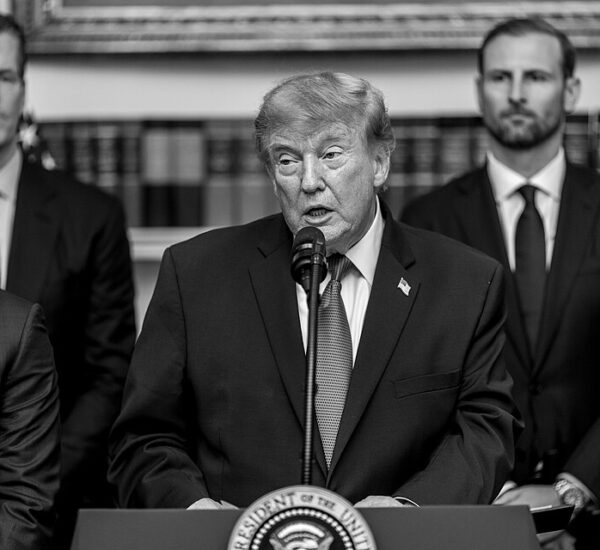
Speaking in a recent interview, Burgum pointed to President Donald Trump’s energy strategy as a key reason the United States is positioned to weather the storm.
Why Oil Prices Are Rising Right Now
Global oil prices have climbed sharply in recent days, with Brent crude—the international benchmark—briefly approaching $119 per barrel.
Just weeks ago, prices were sitting near $72 to $73. That’s a jump of more than 50% in a very short time.
The reason? Growing fears that Iran could disrupt global oil supply routes, especially through the Strait of Hormuz—a narrow but critical passage responsible for moving a large portion of the world’s energy supply.
When markets sense risk, prices react fast—and that’s exactly what Americans are seeing now with rising gas prices.
How This Impacts Gas Prices and Everyday Americans
For many Americans—especially retirees and those on fixed incomes—rising fuel costs hit hard.
Higher oil prices often lead directly to:
- Increased gas prices
- Higher grocery and transportation costs
- More pressure on household budgets
That’s why energy policy matters more than ever, particularly during global conflicts.
Trump’s Energy Strategy: Built for Times Like This
According to Burgum, President Trump’s focus on American energy production is now paying off.
The strategy is simple but powerful:
- Increase domestic oil and gas production
- Reduce dependence on foreign energy
- Keep energy prices stable for American families
By producing more energy at home, the U.S. can better protect itself from overseas disruptions—like the current Iran conflict.
Burgum emphasized that this approach is designed to keep energy affordable for working Americans, even during global uncertainty.
Will Oil Prices Go Back Down?
Despite the current spike, Burgum says there’s strong reason for optimism.
He believes oil prices—and gas prices—could drop quickly once the conflict subsides.
There are two key reasons for that:
1. Short-Term Market Panic
Much of the price surge is being driven by fear and uncertainty—not actual long-term supply shortages.
2. Expected Quick Military Outcome
Burgum noted that the administration expects progress within weeks, not months.
If that timeline holds, markets could stabilize just as fast as they reacted.
The Strait of Hormuz: Why It Matters to Your Wallet
At the center of the situation is the Strait of Hormuz—a critical global shipping route for oil.
If Iran were to successfully block or disrupt this passage, it could send oil prices even higher.
However, Burgum made it clear that the United States and its allies are focused on keeping these routes open.
Any major disruption would impact the entire global economy—not just the U.S.—which is why it’s being taken so seriously.
Big Picture: Temporary Spike or Long-Term Problem?
While headlines may sound alarming, the current situation appears to be driven by short-term geopolitical tension rather than a true energy shortage.
That distinction matters.
If supply remains strong—and U.S. production continues expanding—prices are far more likely to stabilize rather than stay elevated long-term.
What Americans Should Watch Next
In the coming weeks, several key factors will determine where oil and gas prices go:
- Developments in the Iran conflict
- Security of global shipping routes
- U.S. energy production levels
- Market reactions to military progress
If stability returns, Americans could see relief at the pump sooner than expected.
Bottom Line
Yes, oil prices are rising—and yes, Americans are feeling it.
But according to Interior Secretary Doug Burgum, this is not the start of a long-term crisis. Instead, it’s a temporary reaction to global instability.
With strong domestic energy production and a clear strategy in place, the U.S. may be better prepared than ever to handle these disruptions—and come out stronger on the other side.