GOP Tensions Reach A New High
A growing divide is emerging among Senate Republicans as they debate how aggressively to advance the Safeguard American Voter Eligibility (SAVE America) Act—a major election integrity bill strongly backed by President Donald Trump.
The legislation, which would require proof of U.S. citizenship to register to vote, has become a defining issue for conservatives. But inside the GOP, disagreements over strategy are creating tension at a critical time.
Trump Allies Turn Up Pressure on Republicans
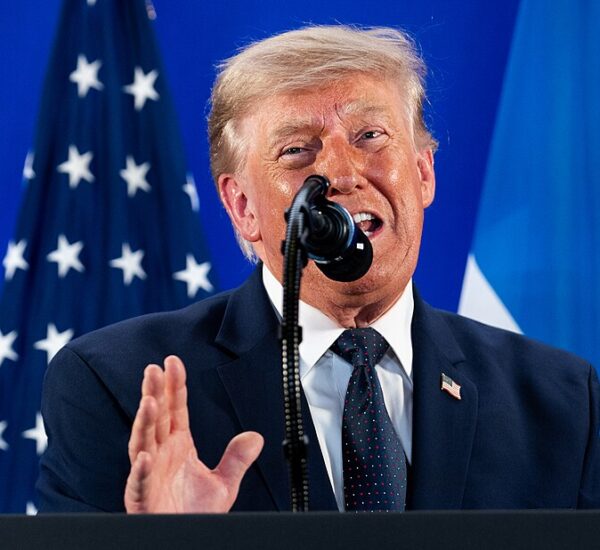
President Trump and his allies are making it clear: passing the SAVE America Act is a top priority for protecting election integrity and restoring trust in the voting system.
Trump recently described the bill as:
“One of the most important and consequential pieces of legislation in the history of Congress and America itself.”
At the same time, he warned that Republicans who fail to support the measure could face serious backlash from conservative voters.
For many grassroots Americans, election security remains a top concern—and that pressure is now being felt inside the Senate.
GOP Infighting Raises Concerns Ahead of Elections
Despite strong support from the conservative base, not all Republican senators agree on how to move forward.
Some lawmakers argue the bill still needs work and warn that internal conflict could hurt the party heading into a tough election cycle marked by economic concerns like inflation and voter frustration.
Sen. Thom Tillis (R-N.C.) issued a blunt warning:
“Circular firing squads never end well.”
His message reflects a broader concern among some Republicans—that attacking fellow conservatives could weaken the party’s chances of holding power.
Debate Intensifies Over Senate Strategy
At the heart of the disagreement is whether Republicans should push the bill aggressively—even if it means forcing a prolonged Senate battle.
Sen. Mike Lee (R-Utah), a key Trump ally, says Republicans must do everything possible to pass the SAVE America Act, including extended floor debate.
He warned that anything less could have serious consequences:
“If we don’t put everything we’ve got into this, it would be a serious mistake.”
Lee and others want Republicans to keep the issue front and center, forcing Democrats to publicly defend their opposition to voter ID and citizenship verification requirements.
Conservatives Push for Stronger Reforms
Sen. Eric Schmitt (R-Mo.) is also leading efforts to strengthen the bill by adding additional conservative priorities, including:
- Tighter restrictions on mail-in voting
- Safeguards in women’s sports
- Limits on gender-related procedures for minors
Schmitt argues that Republicans should stand firmly on principle and show voters they are willing to fight for election integrity and traditional values.
Compromise on Mail-In Voting Eases Some Concerns
There has been some progress behind the scenes.
A compromise—reportedly approved by President Trump—would allow limited exceptions for mail-in voting in cases of hardship. This helped address concerns from Republicans in rural states where absentee voting is more common.
Still, some senators remain cautious, questioning whether the bill can pass in a divided Senate where Democrats are expected to block it.
Republican Leadership Focused on Winning Majority
Senate Majority Leader John Thune (R-S.D.) has largely stayed neutral in the internal debate, focusing instead on the bigger political picture.
His priority is clear: maintaining Republican control of the Senate.
“I want to keep the Republican majority,” Thune said, underscoring the importance of unity as the election cycle approaches.
What This Means for Voters
The fight over the SAVE America Act highlights a major issue for millions of Americans: election integrity.
For many conservatives, requiring proof of citizenship to vote is a commonsense safeguard. But the path forward in Washington remains uncertain due to political divisions and procedural hurdles.
Bottom Line
The SAVE America Act has become more than just a piece of legislation—it’s a test of Republican unity, strategy, and commitment to election security.
As pressure from President Trump and grassroots voters continues to grow, Senate Republicans face a critical choice: stand together and push forward, or risk internal divisions that could impact future elections.