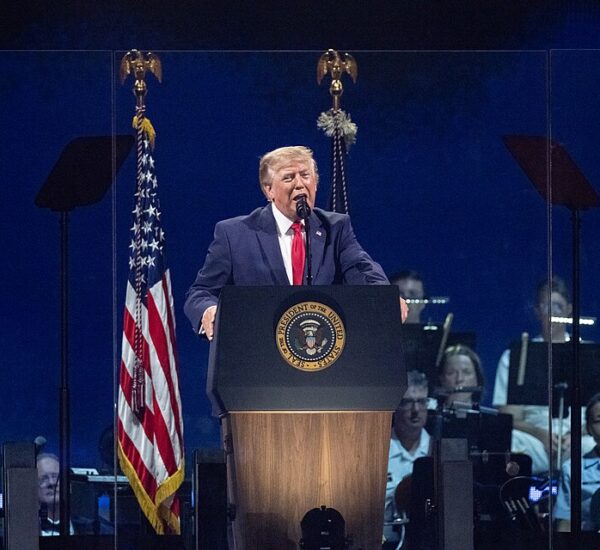
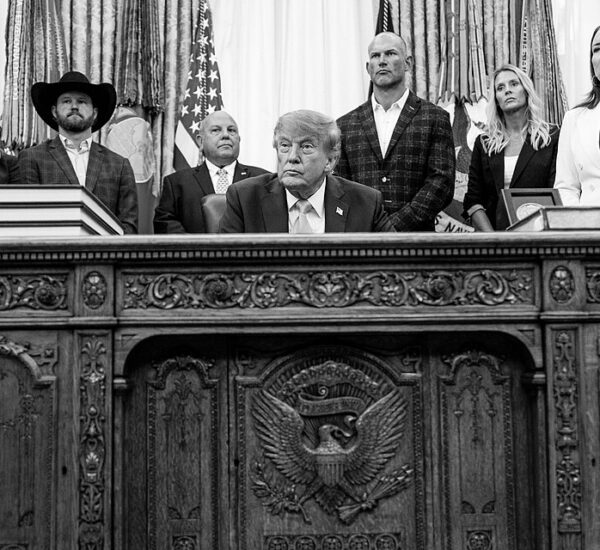
Trump has made his stance very clear.
President Donald Trump has issued a stark warning to NATO allies, raising serious concerns about whether the decades-old alliance can still be counted on in a time of global crisis.
At the center of the tension is the escalating situation in the Strait of Hormuz — a critical global oil route — and the growing frustration inside the Trump administration over what many see as a lack of support from key European nations.
In a direct message posted to Truth Social, Trump did not hold back.
He revealed that most NATO allies have declined to participate in a potential U.S.-led military effort, adding that America continues to carry the burden of global security while others hesitate when action is needed.
“We will protect them, but they will do nothing for us,” Trump stated, capturing what many Americans have long suspected about the imbalance within NATO.
Why the Strait of Hormuz Crisis Matters to Americans
The Strait of Hormuz is not just a distant geopolitical issue — it directly impacts American wallets, gas prices, and economic stability.
About one-fifth of the world’s oil moves through this tight passage, and even small increases in tension can quickly send shockwaves through global energy markets.
With Iran threatening potential retaliation — including naval mines, drone attacks, and disruptions to commercial shipping — global oil prices have already surged past $100 per barrel.
That means higher fuel costs, rising inflation pressure, and increased strain on everyday Americans, especially retirees and those on fixed incomes.
NATO Allies Hold Back — Again
Despite the stakes, several major NATO allies are choosing not to engage militarily.
- The United Kingdom has declined to send warships into the المنطقة
- France has signaled it will avoid combat involvement unless conditions stabilize
- Germany has made it clear it will not participate at all
Instead, some countries are offering limited support behind the scenes, such as allowing U.S. access to military bases or discussing defensive technologies.
But for many in Washington, that’s simply not enough.
Sen. Lindsey Graham openly questioned whether these alliances still serve America’s best interests if partners are unwilling to act during critical moments.
Smaller Nations Step Up While Bigger Ones Hesitate
Interestingly, some smaller or newer partners are showing more willingness to assist.
Estonia has indicated it may support U.S. efforts if formally requested. Ukraine has even offered advanced drone defense tactics developed during its ongoing war.
That contrast is raising eyebrows.
As one analyst put it, newer allies appear more ready to act, while long-established NATO powers continue to delay and debate.
A Turning Point for NATO?
This situation could mark a major shift in how the United States views NATO moving forward.
President Trump has long argued that America contributes far more than its fair share — both financially and militarily — while other nations fall short.
Now, with a real-world crisis unfolding, that argument is being tested in real time.
“If there’s no response… it will be very bad for NATO,” Trump warned.
For many Americans, especially older voters who remember NATO’s original purpose, this raises serious questions about whether the alliance still operates as intended.
Global Impact: Oil, Russia, and Economic Fallout
The consequences of inaction could extend far beyond the Middle East.
- Oil prices rising could benefit adversaries like Russia
- Europe’s energy dependence could lead to long-term instability
- Global markets could face continued volatility
Meanwhile, securing the Strait of Hormuz would require a complex military effort involving naval escorts, missile defense, and mine-clearing operations — all in a high-risk environment.
The Bigger Picture: America First or Alliance First?
At its core, this debate comes down to a fundamental question:
Should the United States continue defending global interests largely on its own, or should NATO allies be expected to contribute equally?
The Trump administration is clearly signaling that the current model may no longer be acceptable.
And for millions of Americans watching closely, the answer could shape the future of U.S. foreign policy for years to come.
Final Thoughts
President Trump’s warning to NATO is more than just a political statement — it’s a wake-up call.
With rising global tensions, unstable energy markets, and increasing pressure on American resources, the strength and reliability of U.S. alliances are now under the microscope.
If NATO cannot respond in a moment like this, many are asking a simple question:
What exactly is the alliance for?