
Senate Begins Marathon Debate
The U.S. Senate voted Tuesday to begin debate on the SAVE America Act, a major election reform bill backed by President Donald Trump that aims to strengthen voter ID laws and citizenship verification requirements across the country.
In a close 51-48 vote, lawmakers agreed to take up the legislation—setting the stage for a high-profile showdown over election integrity, voter security, and access to the ballot box ahead of upcoming elections.
Why the SAVE Act Matters
The SAVE America Act would require:
- Proof of U.S. citizenship to register to vote
- A valid government-issued photo ID to cast a ballot
Supporters say these are common-sense protections designed to ensure that only eligible citizens participate in federal elections.
President Trump has called the bill his top legislative priority, arguing that restoring trust in elections is critical for the country’s future.
Narrow Vote Reveals Divisions in Senate
The vote to proceed exposed divisions even within Republican ranks:
- Sen. Lisa Murkowski (R-Alaska) voted against advancing the bill
- Sen. Thom Tillis (R-N.C.) missed the vote after expressing concerns
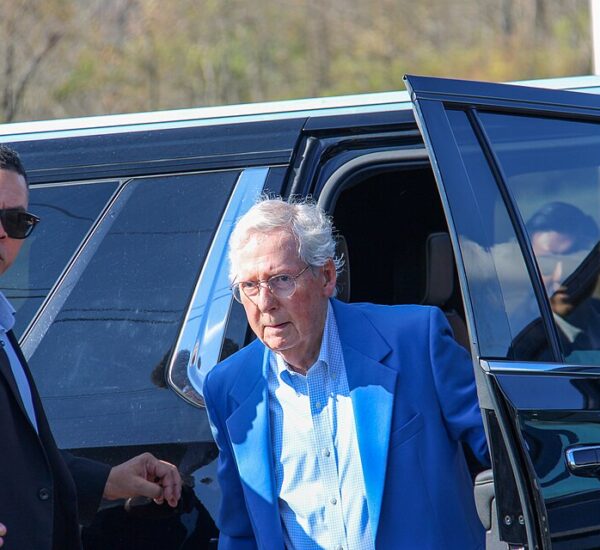
- Sen. Mitch McConnell (R-Ky.), despite reservations, supported moving forward to allow debate
Still, Republican leadership secured enough votes to move ahead, signaling strong momentum behind the measure.
GOP Strategy: Keep the Spotlight on Election Security
Senate Majority Leader John Thune (R-S.D.) is planning an extended debate that could stretch through the weekend, ensuring the bill remains front and center.
Rather than forcing a traditional filibuster, Republicans are using a controlled debate strategy designed to:
- Highlight differences between the parties
- Keep focus on election integrity
- Build public support for voter ID requirements
Thune emphasized that the goal is a full and transparent debate centered on the merits of the bill.
“Common-Sense” Safeguards or Unnecessary Restrictions?
Republicans argue that requiring ID to vote is no different than everyday activities where identification is already required, such as:
- Checking into a hotel
- Renting a car
- Accessing basic services
They say voting—one of the most important rights in America—should have at least the same level of verification.
Democrats Strongly Oppose the Measure
Democratic leaders are pushing back, arguing the bill could create barriers for certain voters.
Senate Democratic Leader Chuck Schumer (D-N.Y.) criticized the legislation as extreme and politically motivated, claiming it focuses on voting restrictions instead of broader national challenges.
The debate is expected to remain sharply divided as both sides make their case to the American public.
Trump Links Bill to Republican Success
President Trump has made it clear he believes the SAVE Act is critical to Republican victories in upcoming elections.
Speaking to lawmakers earlier this month, he warned that failing to pass the legislation could have serious consequences at the ballot box.
His message: secure elections now to protect future results.
Proposed Changes Could Expand the Bill
Additional amendments may broaden the scope of the legislation.
Sen. Eric Schmitt (R-Mo.) has proposed measures that would:
- Limit widespread mail-in voting
- Address fairness in women’s sports
- Restrict certain medical procedures for minors
However, some Republicans—especially from rural states—have expressed concern about limiting mail-in voting, noting its importance for voters in remote areas.
What Happens Next?
The Senate is expected to continue debating the SAVE Act for several days, including late-night sessions.
As the debate unfolds, the bill is quickly becoming a central issue in the national conversation on election security, voter access, and the future of American democracy.

This is a lot of nonsense! Amendment XXII is very explicit. “No person shall be elected to the office of the President more than twice ,,,” Neither Obama nor Trump are eligible to elected for a third term, no one is.
“Democrats Urge Obama To Run For 3rd Term, You Support This?”
ABSOLUTELY NOT!!!!!
we still have the US Constitution, No??!! it is unConstitutional for ANYBODY to have 2 terms, PERIOD, END OF STORY!!