
Judge Makes Shocking Ruling
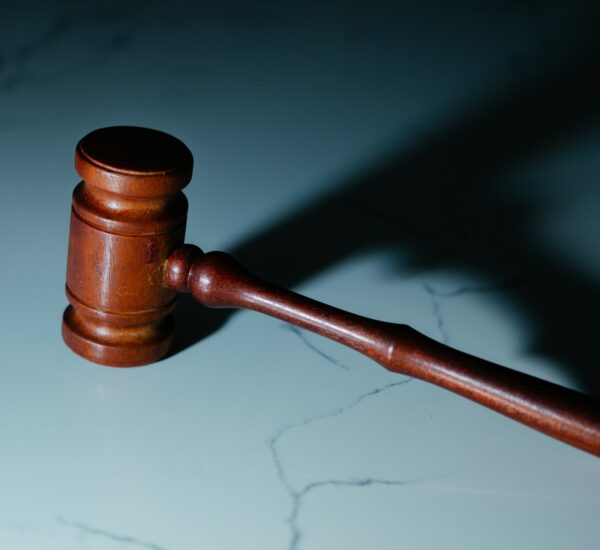
A federal court in Virginia has declined to extend the temporary appointment of a U.S. attorney selected by President Donald Trump, adding to a growing legal dispute over who has the authority to fill key federal prosecutor positions when Senate confirmations are delayed.
The decision came Friday from the U.S. District Court for the Western District of Virginia, which announced it will not renew the temporary appointment of acting U.S. Attorney Robert Tracci once his term expires on March 18.
Instead, the court said it would wait for President Trump to nominate a permanent replacement, subject to confirmation by the U.S. Senate.
Judges Say They Prefer a Presidential Nomination
In a formal notice, the court explained that both active and senior judges agreed unanimously not to appoint a replacement U.S. attorney after Tracci’s temporary term ends.
“The judges of the district indicated they would rather wait for the President to nominate a candidate for the role, which would then require confirmation by the Senate,” the court said.
The move means the position could remain vacant until a nominee from the Trump administration is formally submitted and confirmed.
Part of a Larger National Dispute
The Virginia decision is part of a broader pattern that has emerged across the country, where several federal courts have declined to extend temporary appointments of prosecutors connected to the Trump administration.
Earlier this week, judges on the U.S. District Court for the Eastern District of Wisconsin also voted not to extend the term of the Trump-appointed federal prosecutor in Milwaukee when his appointment expires on March 17.
These developments have highlighted an escalating dispute between the executive branch and elements of the federal judiciary over who should control interim U.S. attorney appointments.
Trump Administration Argues President Has Authority
Officials within the Trump administration have consistently argued that the president alone has the authority to select U.S. attorneys, even when temporary appointments expire before Senate confirmation of permanent nominees.
Federal courts, however, have pointed to federal vacancy laws that allow district judges to appoint interim prosecutors if a permanent nominee has not yet been confirmed.
This legal disagreement has triggered several courtroom battles across the country.
Courts Remove Several Federal Prosecutors
In recent weeks, judges in several states — including New Jersey, Nevada, California, New York, and Virginia — have ruled that certain prosecutors were serving beyond their lawful authority and removed them from their posts.
One high-profile case occurred in New Jersey, where a judge ruled that Alina Habba was unlawfully serving as U.S. attorney. Individuals selected to temporarily replace her were later disqualified as well.
Another controversy involved Lindsey Halligan, the former U.S. attorney in Virginia’s Eastern District. Her removal coincided with the dismissal of cases involving former FBI Director James Comey and New York Attorney General Letitia James, both prominent political opponents of President Trump.
The Justice Department has since appealed those rulings.
Justice Department Pushes Back
The Department of Justice has strongly defended the administration’s authority to appoint federal prosecutors.
“Selecting U.S. attorneys is the responsibility of the President, not the courts,” a Justice Department spokesperson said. “The Department of Justice will continue supporting our experienced prosecutors who are committed to keeping America safe.”
Western District of Virginia Jurisdiction
The Western District of Virginia, currently overseen by Robert Tracci, is headquartered in Roanoke and includes federal offices in Charlottesville, Abingdon, Lynchburg, Danville, and Harrisonburg.
Officials from the district’s U.S. Attorney’s Office declined to comment on the court’s decision.
What Happens Next
For now, the prosecutor’s position will remain open once Tracci’s temporary appointment expires.
The next step would require President Trump to nominate a permanent U.S. attorney, followed by Senate confirmation, a process that can take months depending on the political climate in Washington.
Until then, the ongoing dispute between the administration and federal courts over interim prosecutor appointments may continue to play out in courtrooms across the country.

It is no more of a crime than when the democrat party does the same thing