GOP Concerned About Oil Prices
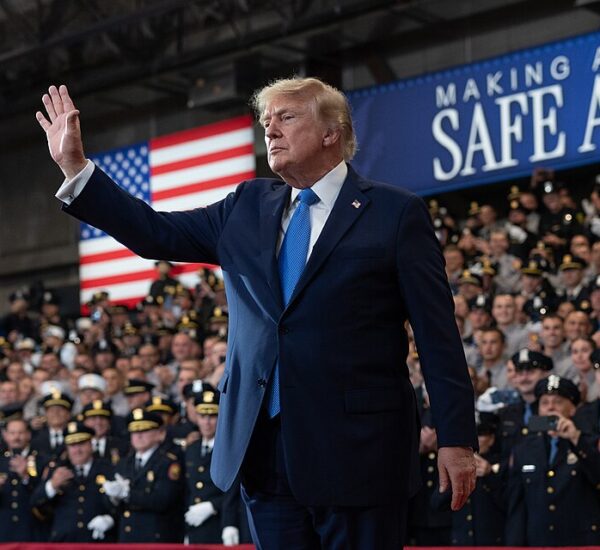
Republicans in Washington are beginning to voice concern about rising fuel prices tied to the escalating conflict with Iran, especially with the November elections approaching.
While many GOP lawmakers support President Donald Trump’s tough stance against Iran’s nuclear ambitions, they also recognize that higher gas prices can quickly become a political issue for American families.
Only weeks ago, during his State of the Union address, President Trump highlighted declining fuel prices as a major success of his economic policies. But renewed tensions in the Middle East have pushed global oil markets into turmoil, sending crude prices climbing to levels not seen since the early stages of Russia’s invasion of Ukraine.
Still, the president has argued that the stakes are much larger than short-term economic discomfort.
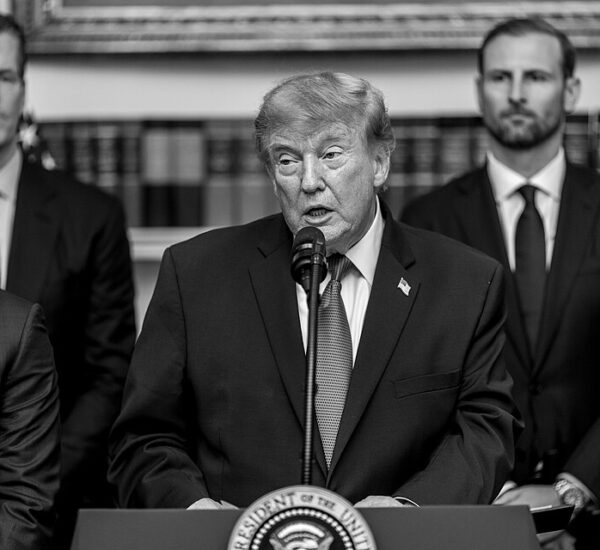
In a weekend social media post, Trump said that any temporary increase in oil prices is “a very small price to pay” if it means eliminating the threat posed by Iran’s nuclear program.
Republicans Warn Fuel Prices Could Become Election Issue
Some Republican lawmakers acknowledge the national security concerns but say rising gas prices remain a serious political reality.
West Virginia Sen. Shelley Moore Capito said Americans notice fuel prices immediately, especially as summer travel begins.
“That’s always bad,” Capito said when asked about higher gas prices heading into the warmer months. “People are traveling, they’re starting to travel now. The weather finally got good.”
However, Capito also urged patience, echoing Trump’s argument that the situation may stabilize once the conflict plays out.
Oil Markets Swing Wildly After Strait of Hormuz Tensions
Energy markets have been extremely volatile as tensions in the Middle East intensify.
Crude oil prices jumped from about $91 per barrel to $116 when trading opened Sunday night before falling sharply later in the day. Prices eventually settled around $87 per barrel after Trump said he was considering options involving the Strait of Hormuz.
The narrow waterway between Iran and the Arabian Peninsula is one of the world’s most critical energy corridors.
Nearly 20 percent of global oil consumption moves through the Strait of Hormuz, making it a vital shipping route for global energy supplies.
Iranian threats toward shipping in the region prompted Gulf Arab nations to temporarily cut production, contributing to the sudden surge in oil prices.
Americans Already Feeling Pain at the Pump
The market turmoil is already affecting U.S. drivers.
The national average price for regular gasoline reached $3.49 per gallon on Monday, roughly 70 cents higher than it was at the start of 2026.
For many voters, fuel prices remain one of the most visible indicators of the economy.
“The price of gas is always a benchmark,” said Senate Majority Leader John Thune of South Dakota. “It’s something everybody pays attention to.”
Thune said he hopes military operations in the region will stabilize quickly so that global energy markets can return to normal.
Some GOP Lawmakers Grow Frustrated
Not every Republican is comfortable with the economic impact of the conflict.
Iowa Sen. Chuck Grassley gave a blunt answer when asked what could bring fuel prices back down.
“Get the war in Iran over,” Grassley said.
Alaska Sen. Lisa Murkowski also criticized what she suggested may have been insufficient planning for the impact on energy markets.
“For heaven’s sake, are you telling me nobody gamed this out?” Murkowski said in comments reported by Punchbowl News.
Meanwhile, fiscal conservative Rep. Thomas Massie of Kentucky warned that the conflict is already driving up costs for Americans.
Massie pointed to rising fuel prices and the estimated $1 billion per day cost of military operations in a social media post.
Trump Allies Say Strategy Will Pay Off
Despite the concerns, many Republicans continue to stand firmly behind the president’s strategy.
Rep. Tony Wied of Wisconsin said he believes Trump remains focused on stabilizing energy prices once the conflict is resolved.
“I think he’s the right person for the job and I trust him,” Wied said.
How Long Will the Iran Conflict Last?
The biggest question now is how long the conflict will continue.
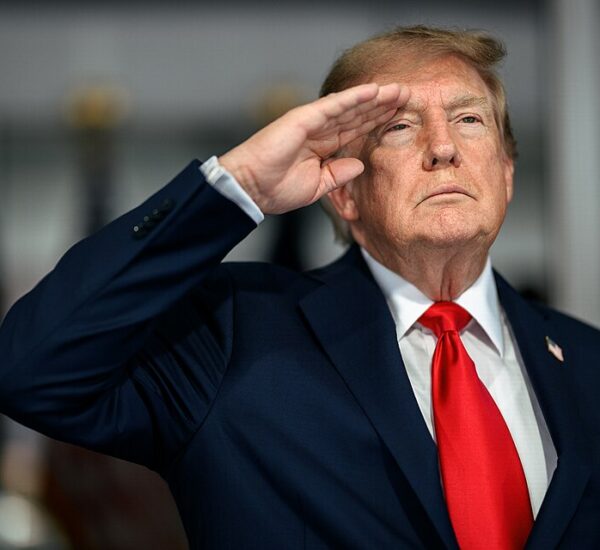
President Trump told reporters Monday that the war will end “very soon,” though he indicated it likely will not conclude this week.
He previously suggested the military operation could last four to five weeks, while also noting that the United States has the capability to sustain operations longer if necessary.
For many Republicans, the goal is clear: achieve the national security objective quickly while minimizing economic strain on American households.
“We should always be aware of the economic impacts anytime there are hostilities anywhere in the world,” said Sen. Mike Rounds of South Dakota, who is facing reelection this year. “Markets respond very quickly when global instability affects energy supplies.”