Jeffries Refuses To Answer One Question
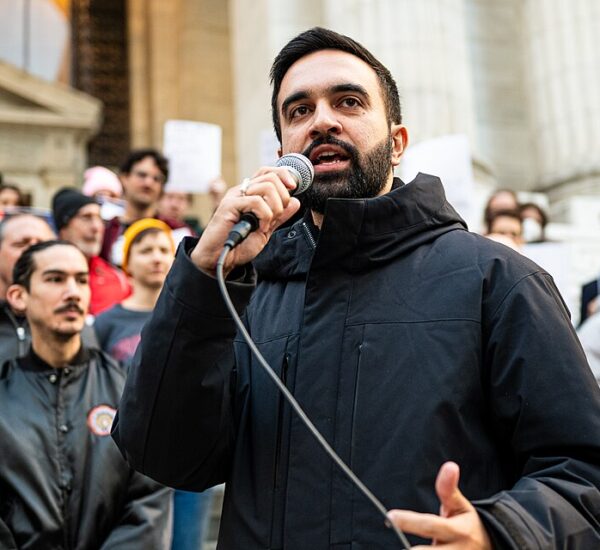
House Democratic Leader Hakeem Jeffries declined Sunday to say whether he would support additional Pentagon funding tied to the growing U.S. military conflict with Iran, signaling that a major debate may soon unfold in Congress.
During an appearance on Meet the Press on NBC News, Jeffries told host Kristen Welker that Democrats are waiting to see whether the White House formally asks Congress for more funding.
“We’ll cross that bridge when we get to it if the administration makes a request,” Jeffries said.
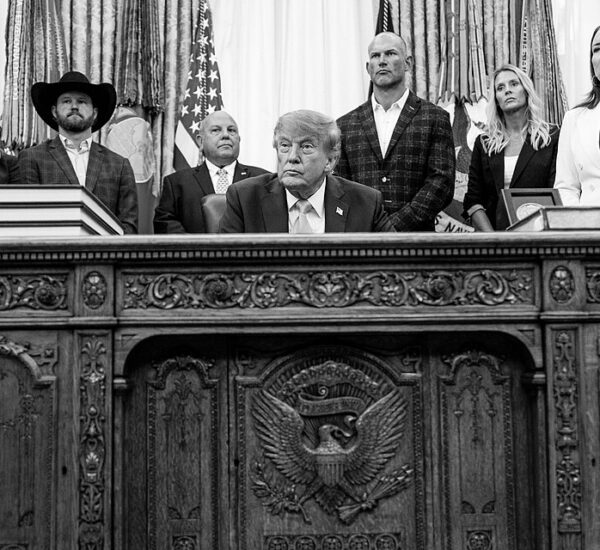
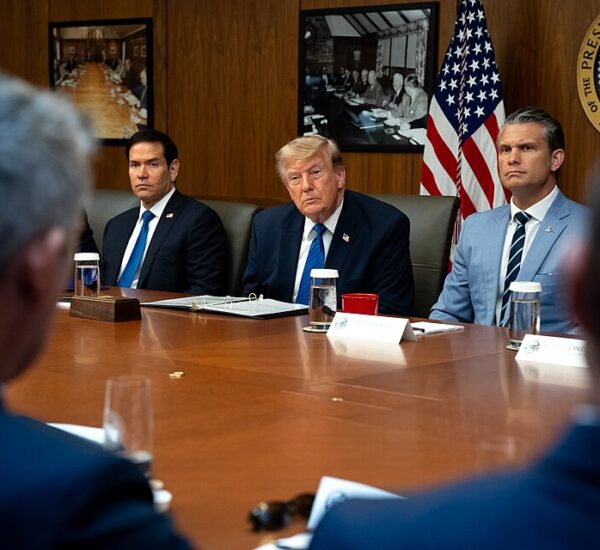
His comments come as lawmakers from both parties watch closely for the next move from the administration of Donald Trump amid escalating tensions with Iran.
Pentagon Already Received Record Funding
Congress already approved a massive defense budget earlier this year through the National Defense Authorization Act.
The bill allocates $901 billion for fiscal year 2026, the largest defense budget in American history. Supporters argue the funding is necessary to strengthen the military during a period of growing global instability.
However, House Speaker Mike Johnson recently told reporters that lawmakers are waiting for a formal request from the Trump administration before considering any additional funding tied specifically to operations against Iran.
If such a request arrives, Congress could soon face a high-stakes vote on whether to increase military spending even further.
Iran Military Operation Already Cost Billions
The U.S. military campaign targeting Iranian-backed forces has been operating under the name Operation Epic Fury.
According to estimates from the policy organization Center for American Progress, the mission had already cost American taxpayers more than $5 billion as of early March.
Military analysts say the cost could continue rising if the operation expands or if the conflict drags on.
For many lawmakers, the growing price tag raises questions about how long the United States should remain involved and whether Congress should approve additional funds.
Democrats Question Trump’s Strategy
Jeffries argued during his interview that the administration has not yet fully explained its long-term strategy for the conflict.
The New York Democrat also pointed out that President Trump campaigned on reducing American involvement in overseas conflicts.
Jeffries said that without a stronger explanation, the administration could face resistance when asking Congress for additional funding.
“Absent the president providing a compelling rationale, it will be difficult to make that case on Capitol Hill,” Jeffries said.
Still, national security debates in Washington often evolve quickly as events unfold overseas.
Congress Divided Over War Powers
The question of presidential authority over military action also sparked debate in Congress this week.
Lawmakers in both chambers introduced separate war powers resolutions designed to limit U.S. military involvement in Iran without explicit approval from Congress.
However, both measures ultimately failed to pass.
Most Democrats supported the resolutions. A small number of Republicans also broke with party leadership to vote in favor.
Those Republicans included:
- Warren Davidson
- Thomas Massie
- Rand Paul
Supporters of the measure argued that Congress should have a greater role in approving extended military operations.
Opponents countered that presidents must retain flexibility to respond quickly to international threats.
Some Democrats Support Trump’s Authority
Not every Democrat supported limiting the president’s authority.
Jared Golden voted against the war powers resolution, saying President Trump has so far acted within existing legal authority.
Under the War Powers Resolution, the president can deploy military forces for up to 60 days without congressional approval.
Golden, a Marine Corps veteran who served in both Afghanistan and Iraq, argued that the law already provides a clear framework.
However, Golden believes Congress should act faster when reviewing military actions.
Along with Josh Gottheimer, he introduced legislation that would shorten the review period from 60 days to 30 days.
Golden said a month would still give the president time to explain the mission while allowing Congress to weigh in sooner.
Jeffries Praises Golden’s Military Service
Despite disagreeing on the issue, Jeffries spoke respectfully about Golden during the interview.
The Democratic leader described Golden as a “hero” and acknowledged his experience serving in the Middle East.
“He fought bravely in Afghanistan and Iraq, and he’s certainly entitled to his perspective,” Jeffries said.
Still, Jeffries maintained that many Americans remain uneasy about expanding military involvement in another overseas conflict.
Major Debate Likely Ahead
For now, the biggest question in Washington remains whether the Trump administration will formally request additional funding for operations related to Iran.
If that happens, Congress could soon face a major debate over military spending, presidential authority, and America’s role in the Middle East.
With tensions continuing overseas and political divisions at home, the issue of Pentagon funding is likely to remain at the center of Washington’s agenda in the weeks ahead.