
As tensions rise in the Middle East, the battle over oil supply is no longer limited to missiles and military strikes.
A new front has emerged—the global insurance market—and it could play a major role in whether gas prices rise or stay under control.
The Trump administration is now considering a strategy designed to keep oil shipments moving through one of the most critical waterways on Earth. The goal is simple: protect global energy supplies and prevent American drivers from facing another painful spike at the pump.
Why the Strait of Hormuz Is So Important
The Strait of Hormuz may be narrow, but it is one of the most important energy routes in the world.
The narrow waterway between Iran and Oman moves about 20 million barrels of oil each day, making it one of the most important energy routes on the planet. That volume represents roughly 20% of the world’s petroleum supply, along with significant shipments of liquefied natural gas.
When tensions rise in the region, markets react quickly. Even the threat of disruption can push oil prices higher, which often leads to higher gasoline prices for Americans.
That is exactly what policymakers in Washington are trying to prevent.
Trump Administration Exploring Insurance Strategy
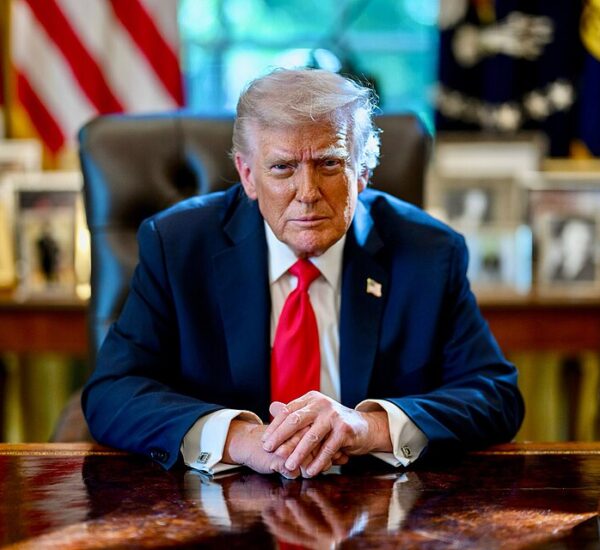
President Donald Trump has suggested that the federal government could help stabilize shipping in the region by backing a war-risk insurance program for oil tankers.
Under the proposal, the U.S. government would absorb part of the financial risk if a tanker were attacked while traveling through the Gulf.
This type of safety net could make insurers more willing to continue covering ships operating in dangerous areas. In turn, that would help keep oil shipments moving and prevent supply shortages.
When insurers pull back, shipping costs skyrocket. Tanker companies often face massive “war-risk” premiums, which can make voyages through the region extremely expensive—or impossible.
Those costs quickly ripple through the energy market.
Conflict Is Already Affecting Oil Shipping
The latest tensions began after U.S. and Israeli military strikes on Iran on February 27, followed by Iranian missile and drone attacks across the region.
As the conflict escalated, shipping companies and insurers began reassessing the risks of operating near Iranian waters.
Several major maritime insurers—including Gard, Skuld, NorthStandard, the London P&I Club, and the American Club—have reportedly canceled war-risk coverage for ships traveling through certain areas of the Gulf.
Without insurance protection, many tankers simply cannot operate.
Energy analyst Matt Smith of Kpler explained why coverage is essential.
“It’s absolutely necessary for these ships to have insurance,” Smith told Fox News Digital. “Without it, tankers cannot safely transit the Strait of Hormuz.”
Even with insurance protection, however, the threat remains real.
Some Coverage Still Exists
Despite the pullback by some insurers, others remain active.
The global insurance marketplace Lloyd’s of London said vessels operating in the Gulf under its coverage represent more than $25 billion in combined ship value, and policies remain in place.
Lloyd’s representatives have reportedly begun discussions with U.S. officials about possible ways to stabilize insurance coverage in the region.
Meanwhile, international insurance broker Marsh confirmed it has also met with Trump administration officials to discuss the potential government-backed program.
Shipping Companies Are Taking Precautions
Even with insurance options still available, some major shipping companies are already slowing operations.
Global freight giant Maersk recently announced it will suspend vessel crossings through the Strait of Hormuz until conditions improve. The company warned that deliveries to ports across the Arabian Gulf could face delays.
When major shipping companies halt operations, the impact can spread quickly through global supply chains.
And when oil shipments slow down, prices tend to move higher.
What It Means for American Drivers
For everyday Americans, the biggest concern is how the situation could affect gasoline prices.
If oil shipments continue flowing through the Gulf without major disruptions, prices may remain relatively stable.
However, if conflict intensifies or insurers withdraw coverage entirely, global oil supply could tighten quickly. That scenario would likely lead to higher crude oil prices and rising gas prices across the United States.
That is why the Trump administration is exploring new tools to keep shipping lanes open and markets stable.
The Bottom Line
The Strait of Hormuz has long been considered the world’s most important energy chokepoint. Any disruption there can shake global markets within hours.
By considering a government-backed insurance program, President Trump is looking for ways to protect oil supply routes, stabilize global energy markets, and shield American drivers from rising fuel costs.
For now, energy traders, shipping companies, and policymakers are watching the region closely.
Because when tensions rise in the Gulf, the effects are often felt all the way to the American gas pump.

You know what else would KEEP prices down in the US? Have a completely SEPARATE oil market in the United States. We should not be penalized for things happening in another part of the world. Like it or not, the oil underneath our Country belongs to the CITIZENS of our Country. A separate market would force producers to produce enough gasoline to keep the price of gasoline at a range of $2.50 or below. After the whole Country is taken care of, allow the oil industry to profit off their products through exports. Sell it $5-10 a barrel under OPEC to the rest of the world and they will get everyone’s business. Treat heating oil, natural gas, and other oil by products in the same way. This crap about oil spiking prices does not have to happen and would give the dark side of the world one less weapon against our Country.