
Here’s what Americans need to know.
Millions of Americans are once again feeling the pain at the pump as gas prices spike sharply across the country.
New data from the AAA shows that the average price of gasoline in the United States has jumped about 27 cents per gallon since Sunday, creating fresh financial pressure for drivers already struggling with rising costs.
The sudden surge includes a 10-cent overnight increase from Monday to Tuesday, marking the largest single-day jump in gas prices since the early days of the Russia-Ukraine war in 2022.
For many families, especially those on fixed incomes, the increase is already making a noticeable dent in their weekly budgets.
National Gas Prices Jump Above $3.25
According to AAA, the national average price for a gallon of regular gasoline now sits at $3.25.
That figure is:
- 36 cents higher than one month ago
- About 15 cents higher than this time last year
Energy analysts say several factors are pushing prices higher at once, creating what could become a short-term gas price shock for drivers nationwide.
Some States Hit Harder Than Others
In many states, the spike in fuel prices has been even more dramatic.
Data shows gas prices have jumped 15 cents or more since Tuesday in at least 23 states.
Some of the largest increases include:
- Georgia: up 39 cents to $3.174
- Indiana: up 38 cents to $3.188
- Florida: up 35 cents to $3.241
- Iowa: up 35 cents to $2.986
- Ohio: up 35 cents to $3.127
Meanwhile, Kentucky and Arkansas saw some of the fastest price increases in the country, rising 21 cents and 20 cents respectively in just a few days.
Just last weekend, 39 states still had gas prices below $3 per gallon. As of Thursday, that number has dropped to only 17 states, highlighting how quickly fuel costs can rise.
Diesel Prices Are Even Worse
While gasoline prices are climbing quickly, diesel prices are rising even faster.
According to fuel tracking data from GasBuddy, the national average price of diesel has reached $4.12 per gallon, the highest level recorded since December 2023.
Higher diesel prices can affect the entire economy because diesel fuels trucks, trains, farming equipment, and shipping operations.
When diesel rises, transportation costs often increase, which can eventually drive up prices for groceries, consumer goods, and other essentials.
Why Gas Prices Are Rising
Several major factors are pushing gas prices higher right now.
One of the biggest drivers is rising global oil prices linked to tensions in the Middle East. The conflict involving Iran has caused uncertainty in global energy markets and pushed crude oil prices sharply upward.
A barrel of Brent crude, the global oil benchmark, climbed to $84.52 Thursday, up nearly 4% in one day and far above the roughly $70 price seen just last week.
At the same time, U.S. refineries are transitioning to more expensive summer gasoline blends, which are required during warmer months to meet environmental regulations.
That seasonal shift alone can raise prices every spring.
Analysts Say Gas Stations Aren’t the Problem
Despite frustration from drivers, experts say local gas stations are not responsible for the spike in fuel prices.
Patrick De Haan, head of petroleum analysis at GasBuddy, explained that gas stations simply react to rising wholesale costs.
“Gas stations aren’t the villains during price spikes,” De Haan wrote on social media. “They’re middlemen. When wholesale fuel costs rise quickly, stations have to adjust prices to keep up with replacement costs.”
In many cases, station owners actually see their profit margins shrink during sudden price spikes.
Iran Conflict Disrupting Global Oil Shipping
Another major factor impacting oil markets is the situation in the Strait of Hormuz, a critical shipping route connecting the Persian Gulf to the open ocean.
Roughly 20% of the world’s oil supply moves through this narrow waterway.
Oil shipments traveling through the strait come from major producers such as:
- Saudi Arabia
- Kuwait
- Iraq
- Qatar
- Bahrain
- United Arab Emirates
- Iran
Any disruption in this region can send shockwaves through global energy markets, which eventually affects gas prices in the United States.
Trump Announces Plan To Protect Oil Tankers
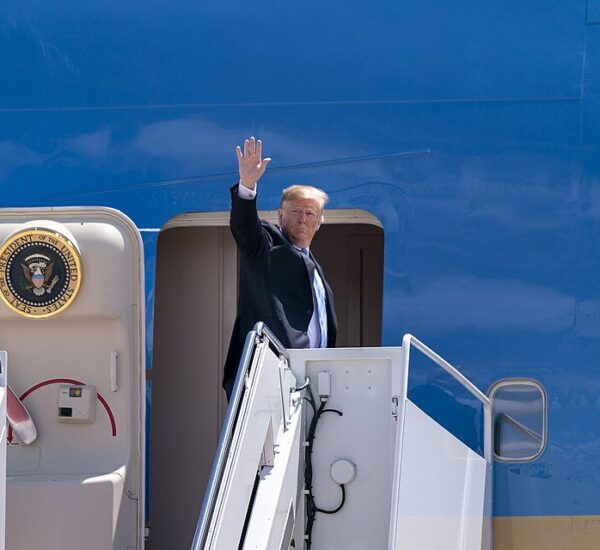
In response to rising tensions, Donald Trump recently announced a proposal designed to stabilize shipping routes and prevent further disruptions.
The president said he directed the U.S. International Development Finance Corporation to offer political risk insurance for tankers transporting oil through the Persian Gulf.
This type of insurance protects shipping companies against financial losses caused by war, instability, or government action.
Trump also stated that the U.S. Navy could escort oil tankers through the Strait of Hormuz if needed to ensure safe passage.
The Navy already maintains several warships in the region, including destroyers and littoral combat ships that have previously escorted merchant vessels through high-risk waters.
What Drivers Should Expect Next
Energy experts warn that gas prices could remain volatile in the weeks ahead.
If tensions in the Middle East continue to disrupt global oil supply routes, prices at American gas pumps could stay elevated — or climb even higher.
For now, drivers across the country are once again reminded that events halfway around the world can quickly impact their wallets at home.





This is exactly why America needs to drill for its own resources oil and gas.
Asshole democrats aren’t smart enough to understand that this is why we should never ever vote for democrats they are too stupid to lead this country.