Republicans Grill Democrat Governor
A heated congressional hearing on Wednesday put Minnesota’s Democratic leadership under intense scrutiny as Republicans demanded answers about a massive fraud scheme tied to taxpayer-funded social service programs.
Members of the House Oversight and Government Reform Committee questioned Minnesota Governor Tim Walz and Attorney General Keith Ellison about what they described as years of missed warning signs surrounding fraud tied to federal assistance programs.
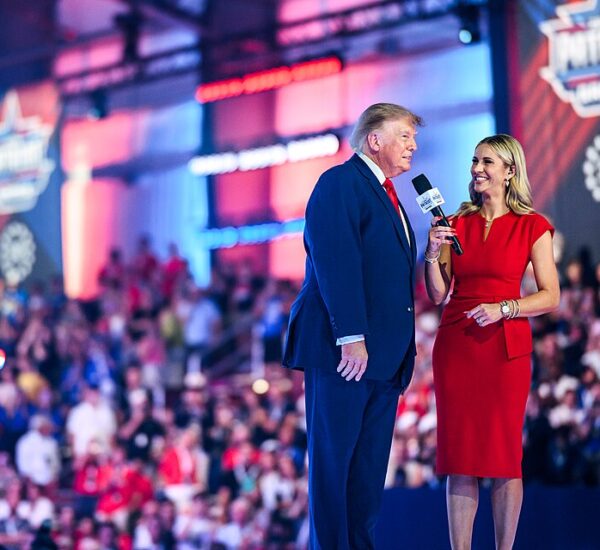
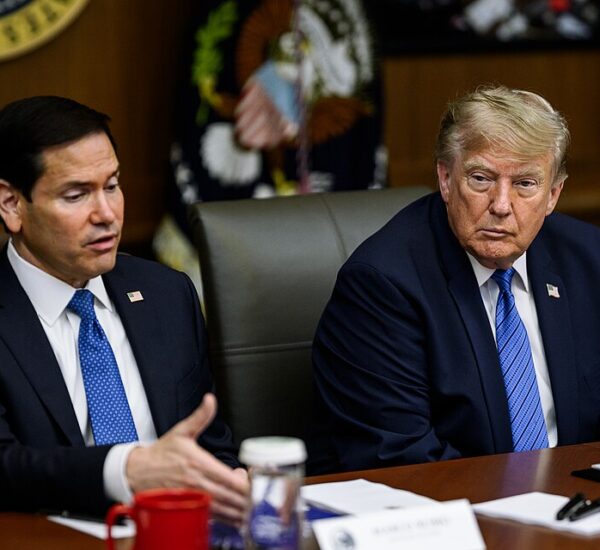
The controversy has drawn national attention, particularly after President Donald Trump highlighted the scandal as part of his administration’s broader push to crack down on government waste and strengthen oversight of taxpayer dollars.
Democrats on the panel agreed fraud must be addressed but argued that the Trump administration’s response has also included aggressive immigration enforcement actions in Minnesota.
Here are the three biggest takeaways from the combative hearing.
Republicans Say Minnesota Leaders Failed to Stop Fraud
Republicans on the committee opened the hearing by accusing Minnesota officials of allowing widespread abuse of federally funded programs.
Committee Chairman James Comer (R-Ky.) said the situation represents a serious breakdown in oversight.
“Today’s hearing is about a failure of leadership,” Comer said. “For years, Governor Walz and Attorney General Ellison oversaw one of the most serious oversight failures this committee has examined.”
Federal prosecutors have already secured 66 convictions connected to a major fraud operation involving social service programs in Minnesota that receive Medicaid funding.
Investigators say the scheme centered around the nonprofit Feeding Our Future, which prosecutors allege fraudulently obtained roughly $250 million in federal child nutrition funds during the COVID-19 pandemic.
According to investigators, the organization claimed to provide meals to children in need while diverting large amounts of taxpayer money.
Earlier Wednesday, Republicans released a 54-page interim report concluding that Minnesota officials were aware of warning signs but did not act quickly enough to stop the payments.
Trump Administration Launches Broader Anti-Fraud Push
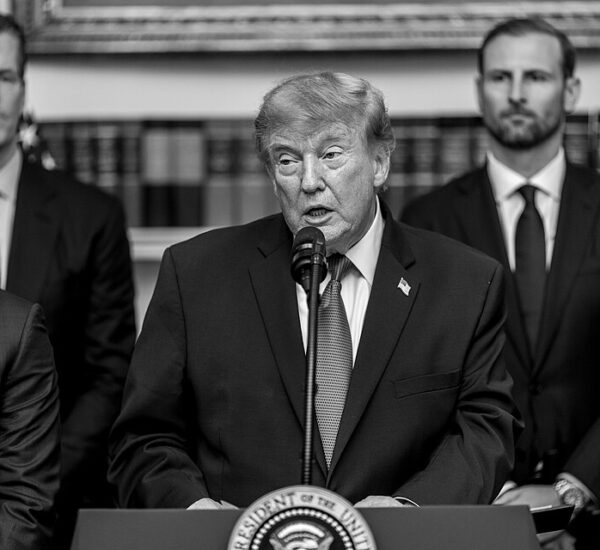
The Minnesota case has become a central example cited by President Trump as he pushes for stronger federal oversight of government spending.
During last month’s State of the Union address, Trump announced a nationwide “war on fraud” aimed at protecting taxpayer funds and preventing abuse within federal assistance programs.
The administration also temporarily paused funding to certain Minnesota programs while federal investigators reviewed fraud allegations.
At the same time, the Department of Homeland Security expanded enforcement operations in the Minneapolis area through a program called Operation Metro Surge.
The effort increased the presence of federal officers as part of a broader initiative targeting fraud networks and related criminal activity.
Governor Walz pushed back on the federal response during Wednesday’s hearing.
He argued that the administration’s actions went beyond fraud enforcement and had broader impacts on communities across the state.
Republicans Press Walz and Ellison During Tense Exchanges
Several Republican lawmakers challenged the Minnesota officials directly during the hearing.
Representatives Nancy Mace (R-S.C.) and Clay Higgins (R-La.) repeatedly questioned why stronger safeguards were not put in place sooner.
During one particularly tense exchange, Higgins criticized the state’s handling of the situation.
“You are not showing leadership,” Higgins said, arguing that stronger oversight should have been implemented earlier.
The confrontation underscored how politically charged the issue has become in Washington.
Democrats Warn Against Linking Fraud to Immigration Crackdowns
Democratic members of the committee said fraud should absolutely be prosecuted but criticized what they view as a broader political narrative surrounding the investigation.
Representatives Dave Min (D-Calif.) and Melanie Stansbury (D-N.M.) both acknowledged that fraud in government programs must be addressed.
However, they argued that focusing heavily on Minnesota’s Somali community risks unfairly targeting immigrant populations.
Democrats also referenced protests that erupted earlier this year in Minnesota following expanded federal immigration enforcement in the state.
Representative Robert Garcia (D-Calif.), the top Democrat on the committee, criticized the administration’s strategy and said the situation has created tensions within local communities.
Faith leaders who testified at the hearing echoed those concerns, saying some families now feel uncertain about federal enforcement efforts.
Min also pointed out that other states have faced major fraud scandals involving government programs, including the widely reported welfare fraud case in Mississippi that involved former NFL quarterback Brett Favre.
Why the Minnesota Fraud Case Is Becoming a National Issue
The Minnesota investigation is quickly becoming a major national political battle over government accountability, immigration enforcement, and federal spending.
Republicans argue the scandal highlights the dangers of weak oversight and misuse of taxpayer funds.
Democrats say fraud must be prosecuted but warn that the issue should not be used to justify sweeping political or immigration actions.
With investigations ongoing and dozens already convicted, the case is likely to remain in the national spotlight as lawmakers debate how to protect federal programs from fraud while ensuring they continue serving Americans in need.
For many voters—especially those concerned about taxpayer accountability and government transparency—the outcome of the investigation could have long-term consequences for how federal aid programs are managed across the country.