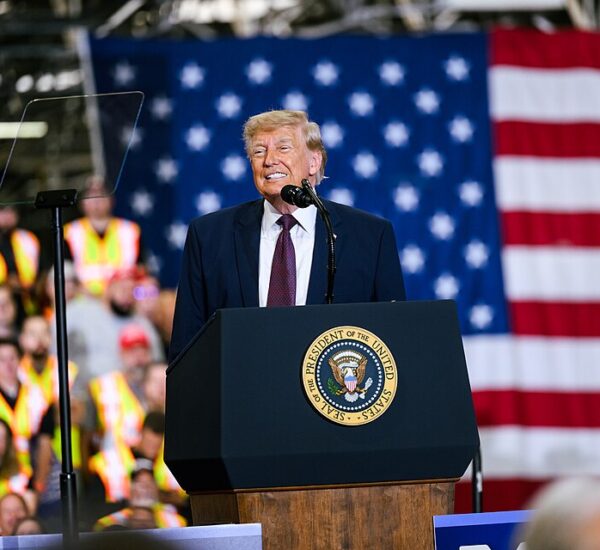
Bolton Sides With Trump
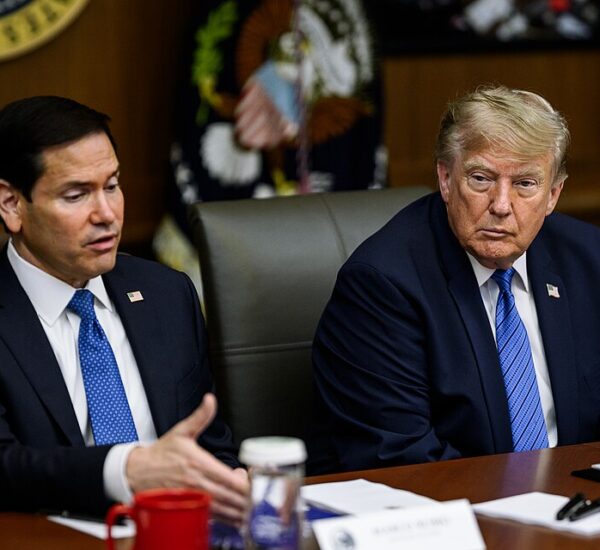
Former National Security Adviser John Bolton publicly supported President Donald Trump’s decision to authorize targeted military strikes against Iran’s nuclear infrastructure, calling the move both justified and necessary amid escalating tensions in the Middle East.
Bolton, who has often disagreed with President Trump in the past, described the action as a significant national security decision designed to neutralize threats linked to Iran’s nuclear weapons development and the Islamic Revolutionary Guard Corps (IRGC).
“This mission is completely justifiable,” Bolton wrote, adding that the Iranian regime’s continued nuclear expansion left the United States with limited options.
His remarks mark one of the most notable endorsements of the administration’s Iran strategy from a former senior official who has previously criticized the president on foreign policy matters.
Trump Administration Responds to Iran’s Nuclear Program
According to administration allies, the military operation was aimed at disrupting Iran’s advancing nuclear program and curbing its ballistic missile capabilities — long considered major concerns for U.S. national security planners.
For years, American officials across multiple administrations have warned that Iran’s nuclear ambitions and regional proxy networks pose a threat to:
- U.S. service members stationed in the Middle East
- Key American allies including Israel
- Global energy stability
- International security frameworks
Supporters argue that decisive action now could prevent a far more dangerous confrontation later.
Congressional Republicans Rally Behind the President
Republican leaders in Congress largely praised the president’s decision.
Senate Majority Leader John Thune emphasized that Iran’s growing missile inventory and ongoing support for militant groups have created an unacceptable security environment for American personnel and allies abroad.
Rep. Elise Stefanik also defended the administration, stating that the president faced extraordinarily difficult choices and prioritized protecting American lives.
Both lawmakers noted that diplomatic efforts had been attempted but ultimately failed to halt Iran’s nuclear trajectory.
For many conservatives, the strike represents a shift away from what they view as years of ineffective diplomacy toward a posture of strength and deterrence.
European Leaders Call for Renewed Diplomacy
Not all global leaders reacted positively.
Officials from France, Germany, and the United Kingdom issued a joint statement encouraging renewed negotiations between Washington and Tehran.
European leaders urged restraint and emphasized that long-term stability should ideally be achieved through diplomatic channels.
The divide highlights a broader debate within the Western alliance: whether deterrence through strength or renewed negotiations offers the best path forward in addressing Iran’s nuclear ambitions.
Why This Moment Matters
Foreign policy analysts say this could become one of the most consequential decisions of President Trump’s presidency.
If the strikes successfully degrade Iran’s nuclear capacity without triggering a wider regional conflict, supporters argue it may strengthen American leverage in future negotiations.
If tensions escalate, however, the geopolitical stakes could rise quickly.
For voters age 50 and older — many of whom remember decades of Middle East conflict — the issue raises familiar questions about deterrence, diplomacy, and America’s role on the global stage.
The Larger Debate: Strength vs. Negotiation
At the heart of this moment is a fundamental foreign policy question:
Should the United States rely primarily on diplomacy to manage adversarial regimes — or act decisively when nuclear proliferation appears imminent?
President Trump’s supporters argue that projecting strength prevents long-term instability. Critics believe sustained negotiations remain essential.
As the situation develops, markets, military analysts, and global leaders will be watching closely.
Final Takeaway
The Iran strikes have reignited a long-standing debate over national security strategy, regime stability in the Middle East, and America’s willingness to act preemptively against nuclear threats.
Whether viewed as bold leadership or risky escalation, one thing is certain: the decision marks a pivotal moment in U.S. foreign policy.