Trump Considers National Emergency?
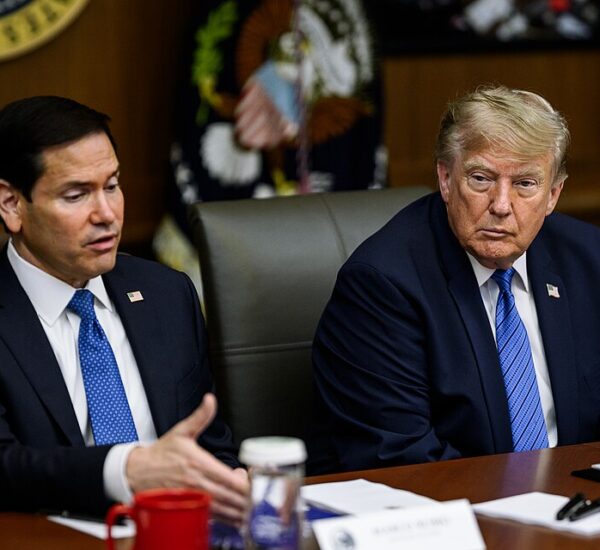
President Donald Trump forcefully dismissed speculation Friday that he is considering declaring a national emergency tied to the upcoming midterm elections — calling the claim baseless.
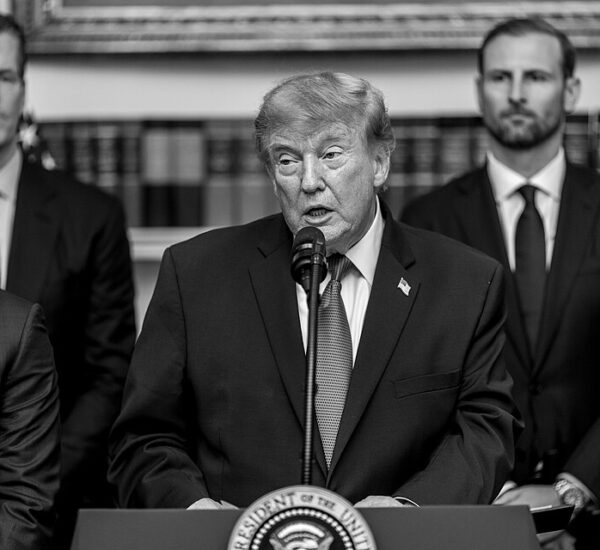
When reporters asked whether he was weighing emergency powers related to election security, the president responded directly:
“Who told you that?”
Pressed again, Trump was clear.
“No. I’ve never heard about it.”
The exchange quickly put to rest growing media speculation that extraordinary federal action was under review.
Media Report Sparks Controversy
The rumor originated from a report by The Washington Post, which claimed pro-Trump activists were circulating a draft executive order that would expand presidential authority over federal elections.
According to the report, the draft referenced concerns about foreign interference in past elections — specifically allegations involving China — as potential grounds for emergency action.
A Florida attorney quoted in the article suggested there had been “certain coordination” with White House officials. However, the administration declined to comment on internal discussions.
President Trump’s public response, however, leaves little room for interpretation: he says no such emergency declaration is being considered.
Trump Refocuses on Election Integrity and Voter ID
While dismissing the emergency narrative, President Trump continues to emphasize what he calls the urgent need for stronger election safeguards ahead of the midterms.
Election integrity has remained one of his core priorities since 2020. The president has repeatedly argued that restoring voter confidence is essential to protecting American democracy.
At the center of that effort is the House-passed Safeguard American Voter Eligibility (SAVE) Act — legislation that would:
- Require proof of U.S. citizenship to register to vote
- Mandate voter identification to cast a ballot
- Strengthen enforcement of federal election standards
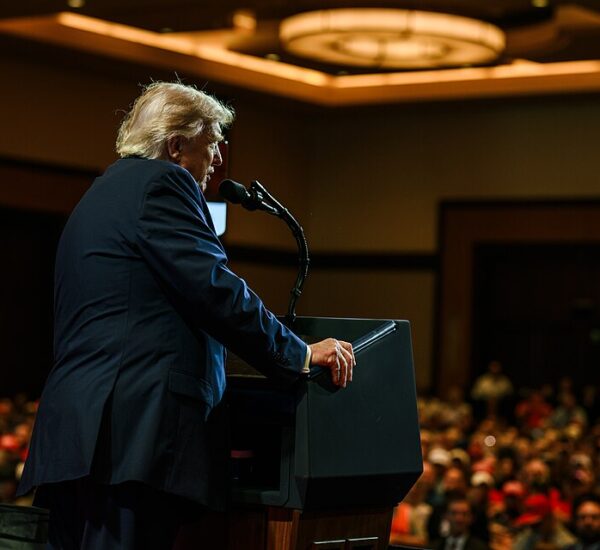
During this week’s State of the Union address, Trump made the issue a top priority.
“Congress should unite and pass this common-sense, country-saving legislation immediately — before anything else,” he said.
For many Americans over 50, voter ID requirements are viewed as standard practice and a logical step toward securing elections.
Executive Action Still on the Table
Although Trump rejected talk of a national emergency, he has indicated he is willing to use executive authority if Congress fails to act on voter ID legislation.
Earlier this month, he posted on Truth Social:
“There will be voter ID requirements in place for the midterm elections — with or without congressional approval.”
Last March, the president signed a sweeping executive order directing states to require proof of citizenship and instructing the attorney general to challenge states that count mail-in ballots received after Election Day.
That order is currently facing legal challenges in multiple courts.
Why This Matters for the Midterm Elections
With high-stakes midterm elections approaching, election security and voter ID laws are shaping up to be defining issues nationwide.
Supporters argue that requiring proof of citizenship and photo identification protects against fraud and strengthens confidence in the democratic process. Critics argue the measures could create barriers for some voters.
What is certain is this: President Trump is keeping election integrity at the center of the national conversation — while firmly denying any plans to invoke emergency powers.
As the debate continues, Congress now faces mounting pressure to decide whether federal voter ID requirements will become law before Americans head to the polls.