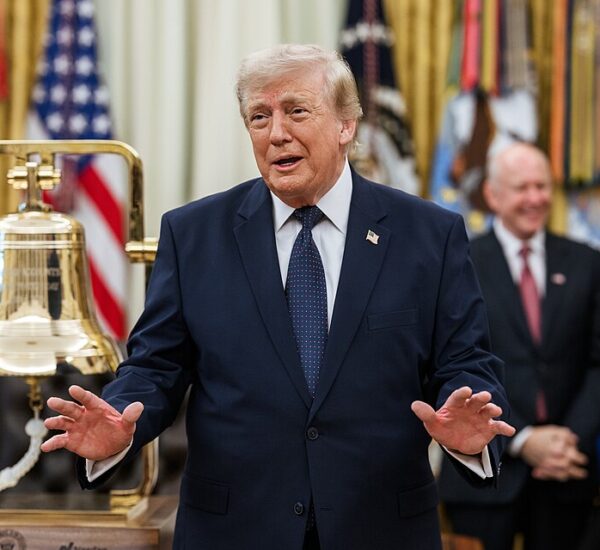
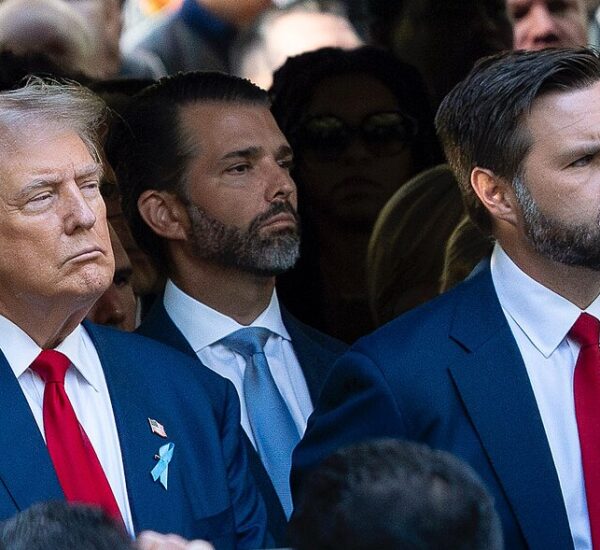
Trump’s GOP Faces Huge Divide
With the 2026 midterm elections approaching, Republicans in Congress are facing a serious internal debate: Should they attempt another major budget reconciliation bill — or consolidate their victories under President Trump’s leadership?
After passing the landmark One Big Beautiful Bill Act, many conservatives believed the GOP would quickly move toward a second round of reforms focused on tax relief, health care reform, and deficit reduction.
Now, that path looks far less certain.
And with the federal debt nearing $39 trillion, the stakes could not be higher for taxpayers — especially older Americans watching inflation, Social Security stability, and Medicare funding closely.
Why Another Budget Reconciliation Bill Is in Doubt
Budget reconciliation is a powerful legislative tool. It allows Republicans to pass major fiscal legislation with a simple majority in the Senate, bypassing a Democratic filibuster.
But here’s the problem:
Republicans hold 53 Senate seats, meaning they can afford to lose only three votes. In the House, the majority stands at a razor-thin 218–214.
That margin leaves almost no room for disagreement.
And disagreement is exactly what the GOP is dealing with.
Trump Signals Caution as Midterms Approach
President Trump has suggested that Republicans may have already achieved the key legislative victories they needed through the One Big Beautiful Bill Act.
Behind the scenes, some GOP senators acknowledge there is no clear consensus on what a second reconciliation package would include — or whether it could even pass.
With swing-state Republicans preparing for tough reelection battles, many are wary of controversial votes that could fuel Democratic attack ads.
At a time when voters are deeply concerned about inflation, debt, and government spending, even Republican lawmakers are weighing political risk carefully.
Health Care Reform: Conservative Vision vs. Electoral Reality
One major fault line inside the GOP centers on health care reform.
Rick Scott Pushes Consumer-Controlled Health Care
Rick Scott is calling for a bold restructuring of health insurance subsidies. His proposal would redirect Affordable Care Act premium subsidies into expanded health savings accounts, putting more decision-making power directly into the hands of patients.
Scott argues that consumer-driven markets — not government mandates — are the key to lowering health care costs long-term.
For older Americans facing rising premiums and prescription costs, the issue resonates deeply.
Scott has also warned that Republicans cannot afford to campaign in November without fresh accomplishments.
Susan Collins Focuses on Stability
Meanwhile, Susan Collins is emphasizing caution. Representing a politically divided state that previously supported Kamala Harris, Collins has expressed concern about Americans losing enhanced health insurance subsidies.
While she supports broader reforms, she is prioritizing annual spending bills and government funding measures rather than another sweeping reconciliation fight.
This divide highlights the larger tension inside the party: bold reform versus electoral protection.
Tax Relief and Social Security Take Center Stage
Another major proposal comes from Bernie Moreno, who supports extending and expanding tax relief for working-class Americans.
Among the ideas being discussed:
- Making “no tax on tips” permanent
- Eliminating taxes on overtime pay
- Reducing or eliminating taxes on Social Security benefits for middle-income retirees
For Americans over 50, these proposals are not abstract policy debates — they directly impact retirement security and household budgets.
Moreno has floated the idea of offsetting these tax cuts through higher tariff revenues.
However, Mike Johnson has signaled that building consensus in the House for tariff-related legislation could prove difficult.
Senate Leadership Weighs the Risks
John Thune is reportedly cautious about launching a reconciliation process that could collapse publicly if the votes are not there.
John Hoeven summed up the reality: Republicans must secure at least 50 votes — and they cannot afford internal fractures.
No leadership team wants to begin a high-profile legislative battle only to see it fail on the Senate floor.
The Bigger Picture: Debt, Inflation, and Voter Trust
For many voters — particularly those nearing or in retirement — the debate is about more than partisan politics.
It’s about:
- Federal debt sustainability
- Inflation pressures
- Social Security stability
- Health care affordability
- Tax fairness
Republicans now face a strategic crossroads.
Do they attempt another sweeping reconciliation package to further cement President Trump’s economic agenda?
Or do they focus on defending fragile majorities and preserving political capital heading into the midterms?
What Happens Next?
At this point, no final decision has been made. Discussions continue behind closed doors.
But one thing is clear: Without near-unanimous Republican support, another reconciliation package will be extremely difficult to pass.
With narrow margins, a $39 trillion national debt, and a high-stakes election cycle ahead, GOP leaders must decide whether bold reform — or strategic restraint — best serves both the country and their voters.
And for millions of Americans watching their retirement savings, tax bills, and health care costs, the outcome could carry lasting consequences.