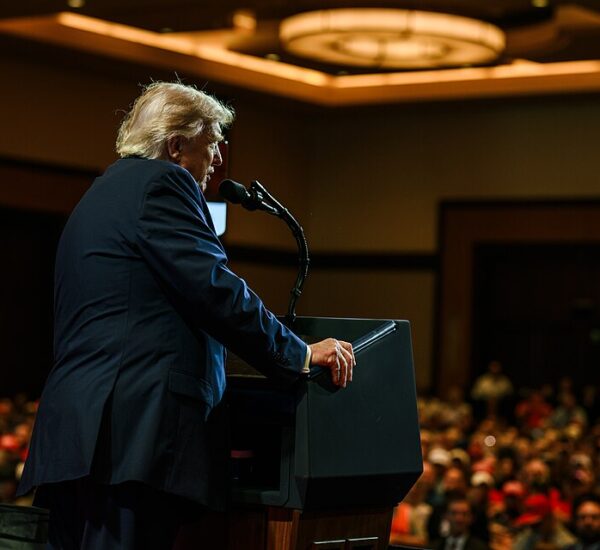
Trump wants action now.
President Donald Trump is taking aim at corporate leadership after controversial remarks by former Obama administration official Susan Rice sparked backlash among conservatives.
The issue centers on Rice’s role as a board member at Netflix and comments she made during an appearance on the Stay Tuned with Preet podcast, hosted by former U.S. Attorney Preet Bharara.
Now, President Trump is calling on Netflix to remove Rice from its board — warning the company that failing to act could bring consequences.
What Did Susan Rice Say?
During the podcast interview, Susan Rice criticized corporations that have scaled back diversity, governance, and social policy initiatives amid pressure from Republican lawmakers and voters.
Rice suggested that companies adjusting their policies in response to conservative criticism should not expect forgiveness if Democrats regain control in Washington.
According to Rice, businesses that rolled back certain policies could face what she described as an “accountability agenda” in the future.
She indicated that political shifts in upcoming elections — including the midterm elections — could change how corporations are treated by federal leadership.
Rice also referenced public polling on President Trump’s economic and immigration policies as part of her broader political analysis.
Trump Responds: Corporate Accountability Cuts Both Ways
President Trump quickly responded, urging Netflix to remove Rice from its board of directors.
Trump’s message reflects a broader theme in his administration: corporations should prioritize American workers, national interests, and economic growth — not partisan political pressure.
While no specific actions have been outlined, Trump’s remarks signal that corporate boards are not immune from public scrutiny when political commentary enters the boardroom.
For many Americans over 50, this controversy highlights a larger concern: the growing political influence of major corporations.
Corporate America and Political Power
Over the past decade, large corporations have increasingly taken public stances on social and political issues. Critics argue that companies should focus on business performance, shareholder value, and customer service — not political activism.
Supporters of corporate engagement say businesses have a responsibility to speak out on national issues.
The debate raises important questions:
- Should corporate board members make overt political statements?
- Should companies face political consequences for leadership views?
- Where is the line between corporate governance and partisan advocacy?
As the 2026 political cycle approaches, tensions between business leaders and elected officials may intensify.
What This Means Moving Forward
At this time, Netflix has not publicly responded to President Trump’s call to remove Susan Rice.
However, the situation underscores a broader national debate about corporate influence, political accountability, and the relationship between business and government.
For voters focused on economic stability, border security, and national strength, this story reflects ongoing concerns about who truly shapes American policy — elected leaders or corporate elites.
With midterm elections on the horizon, issues like corporate governance, immigration reform, and economic growth are expected to remain central topics in political discourse.
One thing is certain: the intersection of politics and corporate America is becoming more visible — and more consequential — with every passing election cycle.