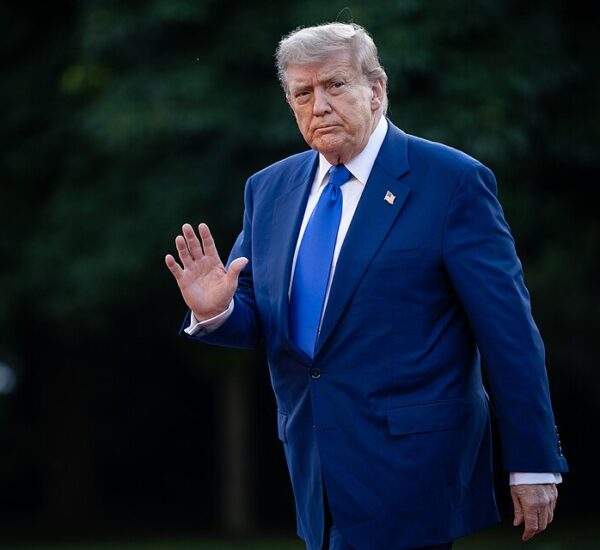
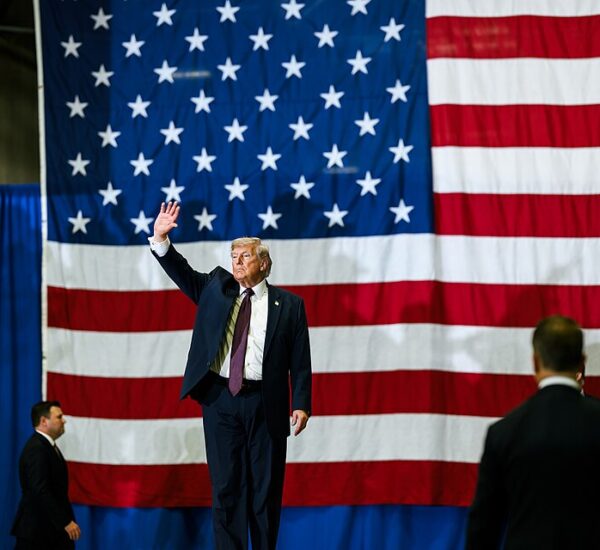
Trump isn’t letting AOC off the hook for this major gaffe.
President Donald Trump is not backing down after criticizing Rep. Alexandria Ocasio-Cortez over her recent appearance at the Munich Security Conference — and the exchange is quickly becoming part of a larger political conversation about leadership, national security, and the road to 2028.
During remarks aboard Air Force One en route to Georgia, Trump sharply questioned Ocasio-Cortez’s performance at the international summit, particularly her response to a high-stakes question about U.S. policy toward Taiwan.
The Taiwan Question That Sparked Controversy
During the Munich Security Conference — an event that brings together world leaders and top defense policymakers — Ocasio-Cortez was questioned about whether the United States would deploy military forces to protect Taiwan in the event of Chinese aggression.
Rather than offering a direct yes-or-no position, she emphasized America’s longstanding policy and expressed hope that such a confrontation could be avoided through diplomacy and economic positioning.
Critics, including Vice President JD Vance, described the response as unclear and lacking confidence. Supporters argued she was attempting to avoid escalating rhetoric on a sensitive global issue.
But for many older voters who prioritize national security clarity, the moment raised concerns about how rising political figures handle pressure on the world stage.
Trump Signals 2028 Contrast Early
President Trump suggested the exchange could have long-term political consequences, especially if Ocasio-Cortez becomes a serious contender in the 2028 presidential race.
Although she has downplayed speculation about a White House bid, her growing national visibility — particularly in foreign policy discussions — continues to fuel conversation about her future ambitions.
Trump’s criticism appears strategic: drawing a sharp contrast between what he portrays as strength and decisiveness versus what he views as inexperience in complex global matters.
For many conservative voters over 50, foreign policy leadership remains a defining issue — especially with ongoing tensions involving China, Taiwan, and global stability.
White House Emphasizes “America First” Focus
The White House reinforced Trump’s remarks, arguing that American lawmakers should prioritize domestic concerns and national interests.
Administration officials also pointed to ongoing federal budget debates and government funding disputes, suggesting elected officials should remain focused on economic and security matters at home.
The broader message: leadership requires clarity, discipline, and a firm understanding of America’s strategic position in the world.
The Affordability Debate Heats Up Again
Later in Georgia, Trump shifted the conversation to the economy — specifically the Democratic Party’s messaging around “affordability.”
Progressive leaders have campaigned on reducing living costs and increasing taxes on higher earners. However, Trump argues that inflation during the Biden years stemmed from excessive spending policies.
He highlighted stock market gains and strong retirement account performance as evidence that economic conditions have improved. For Americans nearing or in retirement, 401(k) performance and stable markets remain top priorities.
Trump claimed that concerns about affordability have diminished in recent weeks, attributing that shift to economic improvements under his leadership.
Why This Moment Matters
This episode is about more than one conference answer.
It reflects the early positioning for 2028:
- Experience vs. emerging leadership
- Directness vs. careful diplomacy
- Economic stability vs. progressive reform
For conservative voters age 50 and older — many focused on retirement security, global stability, and inflation — these differences carry real weight.
Whether or not Ocasio-Cortez runs for president, President Trump is already defining the contrast.
And if this week is any indication, he has no intention of letting the moment fade quietly.