US Economy Hits A Slump?
The U.S. economy expanded at a much slower pace than expected in the fourth quarter of 2025, according to new data released by the Bureau of Economic Analysis (BEA).
The report shows Gross Domestic Product (GDP) increased at an annualized rate of 1.4 percent, falling short of the 3 percent growth economists had forecast.
For many Americans — especially retirees, small business owners, and working families — the slowdown raises fresh concerns about economic stability heading into 2026.
What the Latest GDP Report Shows
GDP measures the total value of goods and services produced in the United States and is considered the broadest indicator of economic health.
Key takeaways from the fourth quarter 2025 GDP report:
- 1.4% annualized growth, below expectations
- Slower consumer and government spending
- Economic drag from the 43-day federal government shutdown
Analysts say the shutdown, which occurred during a critical period for holiday spending and year-end business activity, contributed meaningfully to the weaker-than-expected numbers.
Inflation Remains Stubborn
While economic growth slowed, inflation remained slightly elevated.
The Personal Consumption Expenditures (PCE) Price Index, the Federal Reserve’s preferred inflation measure, rose:
- 2.9% year-over-year
- 0.4% in January alone
Those figures came in slightly above expectations.
For Americans on fixed incomes or retirement savings, even modest price increases can strain household budgets — particularly in areas like healthcare, groceries, utilities, and insurance.
Government Shutdown Impact on the Economy
The 43-day government shutdown during the fourth quarter furloughed thousands of federal employees and temporarily halted various government operations.
Economic experts note that shutdowns can:
- Reduce consumer confidence
- Disrupt federal contracts
- Delay infrastructure and defense payments
- Slow regional economies reliant on government employment
While many economists believe the economy may rebound in early 2026, prolonged shutdowns can leave lasting short-term damage.
President Trump Responds
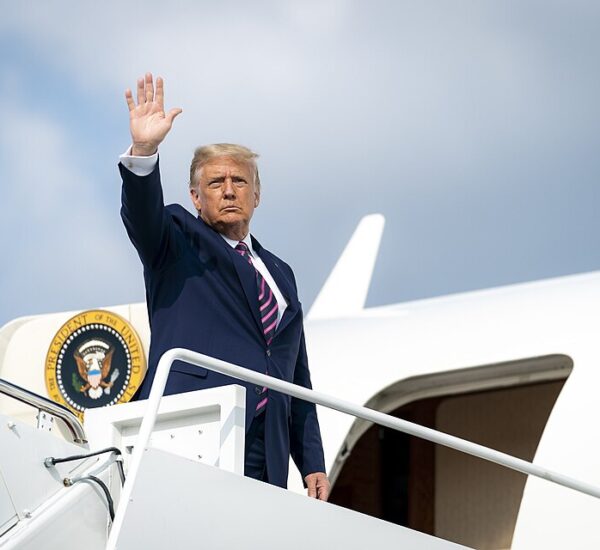
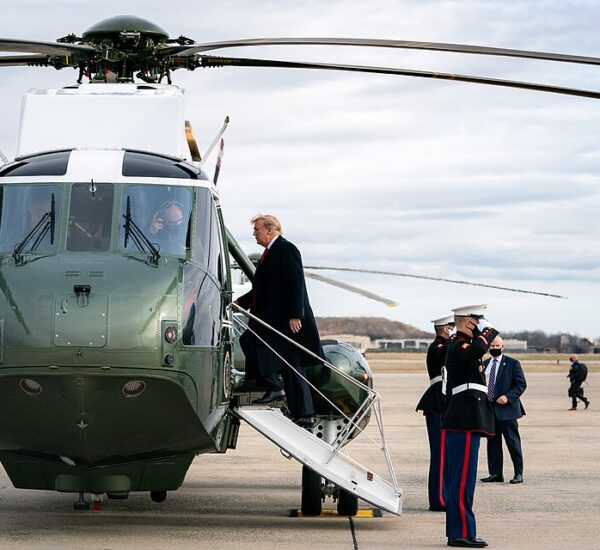
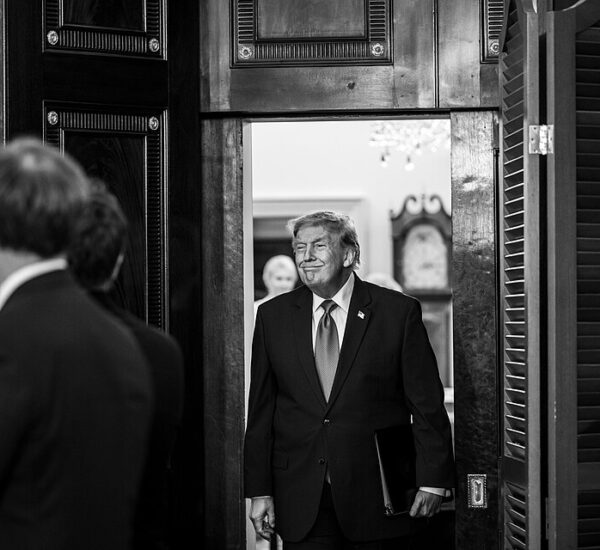
Before the official GDP release, President Donald Trump addressed the shutdown’s impact on economic growth in a Truth Social post.
The president argued that the shutdown significantly reduced GDP growth and renewed his call for lower interest rates, while criticizing Federal Reserve Chairman Jerome Powell.
Interest rate policy remains one of the most closely watched economic issues in 2026, particularly as borrowing costs affect mortgages, credit cards, and small business lending.
Federal Reserve Policy and Interest Rate Debate
The Federal Reserve has maintained higher interest rates in an effort to control inflation. However, some policymakers argue that rate cuts could stimulate stronger growth.
The balance between inflation control and economic expansion remains delicate — and central bank decisions in the coming months could shape the broader economic outlook.
Why This Matters for Americans Over 50
Many Americans over 50 prioritize:
- Stable markets
- Predictable economic policy
- Controlled inflation
- Protecting retirement savings
Slower GDP growth combined with persistent inflation creates uncertainty — especially for those nearing or living in retirement.
Outlook for 2026
Economic analysts are watching several key factors:
- Consumer spending trends
- Federal Reserve rate decisions
- Ongoing budget negotiations in Washington
- Labor market strength
If government stability improves and inflation moderates, economists expect growth to strengthen in early 2026. However, continued fiscal disruptions could weigh on performance.
Bottom Line
The U.S. economy did grow in late 2025 — but far slower than anticipated.
With inflation still elevated and political gridlock affecting fiscal policy, economic leadership in Washington and monetary policy decisions at the Federal Reserve will remain front and center in 2026.
For investors, retirees, and working Americans alike, the months ahead will be critical.