Democrats And Republicans Strike A Deal
A legal fight over voter registration in North Carolina has ended in a high-profile settlement — but the national debate over election integrity is heating up.
More than 73,000 North Carolina voters with incomplete registration records will remain on the state’s voter rolls under a new agreement between the Republican National Committee and the Democratic National Committee. The deal now awaits approval from a federal judge.
For millions of Americans — especially older voters who value secure and transparent elections — the question is simple:
Are voter registration laws being properly enforced?
How 225,000 Questionable Registrations Sparked the Lawsuit
The dispute began in September 2024 when the RNC and North Carolina Republicans filed a lawsuit challenging the state’s voter roll maintenance practices.
They argued that roughly 225,000 voter registrations over the past decade were incomplete, missing either a driver’s license number or the last four digits of a Social Security number — information required under state and federal law.
Republicans claimed the State Board of Elections updated its forms before the November 2024 election but failed to go back and correct older registrations.
At one point, the lawsuit sought to remove nearly 60,000 ballots.
Supporters of the lawsuit said the issue was not about removing legal voters — but about enforcing voter registration laws consistently.
The “Registration Repair Project”
As the legal battle moved through the courts, North Carolina’s election officials launched what they called a “Registration Repair Project” in July 2025.
The effort aimed to collect missing identification information from about 103,000 voters.
According to state officials:
- Over 20,000 voter records were internally corrected
- Roughly 82,000 letters were mailed requesting updated ID numbers
- By December, the number of incomplete records dropped to just over 73,000
Under the proposed settlement, those voters may still vote — but if they do not provide proper identification before or on Election Day, they must cast provisional ballots.
RNC: A Win for Election Integrity
RNC Chair Joe Gruters called the agreement a significant step forward for election safeguards.
The Republican National Committee agreed to drop its lawsuit in exchange for continued efforts to obtain the missing voter information.
Gruters said the case highlights the importance of clear voter registration requirements and consistent enforcement — a position that resonates strongly with voters concerned about transparency and accountability.
DNC Frames It as a Voting Rights Victory
The Democratic National Committee described the settlement as a victory for North Carolina voters.
Democratic leaders argued that efforts to remove registrations amounted to attacks on voting access and said they would continue defending what they call voting rights.
The political divide over voter ID laws and election integrity remains sharp.
The Bigger Picture: The SAVE America Act
This state-level fight comes as Congress debates national voter ID reforms.
The SAVE America Act would:
- Require photo identification to vote in federal elections
- Mandate proof of U.S. citizenship to register
- Require states to remove noncitizens from voter rolls
The bill recently passed the House but faces resistance in the Senate.
Supporters argue it strengthens election security and restores public trust. Opponents claim it creates unnecessary hurdles.
President Trump’s Push for National Election Standards
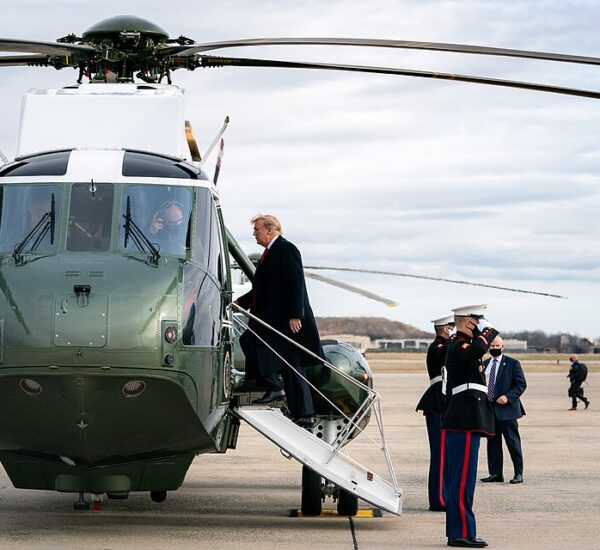
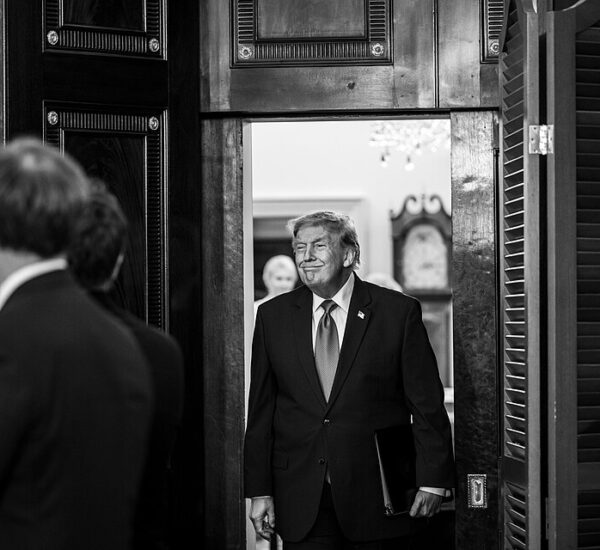
Donald Trump has repeatedly called for stronger federal election standards, including clearer voter identification rules.
He has urged lawmakers to “nationalize” certain election safeguards, arguing that uniform standards would eliminate confusion between states and increase public confidence.
For many conservative voters — especially Americans over 50 who have voted in elections for decades — consistency and accountability are top concerns.
Why This Matters Now
Elections are not just political events — they are foundational to trust in government.
This North Carolina settlement reflects a broader national tension:
- Ensuring every legal vote counts
- Making sure voter registration laws are followed
- Preventing administrative errors from undermining confidence
With 2026 midterms approaching and federal voter ID legislation under debate, expect election integrity to remain a defining issue.
Final Takeaway
The settlement keeps 73,000 voters on the rolls — for now.
But the larger fight over voter ID, voter roll maintenance, and federal election reform is far from settled.
And for many Americans, especially longtime voters who remember simpler, paper-ballot days, the question remains:
Are our election laws being applied fairly and consistently?